Fig. 1
Gastric sleeve
Home the same day, for most
Home the same day, for most
Reflux or type 2 diabetes
Higher BMI or type 2 diabetes
No incisions
TORe price; other revisions are priced after a review
After an earlier procedure
360 Complete Care
Six years of aftercare come with every sleeve.
Eating after surgery
Your 6-year plan
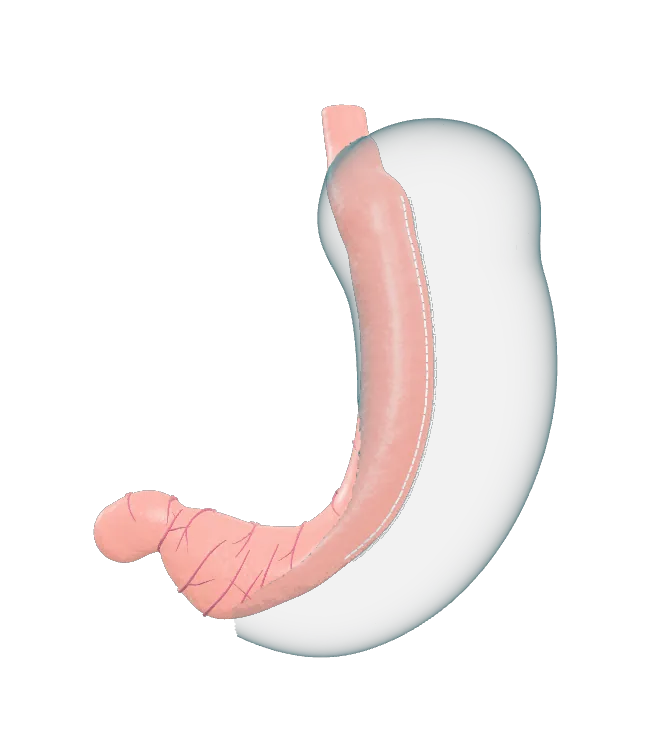 The 3D procedure labFive procedures, step by step. Turn the model, switch on x-ray and follow the path food takes.Open the 3D lab
Tools and guides
Six short videos, about 11 minutes in all: a walk through the clinic, the sleeve step by step and answers to common questions.
Watch the videos Clinic 360 on YouTubeFrom the blog
Surgeons
 Dr. Kashif IrshadBariatric surgeon
 Dr. Ali HazratiBariatric surgeon
 Dr. Gary GammeBariatric and endoscopic surgeon
 Dr. Adam SchofieldUpper GI and bariatric surgeon
Care team
 Yolanda AlbinoSurgical Care Nurse
 Natalie BeanClinical Nutrition Specialist
 Sharmaine LopezPatient Care Coordinator
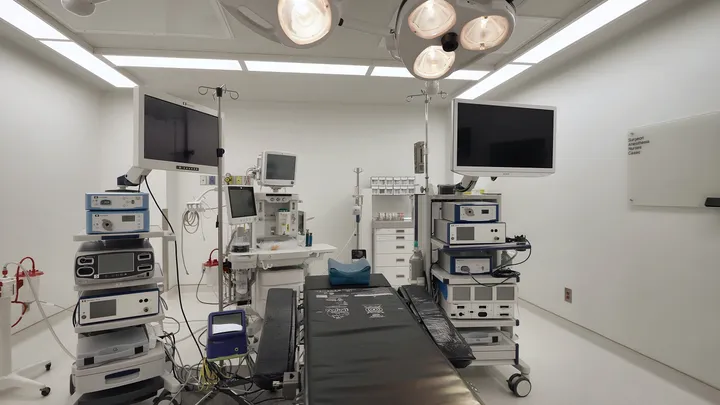 Our surgical facilityTwo operating rooms, 10 recovery beds, 1131A Leslie St #300, Toronto, ON M3C 3L8Take the virtual tour
Why drinking enough takes planning after a sleeve, how much to aim for, practical ways to sip all day, and the signs of dehydration that mean you should call your team.
Published April 25, 2026

In short
Before surgery, you may never have thought about how much you drink. After a gastric sleeve, it becomes a daily task. Dehydration is a common reason for extra care after weight-loss surgery, and a simple plan helps you stay ahead of it.
The 2019 nutrition guidelines for bariatric surgery from several North American medical societies advise keeping up good hydration after a sleeve, usually more than 1.5 litres a day. At 360 Sleeve, most people aim for about 8 cups (2 litres) a day. Your care team may set a different amount for you, based on your health.
Water is the main drink. Milk, broth and protein shakes count too.
Good choices include water, low-sodium broth, decaf coffee, herbal tea, milk and sugar-free drinks without bubbles.
Guidelines suggest drinks that are low in calories and sugar, without caffeine, bubbles or alcohol. Canadian guidelines explain that carbonated and caffeinated drinks can raise the risk of ulcers after bariatric surgery. Ask your team before you add caffeine or alcohol back.
Dehydration means your body has lost too much fluid. Watch for:
In a large US registry study of more than 250,000 people who had a sleeve or a gastric bypass, about 4 in 100 needed treatment for dehydration within a month of surgery. Those who did were much more likely to visit an emergency department or go back to hospital. Steady sipping is one of the simplest ways to protect your recovery.
Call your care team if you cannot keep fluids down, if you keep vomiting, or if you pass very little urine.
Get medical help right away, or call 911, if you feel confused or faint, have a racing heartbeat or fast breathing, or have not passed any urine. What applies to you is decided with your care team.
General information, not medical advice. Results and recovery differ from person to person; a surgeon assesses what applies to you at your consultation.
Ask our team at a free consultation, in person in North York or online.
A free consultation, in person in North York or online. Meet the team, ask anything and leave with a clear plan and price.
(416) 360-7360 sleeve@clinic360.com 1131A Leslie St #300, Toronto, ON M3C 3L8
Hi, I am the 360 Sleeve assistant. I answer from the clinic's own information: procedures, prices, financing, recovery, aftercare and visits. What would you like to know?
Automated answers, not medical advice.
1131A Leslie St #300, Toronto, ON M3C 3L8. Monday to Friday, 9 am to 5 pm.
A patient care coordinator will call you to confirm. If it is urgent, call (416) 360-7360.
1131A Leslie St #300, Toronto, ON M3C 3L8. Monday to Friday, 9 am to 5 pm.