Fig. 1
Gastric sleeve
Home the same day, for most
Home the same day, for most
Reflux or type 2 diabetes
Higher BMI or type 2 diabetes
No incisions
TORe price; other revisions are priced after a review
After an earlier procedure
360 Complete Care
Six years of aftercare come with every sleeve.
Eating after surgery
Your 6-year plan
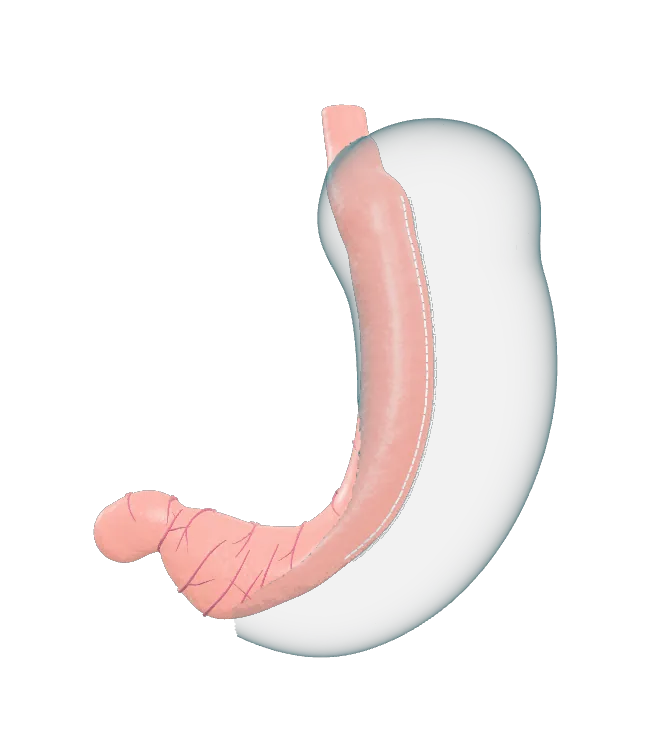 The 3D procedure labFive procedures, step by step. Turn the model, switch on x-ray and follow the path food takes.Open the 3D lab
Tools and guides
Six short videos, about 11 minutes in all: a walk through the clinic, the sleeve step by step and answers to common questions.
Watch the videos Clinic 360 on YouTubeFrom the blog
Surgeons
 Dr. Kashif IrshadBariatric surgeon
 Dr. Ali HazratiBariatric surgeon
 Dr. Gary GammeBariatric and endoscopic surgeon
 Dr. Adam SchofieldUpper GI and bariatric surgeon
Care team
 Yolanda AlbinoSurgical Care Nurse
 Natalie BeanClinical Nutrition Specialist
 Sharmaine LopezPatient Care Coordinator
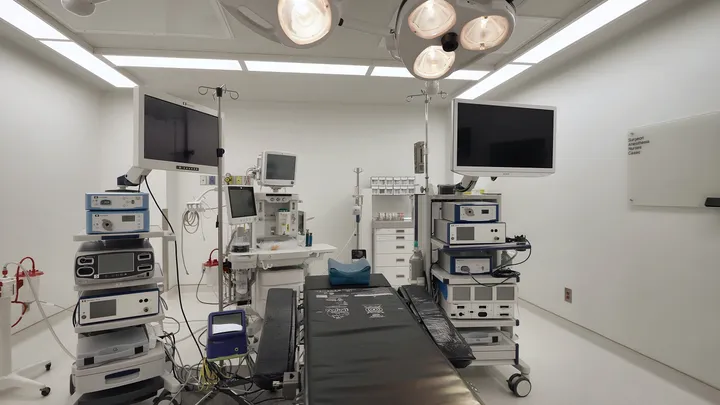 Our surgical facilityTwo operating rooms, 10 recovery beds, 1131A Leslie St #300, Toronto, ON M3C 3L8Take the virtual tour
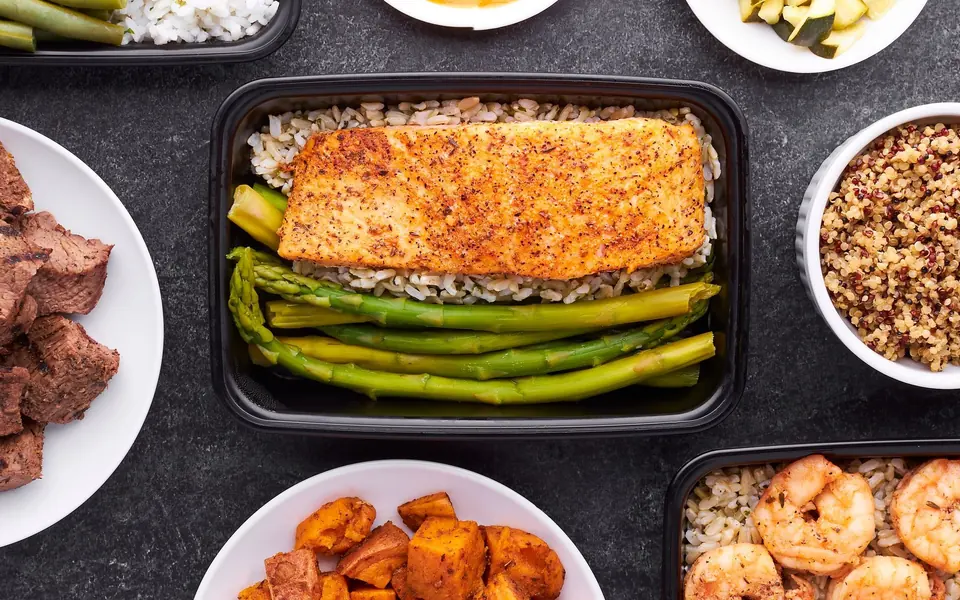
A little planning makes small, protein-first meals easier on busy days. How to plan your week, cook in batches, portion small, store food safely and keep meals interesting.
Published October 21, 2026
In short
After a sleeve, you eat small amounts several times a day, and each meal needs to bring protein. That is hard to manage on the spot, at the end of a long day, in front of an empty fridge. Meal prep simply means deciding and cooking ahead, so the easy choice is also the one that fits your plan. It does not take fancy recipes or a whole day in the kitchen.
Canadian guidelines suggest a structured way of eating after bariatric surgery: small portions, three to five balanced meals and healthy snacks a day, food chewed slowly, and at least 60 g of protein a day after a sleeve, the same minimum that American guidelines use. Your dietitian may set a different target for you.
Without a plan, it is easy to skip a meal, to graze, or to grab whatever is quick, and quick food is often low in protein. A plan makes those decisions for you, in advance.
Cook once, eat several times. A tray of baked chicken or fish, a pot of lentil soup or chili, a batch of baked egg cups or a slow-cooked stew can become many small meals.
Prepped food only helps if it is safe to eat. Health Canada's tips for leftovers:
Because your portions are small, a big batch can last longer than its safe time in the fridge. Freeze part of it on the day you cook.
Eating the same meal every day gets old fast, and boredom is often when old habits creep back. Use one protein in different ways: chicken with herbs one day, in a soup the next, shredded into soft vegetables later in the week. Change the spices and sauces rather than the whole plan. Taste can change after surgery, so if a food does not appeal now, try it again in a few weeks.
Ask your dietitian if you often miss your protein target, if many foods do not sit well, or if planning meals is hard to fit into your life. Your dietitian can help you build a simple plan around your schedule, your family, your food traditions and your budget, as part of six years of 360 Complete Care.
General information, not medical advice. Results and recovery differ from person to person; a surgeon assesses what applies to you at your consultation.
Ask our team at a free consultation, in person in North York or online.
A free consultation, in person in North York or online. Meet the team, ask anything and leave with a clear plan and price.
(416) 360-7360 sleeve@clinic360.com 1131A Leslie St #300, Toronto, ON M3C 3L8
Hi, I am the 360 Sleeve assistant. I answer from the clinic's own information: procedures, prices, financing, recovery, aftercare and visits. What would you like to know?
Automated answers, not medical advice.
1131A Leslie St #300, Toronto, ON M3C 3L8. Monday to Friday, 9 am to 5 pm.
A patient care coordinator will call you to confirm. If it is urgent, call (416) 360-7360.
1131A Leslie St #300, Toronto, ON M3C 3L8. Monday to Friday, 9 am to 5 pm.

