Fig. 1
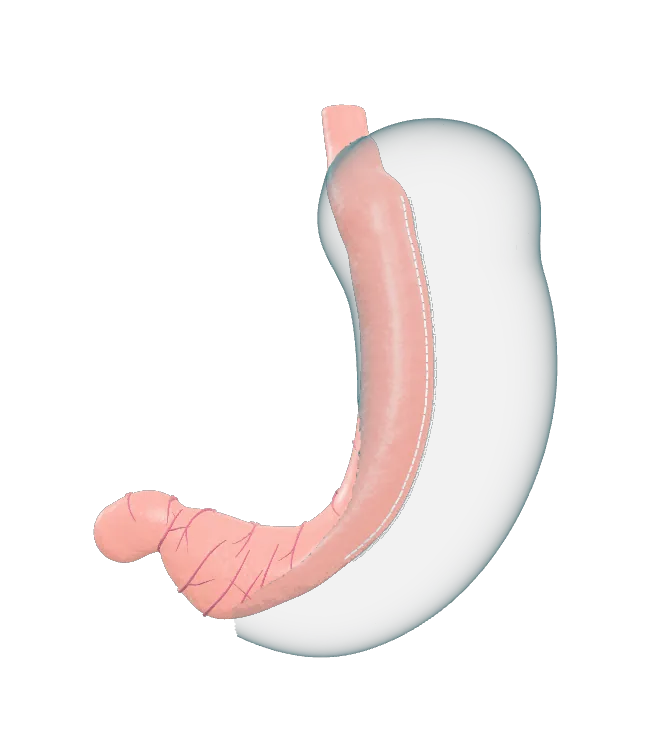
Gastric sleeve
Home the same day, for most
Home the same day, for most
Reflux or type 2 diabetes
Higher BMI or type 2 diabetes
No incisions
TORe price; other revisions are priced after a review
After an earlier procedure
360 Complete Care
Six years of aftercare come with every sleeve.
Eating after surgery
Your 6-year plan
 The 3D procedure labFive procedures, step by step. Turn the model, switch on x-ray and follow the path food takes.Open the 3D lab
Tools and guides
Six short videos, about 11 minutes in all: a walk through the clinic, the sleeve step by step and answers to common questions.
Watch the videos Clinic 360 on YouTubePatient journey New
From the blog
Surgeons
 Dr. Kashif IrshadBariatric surgeon
 Dr. Ali HazratiBariatric surgeon
 Dr. Gary GammeBariatric and endoscopic surgeon
 Dr. Adam SchofieldUpper GI and bariatric surgeon
Care team
 Yolanda AlbinoSurgical Care Nurse
 Natalie BeanClinical Nutrition Specialist
 Sharmaine LopezPatient Care Coordinator
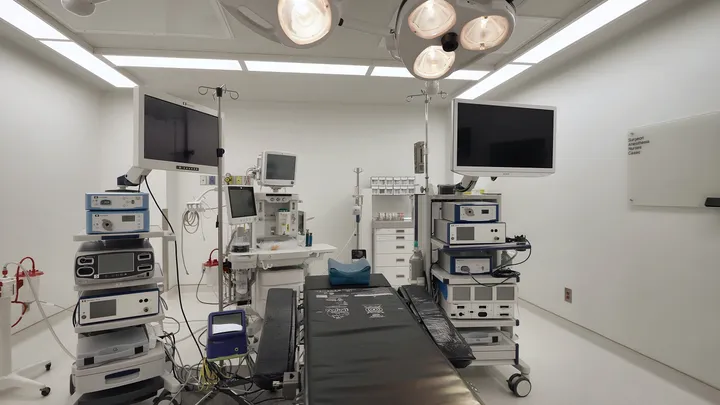 Our surgical facilityTwo operating rooms, 10 recovery beds, 1131A Leslie St #300, Toronto, ON M3C 3L8Take the virtual tour
How a gastric bypass and a gastric sleeve work, what long-term trials found about weight loss, reflux and side effects, and how a surgeon helps you choose.
Published October 17, 2026

In short
Gastric sleeve and gastric bypass are the two most common weight-loss operations in North America. Both are done through small incisions, both make the stomach smaller, and both change the gut hormones that control hunger and fullness. Most people feel full sooner and less hungry between meals after either one.
The main difference is what happens to the stomach and the intestine.
In a sleeve gastrectomy, the surgeon removes about 80% of the stomach and leaves a narrow tube about the shape of a banana. Food still follows its usual path through the stomach and the intestine.
The smaller stomach holds less. The part that is removed makes most of the hunger hormone ghrelin, which is one reason appetite drops.
In a Roux-en-Y gastric bypass, the surgeon makes a small pouch at the top of the stomach, about the size of an egg, and joins it to a lower part of the small intestine. Food skips most of the stomach and the first part of the intestine. The rest of the stomach stays in place but no longer holds food.
Two randomized trials, in Finland and in Switzerland, compared the two operations directly. A large US study followed tens of thousands of people.
In both trials, many people had better blood sugar, blood pressure and sleep apnea after either operation. In SLEEVEPASS, high blood pressure went into remission more often after a bypass.
Every operation has risks, and your surgeon goes through the ones that apply to you. In general:
There is no single best operation for everyone. Canadian guidelines recommend choosing the procedure together with an experienced team, based on your health, your goals and how you feel about the side effects. Things that often shape the choice:
At 360 Sleeve, our surgeons perform the gastric sleeve, the Roux-en-Y gastric bypass and SADI-S, a sleeve combined with a single intestinal bypass, which is often discussed for people with a higher BMI or type 2 diabetes. For people who already had a bypass, we offer TORe and other revision options. In Ontario's publicly funded program, gastric bypass is the operation done most often. About the gastric bypass at 360 Sleeve.
General information, not medical advice. Results and recovery differ from person to person; a surgeon assesses what applies to you at your consultation.
Ask our team at a free consultation, in person in North York or online.
A free consultation, in person in North York or online. Meet the team, ask anything and leave with a clear plan and price.
(416) 360-7360 sleeve@clinic360.com 1131A Leslie St #300, Toronto, ON M3C 3L8
Hi, I am the 360 Sleeve assistant. I answer from the clinic's own information: procedures, prices, financing, recovery, aftercare and visits. What would you like to know?
Automated answers, not medical advice.
1131A Leslie St #300, Toronto, ON M3C 3L8. Monday to Friday, 9 am to 5 pm.
A patient care coordinator will call you to confirm. If it is urgent, call (416) 360-7360.
1131A Leslie St #300, Toronto, ON M3C 3L8. Monday to Friday, 9 am to 5 pm.