Fig. 1
Gastric sleeve
Home the same day, for most
Home the same day, for most
Reflux or type 2 diabetes
Higher BMI or type 2 diabetes
No incisions
TORe price; other revisions are priced after a review
After an earlier procedure
360 Complete Care
Six years of aftercare come with every sleeve.
Eating after surgery
Your 6-year plan
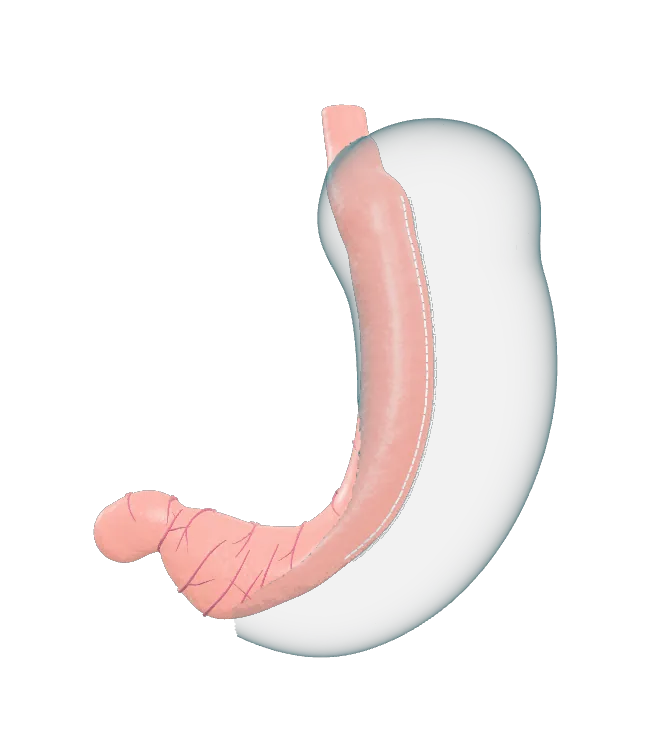 The 3D procedure labFive procedures, step by step. Turn the model, switch on x-ray and follow the path food takes.Open the 3D lab
Tools and guides
Six short videos, about 11 minutes in all: a walk through the clinic, the sleeve step by step and answers to common questions.
Watch the videos Clinic 360 on YouTubePatient journey New
From the blog
Surgeons
 Dr. Kashif IrshadBariatric surgeon
 Dr. Ali HazratiBariatric surgeon
 Dr. Gary GammeBariatric and endoscopic surgeon
 Dr. Adam SchofieldUpper GI and bariatric surgeon
Care team
 Yolanda AlbinoSurgical Care Nurse
 Natalie BeanClinical Nutrition Specialist
 Sharmaine LopezPatient Care Coordinator
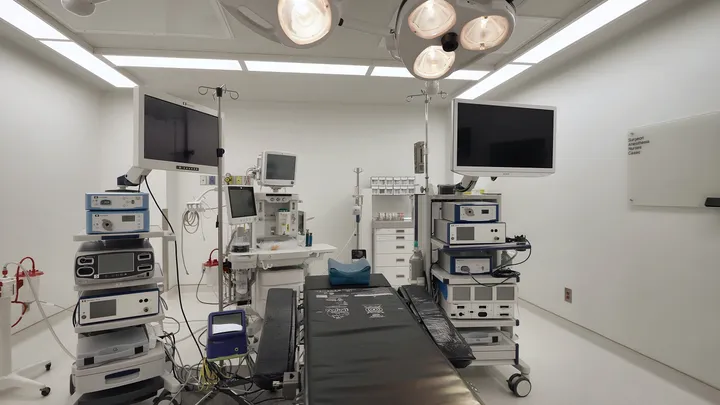 Our surgical facilityTwo operating rooms, 10 recovery beds, 1131A Leslie St #300, Toronto, ON M3C 3L8Take the virtual tour
At 63, Natalia had her gastric band removed and a gastric sleeve instead. Watch her video, then read her story.
Published November 5, 2026
The video loads from YouTube, in privacy-enhanced mode, only when you press play. Watch on YouTube (opens in a new tab)
For most of her life, Natalia, now 63, has struggled with her weight. Years ago, she had gastric band surgery and at first lost a significant amount of weight. But over time, she faced constant complications, including acid reflux, stomach cramps, limited food options, and weight regain.
After years of discomfort, Natalia chose to have her gastric band removed and undergo gastric sleeve surgery at 360 Sleeve.
Since then, Natalia has noticed:
If a gastric band is causing you problems, a conversion to a gastric sleeve is one of the options your surgeon can talk through with you. The topic is explained below.
Individual results vary. This is one patient’s experience, not a promise of yours: your surgeon talks you through what to expect at a free consultation.
The topic behind Natalia’s journey, in general terms: what usually matters, what your surgeon looks at and questions worth asking.
In short
A gastric band is a silicone ring around the top of the stomach. Problems around the time of band surgery are uncommon, but over the years many people have trouble with it:
In a long-term study from Belgium, about 60% of people needed another operation 12 or more years after their band. For these reasons, Canadian guidelines suggest that bands no longer be offered.
The surgeon removes the band and its port, frees the scar tissue around the stomach and makes a sleeve, usually through small incisions. Often this is one operation. When the stomach wall around the band is inflamed or damaged, the band may come out first and the sleeve follows a few months later. A review of studies found similar safety for both approaches when each was chosen carefully.
Removing a band on its own, without another procedure, often leads to weight coming back. Reflux matters too: a sleeve can make reflux worse for some people, so if reflux is strong, your surgeon may also discuss a gastric bypass.
Age on its own does not decide. What matters is your overall health, your heart and lungs, your medicines and how your stomach looks around the band. Your surgeon may ask for a scope or imaging before recommending a plan. A conversion is more complex than a first sleeve, so it is planned with extra care.
General information, not medical advice. Results and recovery differ from person to person; a surgeon assesses what applies to you at your consultation.
Ask our team at a free consultation, in person in North York or online.
A free consultation, in person in North York or online. Meet the team, ask anything and leave with a clear plan and price.
(416) 360-7360 sleeve@clinic360.com 1131A Leslie St #300, Toronto, ON M3C 3L8
Hi, I am the 360 Sleeve assistant. I answer from the clinic's own information: procedures, prices, financing, recovery, aftercare and visits. What would you like to know?
Automated answers, not medical advice.
1131A Leslie St #300, Toronto, ON M3C 3L8. Monday to Friday, 9 am to 5 pm.
A patient care coordinator will call you to confirm. If it is urgent, call (416) 360-7360.
1131A Leslie St #300, Toronto, ON M3C 3L8. Monday to Friday, 9 am to 5 pm.