Fig. 1
Gastric sleeve
Home the same day, for most
Home the same day, for most
Reflux or type 2 diabetes
Higher BMI or type 2 diabetes
No incisions
TORe price; other revisions are priced after a review
After an earlier procedure
360 Complete Care
Six years of aftercare come with every sleeve.
Eating after surgery
Your 6-year plan
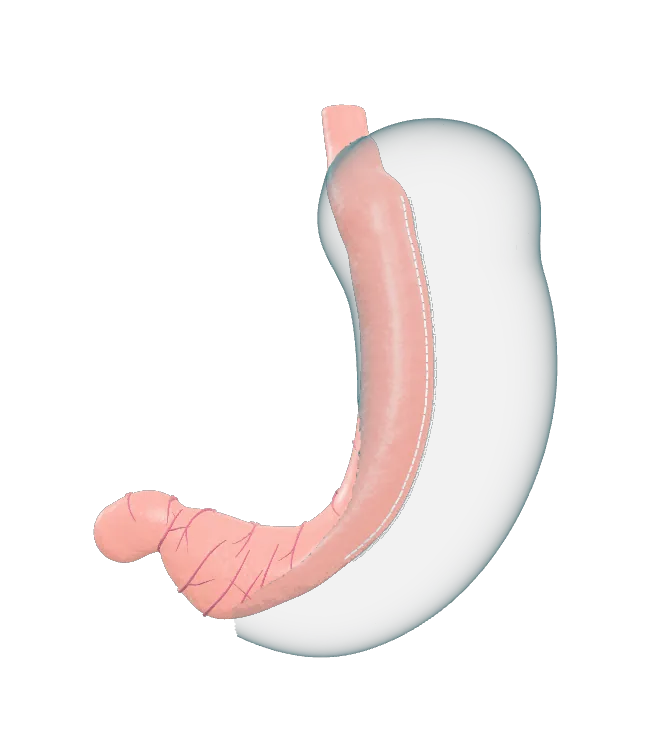 The 3D procedure labFive procedures, step by step. Turn the model, switch on x-ray and follow the path food takes.Open the 3D lab
Tools and guides
Six short videos, about 11 minutes in all: a walk through the clinic, the sleeve step by step and answers to common questions.
Watch the videos Clinic 360 on YouTubePatient journey New
From the blog
Surgeons
 Dr. Kashif IrshadBariatric surgeon
 Dr. Ali HazratiBariatric surgeon
 Dr. Gary GammeBariatric and endoscopic surgeon
 Dr. Adam SchofieldUpper GI and bariatric surgeon
Care team
 Yolanda AlbinoSurgical Care Nurse
 Natalie BeanClinical Nutrition Specialist
 Sharmaine LopezPatient Care Coordinator
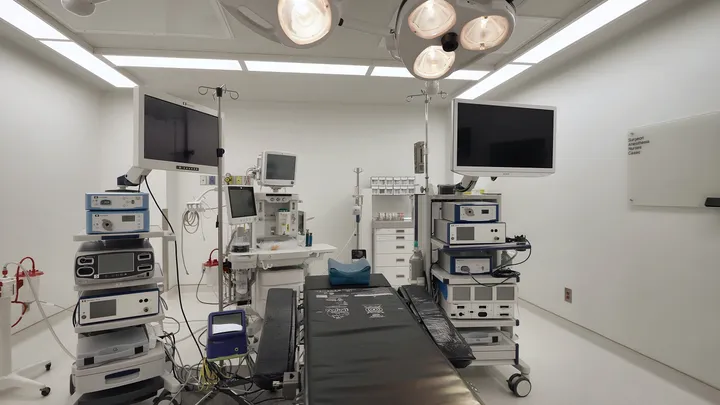 Our surgical facilityTwo operating rooms, 10 recovery beds, 1131A Leslie St #300, Toronto, ON M3C 3L8Take the virtual tour
A minimally invasive endoscopic procedure for selected people who have regained weight after a gastric bypass. Stitches placed from the inside make the stretched outlet smaller again, with no incisions.
A simplified diagram for education, not to scale.
A minimally invasive revision procedure after gastric bypass
Transoral outlet reduction is an endoscopic revision procedure for people who have had a Roux-en-Y gastric bypass.
In short
TORe narrows the stretched outlet of a gastric bypass with stitches placed through the mouth. It aims to restore the feeling of fullness and support weight management. It is not surgery on the belly, and nothing is removed.
During a gastric bypass, a small stomach pouch is joined to the small intestine through an opening called the gastrojejunal anastomosis, or gastric outlet. In some people, this opening slowly stretches over time.
When the outlet is wider, food can leave the pouch more quickly. This can reduce fullness after eating and may lead to larger portions, more hunger or weight regain.
TORe makes the enlarged outlet smaller with stitches placed from the inside. It is done through the mouth, with no incisions on the belly, and no stomach tissue is removed.
At 360 Sleeve in North York, Toronto, TORe is offered in a private clinic as part of our bariatric revision care. A consultation reviews your first procedure, your health today and whether TORe may suit you.
Scroll to follow the procedure in 3D: the bypass as it is today, the stretched outlet, the endoscope and the ring of stitches. Scroll back to see any step again.
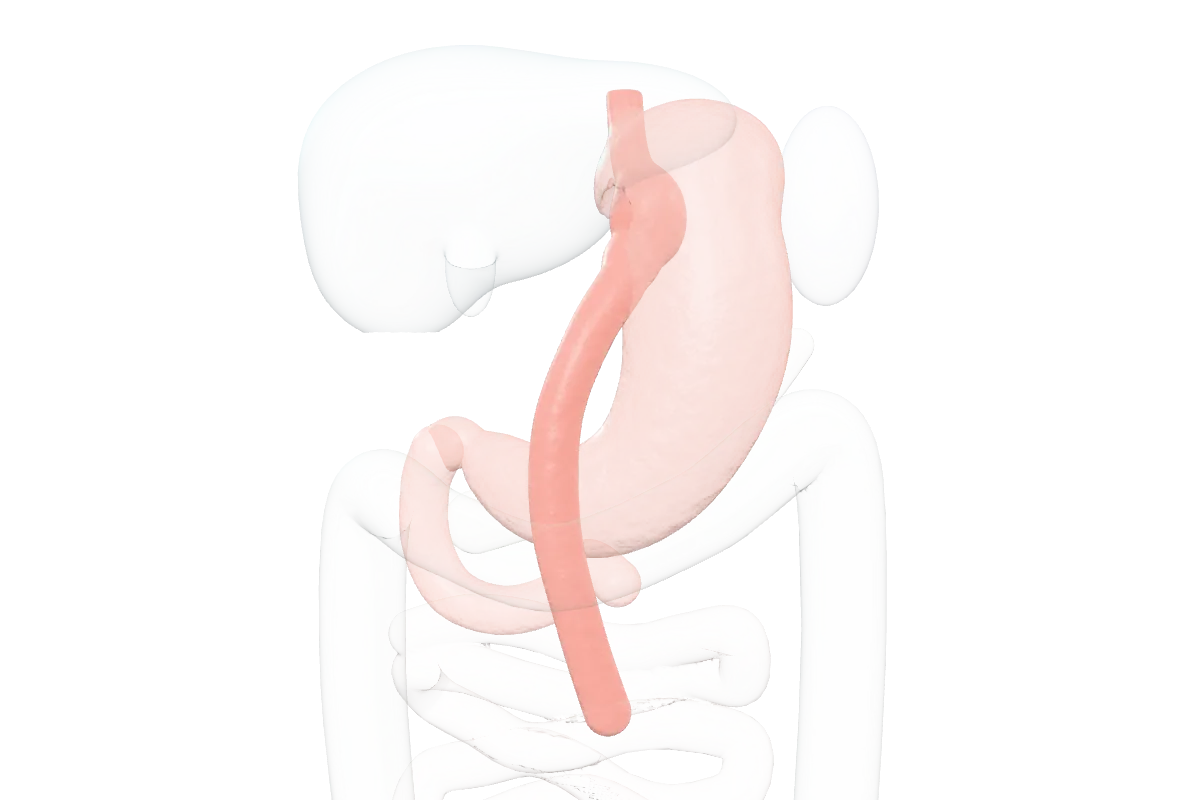 Fig. 2, Revision and TORe
A bypass leaves a small pouch joined directly to the intestine. The old stomach stays in place, unused.
Over the years the connection, the outlet, can widen. Food then passes quickly and fullness fades.
TORe is endoscopic: a flexible scope passes through the mouth into the pouch. No incisions.
Stitches are placed in a ring around the outlet from the inside.
Tightening the ring brings the outlet back to a smaller size, so food leaves the pouch more slowly.
The scope is removed. Most people go home the same day.
A simplified 3D illustration for education, built from anatomical proportions. Your surgeon explains what applies to you.
TORe may be considered for selected people who had a gastric bypass and now have weight regain or less restriction. Tick what applies to you.
What TORe may offer the right person. Your doctor explains which of these apply to you.
TORe is done through the mouth with an endoscope, so there are no cuts on the belly and no scars on the skin.
TORe does not reopen or rebuild the bypass. For the right person, it may mean a shorter recovery than revision surgery.
A smaller outlet may help you feel full sooner and stay satisfied longer after eating.
TORe may help stop ongoing regain and support more weight loss, together with nutrition, activity, behavioural support and follow-up.
Because it slows how fast food moves into the intestine, TORe may be considered for some people with dumping syndrome. A medical assessment decides if it applies to you.
Results vary. They depend on how much the outlet had stretched, how much weight came back, eating habits, activity, health and taking part in follow-up care.
The aim of TORe is often to stop further regain, restore restriction and support a renewed weight-management plan. People who stay involved with dietary guidance, regular activity, behavioural support and follow-up generally have the best chance of long-term success.
Results vary. No specific amount of weight loss can be guaranteed.
Average total body weight loss after TORe
A published five-year study of people who had TORe after a gastric bypass
| Time after TORe | Average total body weight loss | People with data |
|---|---|---|
| 1 year | 8.5% | 276 |
| 3 years | 6.9% | 211 |
| 5 years | 8.8% | 102 |
Because TORe is endoscopic and needs no incisions on the belly, recovery is usually quicker than after surgical revision of a gastric bypass.
You rest with a nurse while the anesthesia wears off. An overnight stay may be advised if it is medically needed.
A liquid diet first. Some people have nausea, bloating, cramping or belly discomfort for a few days.
Most people are back to light everyday activities within a few days.
Many people return to non-strenuous work in about 3 to 7 days, depending on their job.
Puréed, then soft, then regular foods, as your care team advises. Exercise comes back gradually, once your team says it is safe.
Your exact diet, activity limits and follow-up are given to you by your care team. Following them is important while the treated area heals.
How eating in stages worksLike any procedure, TORe has risks. Most side effects are short-lived, such as a sore throat, nausea or belly discomfort. Less often, there can be bleeding, an ulcer near the outlet, or an outlet that becomes too narrow and makes eating hard, which may need treatment. Your doctor goes through the risks that apply to you.
This page is general information, not medical advice.

Performs TORe at 360 Sleeve
MD, MPH, FRCSC, FACS, DABOM
A bariatric and advanced endoscopic surgeon. He trained in advanced endoscopy at the University of Miami and in bariatric surgery at the University of Ottawa, and holds a Master of Public Health from Harvard. He also performs ESG at 360 Sleeve.
Whether you are considering TORe, ESG, a gastric sleeve or SADI-S, our team helps you choose a plan that fits your health and goals.
The cost of transoral outlet reduction at 360 Sleeve in Toronto is $14,500, taxes included. Because TORe is done in a private clinic, it is not covered by OHIP. Financing options may be available for qualified patients.
$467a month at an example 9.9% APR
Financing through Beautifi or Medicard, 6 months to 6 years, no prepayment fees. The lender sets your rate after approval.
At your consultation, our team reviews the full cost, payment and financing options, the expected recovery and whether TORe may be right for you.
The questions people ask most before choosing TORe. Dr. Gamme answers them for your own history at your consultation. This page is general information, not medical advice.
Still wondering? , or ask the assistant in the corner.
TORe is an endoscopic bariatric procedure, not traditional abdominal surgery. It is done through the mouth with an endoscope, so there are no cuts on the skin.
TORe is mainly for selected people who had a Roux-en-Y gastric bypass and whose outlet has become enlarged. It is not normally used to revise a gastric sleeve or a gastric band.
TORe mainly makes the opening between the stomach pouch and the small intestine smaller. In some cases, extra stitches may also be placed in the pouch, depending on your anatomy and your doctor’s plan.
Weight loss varies. In a published five-year study, average total body weight loss was about 8.8% at five years, but results differ from person to person. No specific amount of weight loss can be guaranteed.
TORe does not repeat or rebuild the whole gastric bypass. It aims to restore some of its restriction by making an enlarged outlet smaller.
The stitches are meant to keep the outlet smaller for the long term, but the body can change over time. Some people see the outlet widen again or regain weight, and may need more treatment.
In selected cases, another endoscopic treatment may be considered if the outlet widens again or more treatment is needed. This depends on your anatomy, your medical history and how you responded the first time.
No. There are no scars on the skin, because the procedure is done through the mouth.
TORe often takes about 45 to 90 minutes. The time depends on your anatomy and the techniques needed.
Most people go home the same day. An overnight stay may be recommended if it is medically needed.
Many people return to non-strenuous work in about 3 to 7 days. Your doctor gives you advice based on your recovery and your job.
You start with a liquid diet, then move to puréed, soft and regular foods in stages. Your care team gives you a structured plan to follow.
TORe may help some people with dumping syndrome after a gastric bypass, because it slows how fast food moves into the small intestine. A medical assessment is needed to know if it is right for your symptoms.
Your bariatric team may talk with you about other options, such as nutrition care, anti-obesity medication, behavioural support, another endoscopic procedure or surgical revision.
Dr. Gary Gamme, MD, MPH, FRCSC, FACS, DABOM, a bariatric and advanced endoscopic surgeon.
TORe at 360 Sleeve is $14,500, taxes included. It is done in a private clinic, so OHIP does not cover it. Financing may be available for qualified patients.
A free consultation, in person in North York or online. Meet the team, ask anything and leave with a clear plan and price.
(416) 360-7360 sleeve@clinic360.com 1131A Leslie St #300, Toronto, ON M3C 3L8
Hi, I am the 360 Sleeve assistant. I answer from the clinic's own information: procedures, prices, financing, recovery, aftercare and visits. What would you like to know?
Automated answers, not medical advice.
1131A Leslie St #300, Toronto, ON M3C 3L8. Monday to Friday, 9 am to 5 pm.
A patient care coordinator will call you to confirm. If it is urgent, call (416) 360-7360.
1131A Leslie St #300, Toronto, ON M3C 3L8. Monday to Friday, 9 am to 5 pm.