Fig. 1
Gastric sleeve
Home the same day, for most
Home the same day, for most
Reflux or type 2 diabetes
Higher BMI or type 2 diabetes
No incisions
TORe price; other revisions are priced after a review
After an earlier procedure
360 Complete Care
Six years of aftercare come with every sleeve.
Eating after surgery
Your 6-year plan
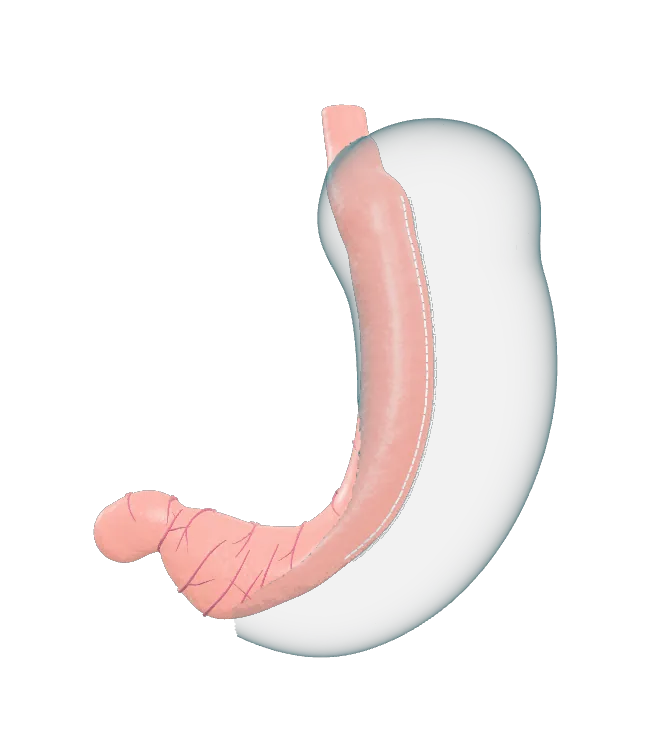 The 3D procedure labFive procedures, step by step. Turn the model, switch on x-ray and follow the path food takes.Open the 3D lab
Tools and guides
Six short videos, about 11 minutes in all: a walk through the clinic, the sleeve step by step and answers to common questions.
Watch the videos Clinic 360 on YouTubePatient journey New
From the blog
Surgeons
 Dr. Kashif IrshadBariatric surgeon
 Dr. Ali HazratiBariatric surgeon
 Dr. Gary GammeBariatric and endoscopic surgeon
 Dr. Adam SchofieldUpper GI and bariatric surgeon
Care team
 Yolanda AlbinoSurgical Care Nurse
 Natalie BeanClinical Nutrition Specialist
 Sharmaine LopezPatient Care Coordinator
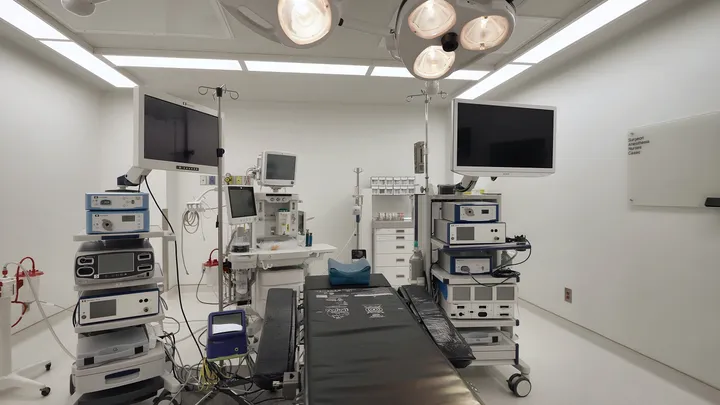 Our surgical facilityTwo operating rooms, 10 recovery beds, 1131A Leslie St #300, Toronto, ON M3C 3L8Take the virtual tour
What to expect from your diet before and after gastric sleeve surgery: two weeks to get ready, about seven weeks of stages while your stomach heals, then small, protein-first meals for life. Your dietitian sets your exact plan.
This page is general information, not medical advice. Always follow the instructions your care team gives you.
Your eating journey starts before surgery. Your dietitian guides you through a short pre-op diet that shrinks your liver and gets your body ready.
Some people have a fatty liver, where fat builds up in and around the liver. A large liver sits over the stomach and makes surgery harder and riskier. The pre-op diet shrinks it, for safer surgery.
Low in calories, sugar and starch, with enough protein. Many people, especially with a higher BMI, use a liquid meal replacement for one to two weeks. If you need it, a two-week supply is included.
Your dietitian gives you a low-calorie, high-protein plan for the two weeks. About two days before surgery, you may switch to clear fluids only: water, broth, black tea or coffee without milk or sugar, and sugar-free gelatin or popsicles.
Your stomach needs time to heal, so textures come back step by step over about seven weeks. Pick a stage to see what it looks like. Your dietitian tells you when to move on.
Rest your new stomach and stay hydrated.
Start with small sips of water, then other clear fluids as your team allows. Sip slowly all day, even when you are not thirsty.
Examples
Avoid for now
Portion
Sips, about 30 mL (1 oz) at a timeStart Up to
Tip: Keep a log of what you drink. Your nurse asks about it.
Get protein in while your stomach heals.
Smooth, protein-rich liquids. Protein shakes do most of the work now, so plan two or three a day.
Examples
Avoid for now
Portion
About ¼ to ½ cup at a timeStart Up to
Tip: Sip a shake over 20 to 30 minutes. If it feels heavy, stop and come back to it later.
Bring back real food, gently.
Blend soft, moist foods until smooth. Eat protein first, then vegetables, then fruit, then grains, and add one new food at a time.
Examples
Avoid for now
Portion
Start with 2 to 4 tablespoons, up to about ½ cup a mealStart Up to
Tip: Freeze purées in an ice cube tray. One cube is about 1 oz, and a cube of lean puréed protein gives about 7 g of protein.
Practise the habits that last: small bites, chew well, stop when full.
Moist, tender foods, chewed very well. Protein first, then the rest. Try one new food at a sitting, so you know what you tolerate.
Examples
Avoid for now
Portion
About ½ cup a mealStart Up to
Tip: Put your fork down between bites. A meal should take about 20 to 30 minutes.
Build the way you will eat for life.
Small, balanced meals, eaten slowly. Protein first, filling half the plate. Stop at the first sign of fullness. If a food does not sit well, wait a few weeks and try it again.
Examples
Avoid for now
Portion
About ½ to 1 cup a meal, growing slowly over the first yearStart Up to
Tip: Use a small plate, 7 to 9 inches across, and fill half of it with protein.
Stage 1 of 5
General guidance. Your dietitian sets the stages, amounts and timing that are right for you, and may move you on sooner or later.
Two numbers carry you through every stage. Your dietitian may set different targets for you.
60 to 80 gof protein a day
Protein helps your incisions and your new stomach heal, and keeps your muscles strong while you lose weight. Too little can mean slower healing, hair loss and low energy.
Because you eat small amounts, choose protein-rich foods and eat them first, at every meal and snack. Pick lean protein over high-fat choices.
Where it comes from, roughly
Approximate amounts. Check food labels.
8 cupsof fluid a day, about 2 litres
Your body used to get much of its water from food. Now you need to sip it on purpose, all day. Water is best. Milk, broth and protein shakes count too.
Signs you need more fluid
If you cannot keep fluids down, call us at (416) 360-7360.
You eat much less after a sleeve, so food alone cannot give you everything you need. Supplements fill the gap. Your dietitian names the products and doses for you.
Chewable or liquid, 1 to 2 a day. It gives about twice the daily value of most nutrients, including iron, folic acid, thiamine (vitamin B1) and copper.
Usually calcium citrate, in two or three doses a day. Take it at least 2 hours apart from iron or your multivitamin.
If your bloodwork or your team says you need more.
How to take them
Checked for you: bloodwork at 6 months and then every year is part of 360 Complete Care, so your team can adjust your supplements.
Once you reach regular food, a small plate makes a small portion look like a full meal. Fill it in this order, and eat it in this order too.
Protein, halfAbout 3 oz
Non-starchy vegetablesAbout ⅓ cup
High-fibre carbs or fruitAbout ¼ cup
Some foods are hard on a healing stomach. Others are worth limiting for good, because they work against your new way of eating.
Until your dietitian says you are ready.
Habits that help your sleeve work for you.
Most people meet one or two of these in the first months. They are usually easy to manage with your team's help.
It is very common not to feel hungry after surgery. Eat on a schedule, not by hunger, so you still get your protein and fluids.
Usually from eating too fast or too much, not chewing well, drinking too soon after a meal, or moving to the next stage too early. If it does not settle, or you cannot keep fluids down, call us.
Dark urine, a headache, dizziness, tiredness or a white coating on the tongue can mean you need more fluid. Sip steadily all day and aim for about 8 cups.
Common in the first weeks. Walking helps. Skip straws and carbonated drinks, and eat slowly. Gas from milk can be a sign of lactose intolerance.
Less food, less fibre, and iron or calcium can all slow things down. Drink enough, keep walking, and ask your team about a stool softener. Add fibre as your stages allow.
Food may taste different, especially in the first weeks. It often settles. Your dietitian can help you find protein foods you enjoy.
Milk can cause cramps, gas or loose stools for some people after surgery. Lactose-free milk, ultra-filtered milk or a lactase tablet may help.
Often starts around 3 to 6 months and is usually temporary. Getting enough protein and taking your vitamins every day helps.
Short answers to what people ask most. Your dietitian goes through all of it with you.
Still wondering? , or ask the assistant in the corner.
Most people aim for 60 to 80 g a day, starting with protein shakes and moving to protein foods as the stages go on. Your dietitian may set a different target for you, based on your size and your health.
Most people move from fluids to puréed food at about the end of week 2, to soft food at about week 4 and to a regular diet from about week 7. Your dietitian tells you when you are ready for each step.
Your new stomach is small. Drinking with a meal fills it with fluid, so you eat less of the protein you need, and it can cause discomfort. Stop drinking about 30 minutes before you eat, and wait about 30 minutes after.
Not in the first weeks. Caffeine can irritate your healing stomach and make it harder to stay hydrated. Decaf coffee and herbal tea are fine. Ask your dietitian when you can have caffeine again.
Avoid alcohol in the first months, and talk to your team before you drink again. After a sleeve, alcohol is absorbed faster and has a stronger effect, and it adds calories without nutrition.
Yes. You eat much less after a sleeve, so a daily bariatric multivitamin, calcium and vitamin D are part of life after surgery. Bloodwork at 6 months and then every year checks your levels.
It is common, especially in the first year. Stop, wait a few weeks and try a small amount again. Call us if you cannot keep fluids down or you vomit often.
This page is general information, not medical advice. Always follow the instructions your care team gives you.
A free consultation, in person in North York or online. Meet the team, ask anything and leave with a clear plan and price.
(416) 360-7360 sleeve@clinic360.com 1131A Leslie St #300, Toronto, ON M3C 3L8
Hi, I am the 360 Sleeve assistant. I answer from the clinic's own information: procedures, prices, financing, recovery, aftercare and visits. What would you like to know?
Automated answers, not medical advice.
1131A Leslie St #300, Toronto, ON M3C 3L8. Monday to Friday, 9 am to 5 pm.
A patient care coordinator will call you to confirm. If it is urgent, call (416) 360-7360.
1131A Leslie St #300, Toronto, ON M3C 3L8. Monday to Friday, 9 am to 5 pm.