Fig. 1
Gastric sleeve
Home the same day, for most
Home the same day, for most
Reflux or type 2 diabetes
Higher BMI or type 2 diabetes
No incisions
TORe price; other revisions are priced after a review
After an earlier procedure
360 Complete Care
Six years of aftercare come with every sleeve.
Eating after surgery
Your 6-year plan
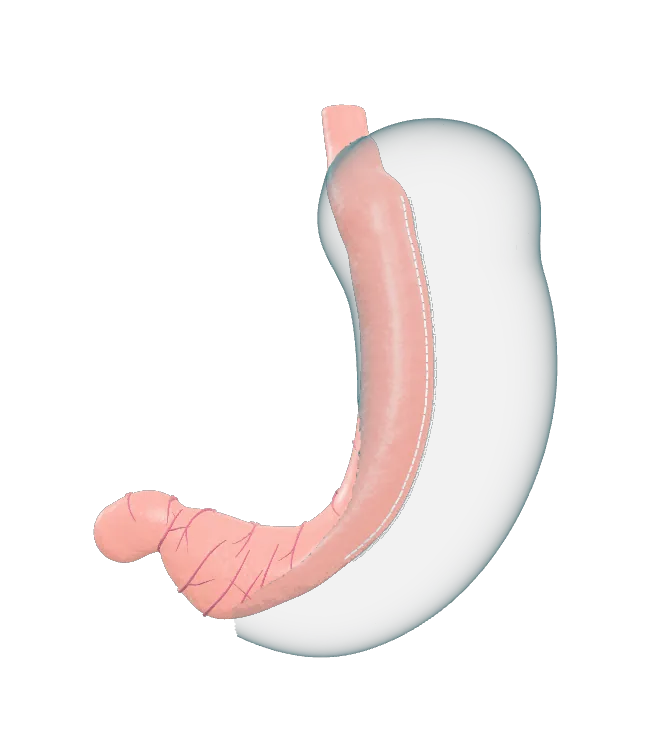 The 3D procedure labFive procedures, step by step. Turn the model, switch on x-ray and follow the path food takes.Open the 3D lab
Tools and guides
Six short videos, about 11 minutes in all: a walk through the clinic, the sleeve step by step and answers to common questions.
Watch the videos Clinic 360 on YouTubeFrom the blog
Surgeons
 Dr. Kashif IrshadBariatric surgeon
 Dr. Ali HazratiBariatric surgeon
 Dr. Gary GammeBariatric and endoscopic surgeon
 Dr. Adam SchofieldUpper GI and bariatric surgeon
Care team
 Yolanda AlbinoSurgical Care Nurse
 Natalie BeanClinical Nutrition Specialist
 Sharmaine LopezPatient Care Coordinator
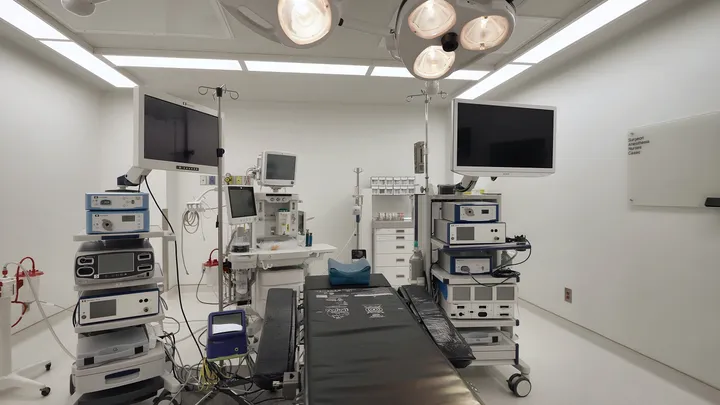 Our surgical facilityTwo operating rooms, 10 recovery beds, 1131A Leslie St #300, Toronto, ON M3C 3L8Take the virtual tour
How common sleep apnea is before weight-loss surgery, why your team may ask for a sleep study, why CPAP matters around surgery, and what often changes afterward.
Published April 20, 2026

In short
Loud snoring, waking up tired, dozing off in the afternoon. Many people put these down to a busy life. Before weight-loss surgery, they are worth a closer look, because they can be signs of obstructive sleep apnea.
In obstructive sleep apnea, the airway in your throat narrows or closes again and again while you sleep. Breathing becomes very shallow or stops for a few seconds, oxygen levels drop, and your brain wakes you briefly so you breathe again. Most people do not remember these wake-ups. Extra fat in and around the neck is one of the main reasons the airway collapses.
Over time, untreated sleep apnea is linked with high blood pressure, heart disease, heart rhythm problems, stroke, type 2 diabetes and car crashes caused by drowsiness.
Very common in people preparing for bariatric surgery. Depending on the study, between about 35% and 94% of people having this surgery have sleep apnea. Many do not know it: Canadian guidelines note that up to half of people with significant sleep apnea before bariatric surgery have never been diagnosed. Sleep apnea is more common in men, and it does not always match BMI. Some people with a lower BMI have severe sleep apnea.
Anesthesia, sedatives and strong pain medicines relax the muscles of the throat and can slow breathing. In someone with sleep apnea, this can make breathing harder in the hours after surgery. Canadian guidelines note that people with sleep apnea may have more complications and longer hospital stays after bariatric surgery, and that placing the breathing tube can be harder.
That is why guidelines suggest screening everyone for sleep apnea before bariatric surgery, and treating it when it is found.
Screening often starts with a short questionnaire. One widely used tool, called STOP-Bang, has eight yes-or-no questions about:
A higher score means a higher chance of moderate or severe sleep apnea. Questionnaires can miss it in people living with obesity, though, so Canadian guidelines advise a low threshold for a sleep study. A sleep study records your breathing and oxygen levels overnight. It shows whether you have sleep apnea and how severe it is.
CPAP (continuous positive airway pressure) is a small machine that gently blows air through a mask while you sleep. The air keeps your airway open. An international expert guideline on sleep apnea and bariatric surgery recommends CPAP for everyone with moderate or severe sleep apnea, and continuous oxygen monitoring in the first period after surgery. It also advises keeping sedatives and strong pain medicines to a minimum.
For many people, sleep apnea improves as weight comes down. A review of 69 studies with about 13,900 people found that more than 75% had at least some improvement in their sleep apnea after bariatric surgery.
It does not always go away, though. Canadian guidelines note that moderate to severe sleep apnea can still be present a year after surgery, and that it can come back later, even without weight regain. So do not stop CPAP on your own. As your weight changes, your mask may need refitting and your pressure setting may need adjusting. Your doctor can tell you when a new sleep study makes sense.
General information, not medical advice. Results and recovery differ from person to person; a surgeon assesses what applies to you at your consultation.
Ask our team at a free consultation, in person in North York or online.
A free consultation, in person in North York or online. Meet the team, ask anything and leave with a clear plan and price.
(416) 360-7360 sleeve@clinic360.com 1131A Leslie St #300, Toronto, ON M3C 3L8
Hi, I am the 360 Sleeve assistant. I answer from the clinic's own information: procedures, prices, financing, recovery, aftercare and visits. What would you like to know?
Automated answers, not medical advice.
1131A Leslie St #300, Toronto, ON M3C 3L8. Monday to Friday, 9 am to 5 pm.
A patient care coordinator will call you to confirm. If it is urgent, call (416) 360-7360.
1131A Leslie St #300, Toronto, ON M3C 3L8. Monday to Friday, 9 am to 5 pm.