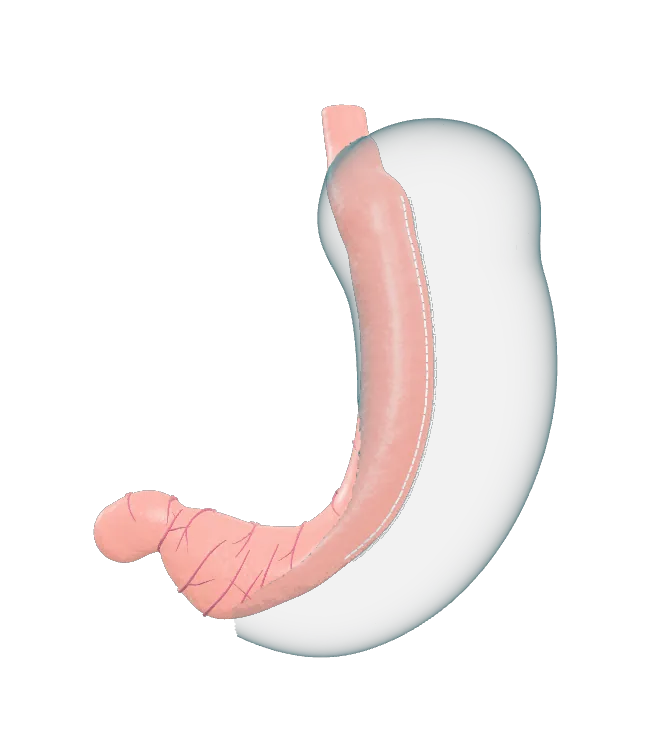
Fig. 1
Gastric sleeve
Home the same day, for most
Home the same day, for most
Reflux or type 2 diabetes
Higher BMI or type 2 diabetes
No incisions
TORe price; other revisions are priced after a review
After an earlier procedure
360 Complete Care
Six years of aftercare come with every sleeve.
Eating after surgery
Your 6-year plan
 The 3D procedure labFive procedures, step by step. Turn the model, switch on x-ray and follow the path food takes.Open the 3D lab
Tools and guides
Six short videos, about 11 minutes in all: a walk through the clinic, the sleeve step by step and answers to common questions.
Watch the videos Clinic 360 on YouTubeFrom the blog
Surgeons
 Dr. Kashif IrshadBariatric surgeon
 Dr. Ali HazratiBariatric surgeon
 Dr. Gary GammeBariatric and endoscopic surgeon
 Dr. Adam SchofieldUpper GI and bariatric surgeon
Care team
 Yolanda AlbinoSurgical Care Nurse
 Natalie BeanClinical Nutrition Specialist
 Sharmaine LopezPatient Care Coordinator
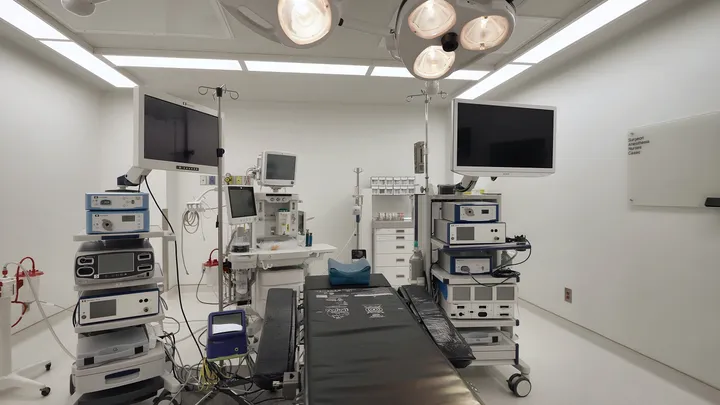 Our surgical facilityTwo operating rooms, 10 recovery beds, 1131A Leslie St #300, Toronto, ON M3C 3L8Take the virtual tour
Gastric bypass: a small pouch, a new route
In a Roux-en-Y gastric bypass, the surgeon makes a small pouch at the top of the stomach and joins it to a lower loop of the small intestine. You feel full with less food, and food skips most of the stomach and the first part of the intestine. Results vary.
Scroll through the operation the way your surgeon explains it: a small pouch, then a new route for food through the intestine. Scroll back to see any step again.
 Fig. 2, Gastric bypass
A J-shaped muscular bag. Food passes into the duodenum, where bile and digestive juices join it.
Under general anesthesia, small ports are placed in the upper abdomen. No large cut.
Staples divide the top of the stomach into a small pouch, about the size of an egg. The rest of the stomach stays in place, unused.
The small intestine is divided, and its lower part, the Roux limb, is brought up and joined to the pouch.
The bypassed stomach and the first part of the intestine stay in place. Their digestive juices join the food further down.
Food goes from the pouch straight into the Roux limb, so most people feel full sooner.
A simplified 3D illustration for education, built from anatomical proportions. Your surgeon explains what applies to you.
Both work on the stomach. What differs is the intestine, reflux, and what that means for the years after.
Made into a narrow sleeve, about 80% removed
A small pouch; the rest stays in place, unused
Unchanged
Rerouted: food skips the first part
Can start or get worse after a sleeve
Often suggested when reflux is already a problem
A BMI of 35 or more
Reflux, type 2 diabetes or a higher BMI
Daily vitamins for life, yearly bloodwork
The same, with closer checks of iron, vitamin B12 and calcium
Laparoscopic, five small incisions
Laparoscopic, a few small incisions
$13,900
$21,000
Which one suits you is a decision you make with your surgeon. Read the full comparison.
Like any weight-loss operation, a bypass usually starts from a BMI of 35 or more, or 30 to 35 with a weight-related condition. It is often discussed in these situations.
Because food skips part of the intestine, the body absorbs less of some vitamins and minerals. Daily supplements and regular bloodwork are part of life after a bypass.
Your dietitian sets your supplements, and bloodwork at 6 months and then every year shows how you are doing. Sweet or fatty food can cause dumping: feeling sick, sweaty or shaky soon after eating. Your dietitian shows you how to avoid it, and your nurse is your first call with any question.
Six years of 360 Complete CareGastric bypass at 360 Sleeve is performed by our Royal College-certified bariatric surgeons, laparoscopically, through a few small incisions. You meet your surgeon at your consultation.
One price, set at your consultation, with taxes included. Surgery at 360 Sleeve is private, so OHIP does not cover it.
$445a month at an example 9.9% APR
Financing through Beautifi or Medicard, 6 months to 6 years, no prepayment fees. The lender sets your rate after approval.
What people ask before choosing a bypass. Your surgeon goes through all of it with you at your consultation.
Still wondering? , or ask the assistant in the corner.
César Roux was the surgeon who first described this kind of connection. En-Y means in a Y shape: the loop of intestine that carries food from the pouch and the part that carries the digestive juices meet in a Y, further down.
In a sleeve, about 80% of the stomach is removed and food follows its usual route. In a bypass, a small pouch is made at the top of the stomach and joined to a lower loop of intestine, so food skips the rest of the stomach and the first part of the intestine.
SADI-S starts with a sleeve and keeps the pylorus, with one connection to a lower loop of intestine. A bypass makes a small pouch and uses two connections, in a Y shape.
Yes. After a bypass, the body absorbs less iron, vitamin B12 and calcium, among others. Daily supplements and regular bloodwork are part of your plan for life, and your dietitian adjusts them with you.
Feeling sick, sweaty, shaky or dizzy soon after sweet or fatty food, because it reaches the intestine quickly. It is more common after a bypass. Small meals, protein first and less sugar usually help. Read more about dumping.
Anti-inflammatory painkillers such as ibuprofen and naproxen raise the risk of an ulcer at the new connection, so most people are advised to avoid them for life. Smoking raises that risk too. Your team tells you which pain relief is safe for you.
Sometimes. A bypass is a common second operation after a sleeve, for example when reflux becomes a problem. Your surgeon reviews your history and your health first. About revision.
Many people go home the day after surgery, once they drink well and walk comfortably. Most take 2 to 4 weeks off work, depending on how physical their job is.
A free consultation, in person in North York or online. Meet the team, ask anything and leave with a clear plan and price.
(416) 360-7360 sleeve@clinic360.com 1131A Leslie St #300, Toronto, ON M3C 3L8
Hi, I am the 360 Sleeve assistant. I answer from the clinic's own information: procedures, prices, financing, recovery, aftercare and visits. What would you like to know?
Automated answers, not medical advice.
1131A Leslie St #300, Toronto, ON M3C 3L8. Monday to Friday, 9 am to 5 pm.
A patient care coordinator will call you to confirm. If it is urgent, call (416) 360-7360.
1131A Leslie St #300, Toronto, ON M3C 3L8. Monday to Friday, 9 am to 5 pm.


