Fig. 1
Gastric sleeve
Home the same day, for most
Home the same day, for most
Reflux or type 2 diabetes
Higher BMI or type 2 diabetes
No incisions
TORe price; other revisions are priced after a review
After an earlier procedure
360 Complete Care
Six years of aftercare come with every sleeve.
Eating after surgery
Your 6-year plan
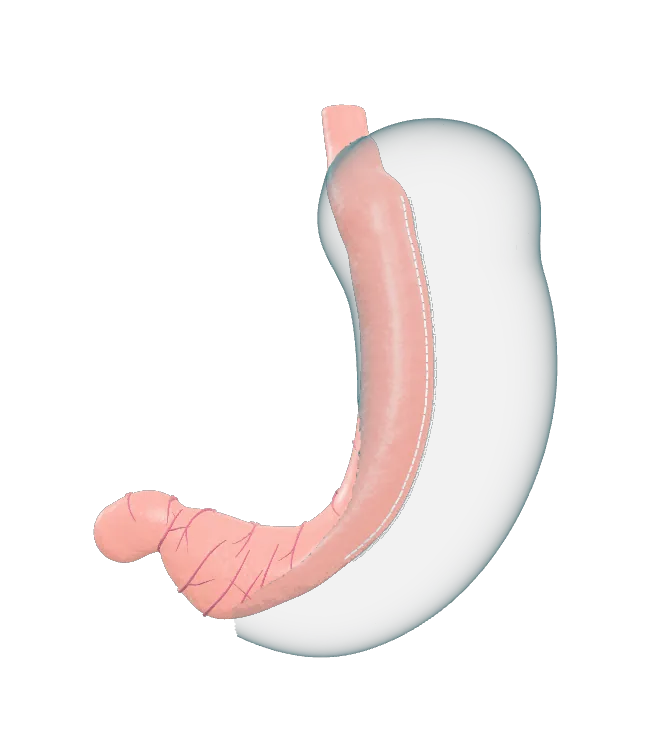 The 3D procedure labFive procedures, step by step. Turn the model, switch on x-ray and follow the path food takes.Open the 3D lab
Tools and guides
Six short videos, about 11 minutes in all: a walk through the clinic, the sleeve step by step and answers to common questions.
Watch the videos Clinic 360 on YouTubePatient journey New
From the blog
Surgeons
 Dr. Kashif IrshadBariatric surgeon
 Dr. Ali HazratiBariatric surgeon
 Dr. Gary GammeBariatric and endoscopic surgeon
 Dr. Adam SchofieldUpper GI and bariatric surgeon
Care team
 Yolanda AlbinoSurgical Care Nurse
 Natalie BeanClinical Nutrition Specialist
 Sharmaine LopezPatient Care Coordinator
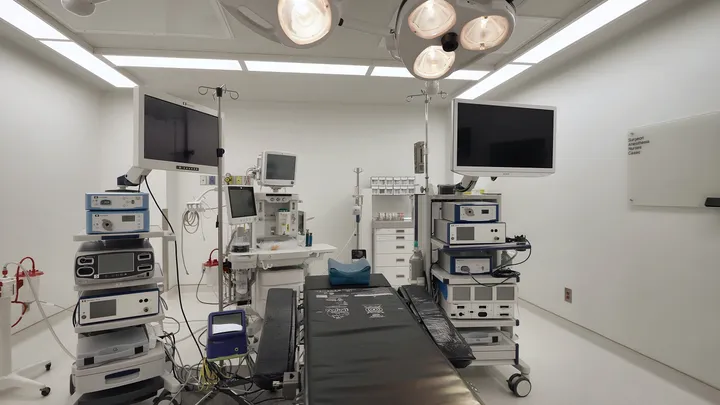 Our surgical facilityTwo operating rooms, 10 recovery beds, 1131A Leslie St #300, Toronto, ON M3C 3L8Take the virtual tour
If a gastric band has caused problems, or has not helped as much as you hoped, it can be removed and your stomach made into a gastric sleeve. Depending on your stomach, this is done in one operation or in two steps.
Gastric bands were a common weight-loss operation for many years. Over time, many people have problems with their band, or do not lose as much weight as they hoped. That is not a personal failure, and it is not the end of the road.
Why not just remove the band? Removing a band on its own is often followed by weight regain. That is why many people choose to replace it with another procedure, such as a gastric sleeve, at the same time or later.
If you are disappointed with your results after a gastric band, revision surgery may help. A conversion removes your band and its port, and makes your stomach into a gastric sleeve.
How the gastric sleeve worksThe band removal and the sleeve can be done together or in separate stages, depending on the condition of your stomach. Switch to compare.
Many people have the band removed and the sleeve made in the same operation. One anesthetic, one recovery.
If the stomach needs time to heal, the band comes out first and the sleeve follows later, once your surgeon is happy with the tissue.
Why two steps? When a band has slipped or worn into the stomach, or the tissue around it is thick and scarred, waiting lets the stomach heal before the sleeve is made. This may lower the risk of problems with the staple line. Sometimes the decision is made during the first operation, once the surgeon can see the tissue.
Your surgeon explains which plan is advised for you, and why.
Some people with a band consider a gastric bypass instead of a sleeve. Studies comparing the two after a band have found broadly similar weight loss in the first one to two years, and some have found more complications after a bypass. The right choice depends on you.
A sleeve is often discussed when
A bypass may be discussed when
Your surgeon explains which option suits your history, your health and your goals. Read more on our blog: can I have a sleeve after a gastric band?
Your step-by-step guide, from the first conversation to the operation itself.
The first step is a free consultation with our team. We look at your band, your weight history and your health, and make sure other options have been considered. If your band is no longer working well for you, a conversion to a sleeve may be an option.
You need an upper endoscopy so your surgeon can see your stomach and esophagus. Imaging, such as a barium swallow, and bloodwork are sometimes added. Bring any records you have from your band surgery and adjustments.
The band and its port are removed laparoscopically, through small incisions. In a one-step plan, the stomach is made into a sleeve in the same operation. In a two-step plan, the sleeve is made later.
Because this is revision surgery, your surgeon may find scar tissue where the band sat. This can make the operation longer or more complex, and it is one reason a two-step plan is sometimes chosen. Your surgeon explains the risks before you decide.
Life after a conversion looks much like life after a first sleeve, with a little more care at the start.
Some people go home the same day and some stay longer after a conversion. Your team tells you what to plan for.
Clear fluids, full fluids, puréed and soft foods, then a regular diet, as after any sleeve. Your dietitian guides each step.
Eating, stage by stageMost people take 1 to 3 weeks off work after a sleeve, depending on their job. Your surgeon tells you what to plan for after a conversion.
Daily bariatric vitamins for life and regular bloodwork. Your coordinator confirms the aftercare included in your plan.
360 Complete CareRevision surgery can be more complex than a first operation. Some risks, such as a leak from the staple line, are higher after a conversion than after a first sleeve. Your surgeon goes through the risks that apply to you before you decide.
This page is general information, not medical advice.
What sets your price
Your consultation is free, in person or online
The price of a band-to-sleeve conversion depends on your history and your plan. Your coordinator confirms it after your review, before you decide anything.
Because revision surgery at 360 Sleeve is done in a private clinic, it is not covered by OHIP. Financing through Beautifi or Medicard, over 6 months to 6 years, may be available for qualified patients.
Had a gastric bypass instead? Read about TORe, an endoscopic option for a stretched outlet.
What people with a gastric band ask us first. Your surgeon answers them for your own history at your consultation.
Still wondering? , or ask the assistant in the corner.
Often, yes. The band and its port are removed and the stomach is made into a sleeve. A consultation and an upper endoscopy show whether it is right for you.
Many people have it in one operation. If the stomach needs time to heal, for example after a slipped or eroded band, your surgeon may advise two steps a few months apart. Sometimes the decision is made during surgery, once the surgeon can see the tissue.
A band can be removed on its own. But removal alone is often followed by weight regain, so many people choose to convert to another procedure, such as a sleeve, at the same time or later.
An upper endoscopy, so your surgeon can see your stomach and esophagus. Imaging, such as a barium swallow, and bloodwork are sometimes added.
Revision surgery can be more complex, because of scar tissue around the old band. Some risks, such as a leak from the staple line, are higher than after a first sleeve. Your surgeon goes through the risks that apply to you before you decide.
Yes. A consultation can review a band placed at another clinic or hospital, in Canada or abroad. Bring whatever records you have.
Yes. As with any sleeve, you take bariatric vitamins every day for life and have regular bloodwork to check your levels.
It depends on your history and your plan, including whether it is done in one step or two. Your coordinator confirms the price after your review. Surgery at 360 Sleeve is private, so OHIP does not cover it. Financing may be available for qualified patients.
A free consultation, in person in North York or online. Meet the team, ask anything and leave with a clear plan and price.
(416) 360-7360 sleeve@clinic360.com 1131A Leslie St #300, Toronto, ON M3C 3L8
Hi, I am the 360 Sleeve assistant. I answer from the clinic's own information: procedures, prices, financing, recovery, aftercare and visits. What would you like to know?
Automated answers, not medical advice.
1131A Leslie St #300, Toronto, ON M3C 3L8. Monday to Friday, 9 am to 5 pm.
A patient care coordinator will call you to confirm. If it is urgent, call (416) 360-7360.
1131A Leslie St #300, Toronto, ON M3C 3L8. Monday to Friday, 9 am to 5 pm.