Fig. 1
Gastric sleeve
Home the same day, for most
Home the same day, for most
Reflux or type 2 diabetes
Higher BMI or type 2 diabetes
No incisions
TORe price; other revisions are priced after a review
After an earlier procedure
360 Complete Care
Six years of aftercare come with every sleeve.
Eating after surgery
Your 6-year plan
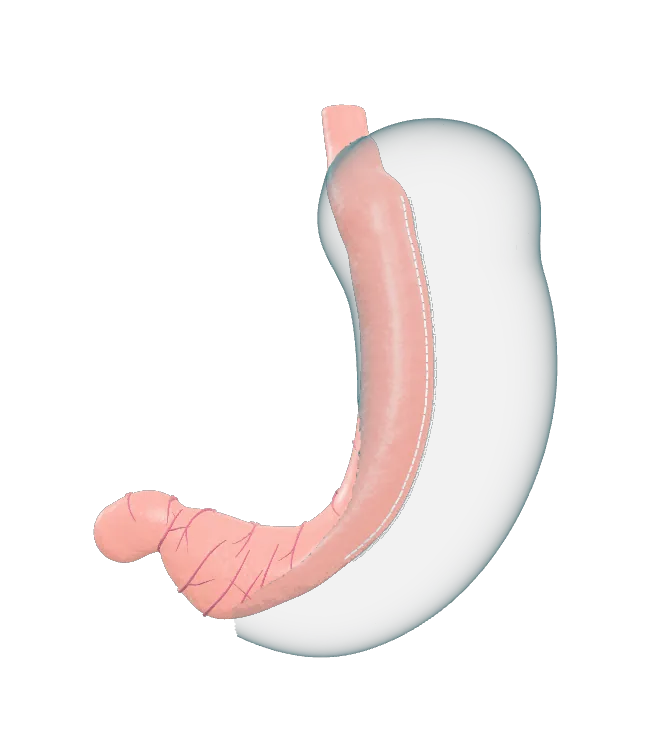 The 3D procedure labFive procedures, step by step. Turn the model, switch on x-ray and follow the path food takes.Open the 3D lab
Tools and guides
Six short videos, about 11 minutes in all: a walk through the clinic, the sleeve step by step and answers to common questions.
Watch the videos Clinic 360 on YouTubePatient journey New
From the blog
Surgeons
 Dr. Kashif IrshadBariatric surgeon
 Dr. Ali HazratiBariatric surgeon
 Dr. Gary GammeBariatric and endoscopic surgeon
 Dr. Adam SchofieldUpper GI and bariatric surgeon
Care team
 Yolanda AlbinoSurgical Care Nurse
 Natalie BeanClinical Nutrition Specialist
 Sharmaine LopezPatient Care Coordinator
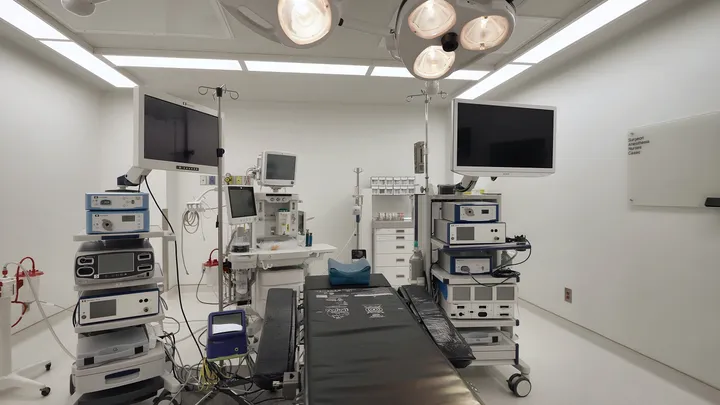 Our surgical facilityTwo operating rooms, 10 recovery beds, 1131A Leslie St #300, Toronto, ON M3C 3L8Take the virtual tour
Ten everyday habits that help after a gastric sleeve: fluids, protein, carbohydrates, planned meals, eating slowly, vitamins, movement and stress, and why perfect days are not the goal.
Published May 10, 2026

In short
Some people still think weight-loss surgery is "the easy way out". People who have had it know better. After a sleeve you learn a new way of eating, new routines and new ways to handle stress, and much of that work happens after surgery.
Here are ten habits that help many people, based on Canadian and international guidelines for life after bariatric surgery.
Aim for about 8 cups (about 2 litres) of fluids a day, mostly water, or the amount your dietitian sets. Sip slowly through the day, between meals rather than with them: stop drinking about 30 minutes before you eat, and wait about 30 minutes after. Avoid fizzy drinks, and ask your team about caffeine.
Fluids help prevent dehydration and constipation, which are common in the first months. Dark urine, headaches, dizziness and feeling very tired can be signs that you need more.
With a smaller stomach, every meal needs to count. Grazing, eating small amounts on and off all day, makes it hard to notice fullness and can add up to more than you think.
A planned snack is different: you decide on it ahead of time, and it can help you reach your protein goal. Many people do well with three small meals and one or two planned snacks, such as Greek yogurt or a hard-boiled egg.
Protein helps you heal, keeps your muscles strong while you lose weight, and helps you stay full. Most people aim for 60 to 80 g a day, or the amount your dietitian sets. Eat the protein on your plate first. Too little protein can lead to tiredness, slower healing and more hair shedding.
Guidelines for life after bariatric surgery suggest a moderate amount of carbohydrate. There is no single number for everyone, and your dietitian helps you find the right amount for your stage.
The type matters too. Simple carbohydrates, such as candy, pop, juice, cookies and white bread, raise blood sugar fast and leave you hungry again soon. Complex carbohydrates, such as vegetables, fruit, beans, lentils and whole grains, digest more slowly and bring fibre with them.
Many packaged foods are high in sugar, fat and salt, and low in protein. They are easy to eat quickly and in large amounts. Choose whole foods when you can, and read labels when you cannot. In some people, sugary foods can also cause dumping after a sleeve: a wave of nausea, sweating or shakiness after eating.
A little planning makes every other habit easier. Cook protein in batches, portion meals into small containers, and keep planned snacks ready. Then, when you are tired or busy, the easy choice is also the one that fits your plan.
Fullness takes time to arrive. Take small bites, chew well, and put your fork down between bites. A small meal often takes 20 to 30 minutes. A hunger and fullness scale can help you notice when you are satisfied, and stop there.
After a sleeve you eat much less, so it is hard to get all the vitamins and minerals you need from food alone. Guidelines recommend daily supplements for life: usually a multivitamin with minerals and calcium with vitamin D, plus others such as vitamin B12 or iron if your bloodwork shows a need. Your team tells you which ones and how much.
At 360 Sleeve, bloodwork at 6 months and then every year checks that your supplements are doing their job.
Start with short walks after surgery and build up week by week. A good everyday goal is about 30 minutes of walking or other activity. Over time, work toward 150 minutes or more a week, plus some strength work when your team says it is time. Activity helps you keep muscle, sleep better and handle stress.
Many people have used food to cope with stress or hard feelings, sometimes for years. After surgery that habit has to change, but the stress does not go away. It helps to have other options ready:
For many people this is the first time they track water, protein and steps. You will not reach every target every day, especially early on, and that is okay. Think of the goals as a direction, not a test.
If you miss them often, tell your dietitian or nurse. There is usually a simple fix, such as a different protein shake or a reminder on your phone.
General information, not medical advice. Results and recovery differ from person to person; a surgeon assesses what applies to you at your consultation.
Ask our team at a free consultation, in person in North York or online.
A free consultation, in person in North York or online. Meet the team, ask anything and leave with a clear plan and price.
(416) 360-7360 sleeve@clinic360.com 1131A Leslie St #300, Toronto, ON M3C 3L8
Hi, I am the 360 Sleeve assistant. I answer from the clinic's own information: procedures, prices, financing, recovery, aftercare and visits. What would you like to know?
Automated answers, not medical advice.
1131A Leslie St #300, Toronto, ON M3C 3L8. Monday to Friday, 9 am to 5 pm.
A patient care coordinator will call you to confirm. If it is urgent, call (416) 360-7360.
1131A Leslie St #300, Toronto, ON M3C 3L8. Monday to Friday, 9 am to 5 pm.


