Fig. 1
Gastric sleeve
Home the same day, for most
Home the same day, for most
Reflux or type 2 diabetes
Higher BMI or type 2 diabetes
No incisions
TORe price; other revisions are priced after a review
After an earlier procedure
360 Complete Care
Six years of aftercare come with every sleeve.
Eating after surgery
Your 6-year plan
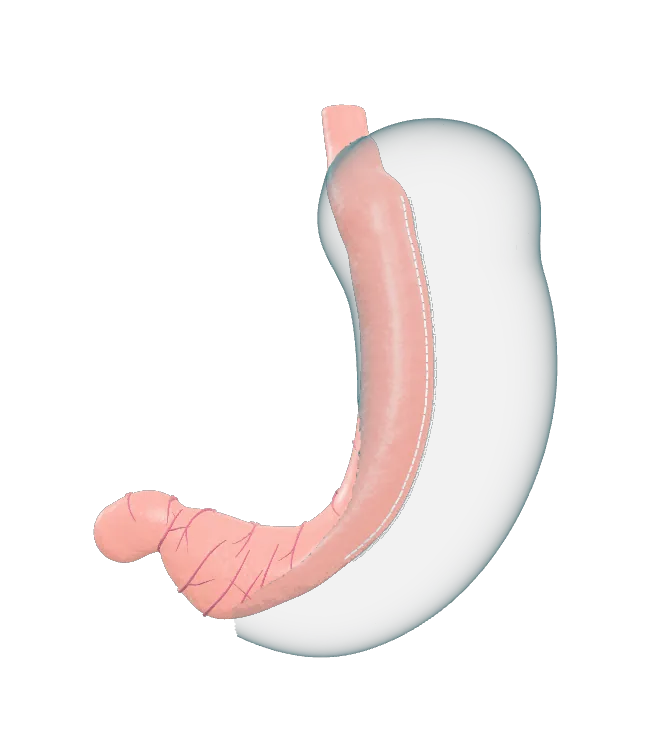 The 3D procedure labFive procedures, step by step. Turn the model, switch on x-ray and follow the path food takes.Open the 3D lab
Tools and guides
Six short videos, about 11 minutes in all: a walk through the clinic, the sleeve step by step and answers to common questions.
Watch the videos Clinic 360 on YouTubeFrom the blog
Surgeons
 Dr. Kashif IrshadBariatric surgeon
 Dr. Ali HazratiBariatric surgeon
 Dr. Gary GammeBariatric and endoscopic surgeon
 Dr. Adam SchofieldUpper GI and bariatric surgeon
Care team
 Yolanda AlbinoSurgical Care Nurse
 Natalie BeanClinical Nutrition Specialist
 Sharmaine LopezPatient Care Coordinator
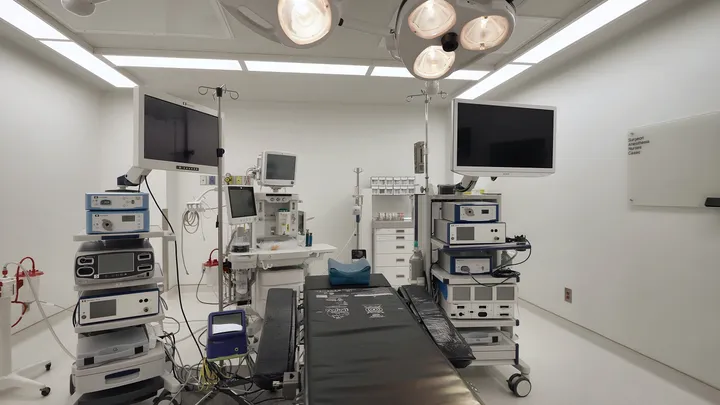 Our surgical facilityTwo operating rooms, 10 recovery beds, 1131A Leslie St #300, Toronto, ON M3C 3L8Take the virtual tour
After weight-loss surgery
After a gastric sleeve, most people lose weight fastest in the first 6 to 12 months. On average, people lose about 60% to 70% of their excess weight within 12 to 18 months.
Here is what that could mean for you, and what changes it.
Set your height and weight and pick a procedure. You see the range people often fall within over 18 months, based on study averages. Nothing you enter leaves this page.
What is typical after a gastric sleeve, and what your care team does at each point. Every body follows its own pace.
Weight often drops quickly at first, partly from water, while you move through the fluid stages. Small sips, protein shakes and rest.
Your nurse checks in, and your dietitian tells you when to move to the next stage.
You are on regular, small meals by now. Weight keeps coming off steadily, and many people notice more energy.
Follow-ups with your surgeon, nurse and dietitian.
Weight loss usually settles into a steadier pace, often about 1 to 2 lb a week. Short stalls of a few weeks are normal.
Bloodwork at 6 months checks vitamins, iron and protein.
Many people are close to their lowest weight around the end of the first year. Loss slows down as the body adjusts.
A yearly check with bloodwork, then every year after.
Weight usually levels off between 12 and 18 months. Some people lose more, some less. From here, the work is keeping the habits that help.
360 Complete Care continues to year six.
The first weeks matter for healing more than for the scale. Follow the eating stages your dietitian sets: eating, stage by stage.
A sleeve is a tool. How much weight you lose, and keep off, depends on where you start and on the habits you build with your care team.
This page is general information, not medical advice. Your surgeon and dietitian set targets that fit your health.
Typical excess weight lost at 12 and 18 months, on the same scale. The right procedure depends on your health, not only on these numbers.
About 80% of the stomach is removed. Most weight comes off in the first year.
A sleeve plus one intestinal connection. On average, more weight loss than a sleeve alone.
Stitches from the inside, no incisions. On average, less weight loss than a sleeve.
Sleeve, SADI-S and ESG: rounded from published studies. Not sure which fits? See if you qualify.
Weight usually levels off by 18 months, and some regain over the years is common. Long-term studies show what tends to last.
That is why aftercare matters as much as surgery. Every sleeve at 360 Sleeve comes with six years of 360 Complete Care: follow-ups, yearly bloodwork, the 360 SmartTrack scale and app, and 360 Community.
If weight comes back, ask your team early. Sometimes a second procedure is discussed. About revision
Three steps, the same ones a dietitian would use for a first rough number. Here with 5 ft 6 in and 240 lb.
25 times your height in metres, squared.
about 155 lbYour weight today, minus that reference weight.
240 - 155 = about 85 lbAt 12 months after a sleeve, about 55% to 70% of it.
about 45 to 60 lbSome sources use a different reference weight than a BMI of 25, so their numbers can differ a little. For more detail, read How much weight can I lose with a gastric sleeve? on our blog.
What people ask most before a gastric sleeve. Your surgeon goes through your own situation at your free consultation.
Still wondering? , or ask the assistant in the corner.
On average, people lose about 60% to 70% of their excess weight within the first 12 to 18 months after a gastric sleeve. Excess weight is the weight above a BMI of 25. These are averages: some people lose more and some lose less.
Weight usually comes off fastest in the first 3 to 6 months. By about 6 months it often settles at around 1 to 2 lb a week, and it slows further toward the end of the first year. Most people reach their lowest weight between 12 and 18 months.
It is the difference between your current weight and the weight that would give you a BMI of 25 at your height. If you weigh 240 lb at 5 ft 6 in, that reference weight is about 155 lb, so your excess weight is about 85 lb.
Stalls of a few weeks are common, especially after the first months, as the body adjusts. Keep to your protein, water and activity goals, and talk to your dietitian if a stall lasts longer or you are unsure what to change.
Some regain over the years is common. In two large trials, people still had about half to two thirds of their excess weight off five years after a sleeve, on average. Keeping your habits and your follow-ups helps, and your team can talk about options if weight comes back.
On average in studies, SADI-S leads to more weight loss than a sleeve, and ESG to less. Each procedure also has different risks and long-term needs, so the right choice depends on your health, not only on the numbers. Your surgeon goes through this with you.
It applies typical ranges from studies and from our own patient chart to your height and weight. It cannot account for your health, medicines or habits, so it is a starting point for a conversation, not a prediction.
Many people have some loose skin after losing a lot of weight. How much depends on how much you lose, your age, your skin and genetics. Your care team can talk about what helps and what options exist later.
A free consultation, in person in North York or online. Meet the team, ask anything and leave with a clear plan and price.
(416) 360-7360 sleeve@clinic360.com 1131A Leslie St #300, Toronto, ON M3C 3L8
Hi, I am the 360 Sleeve assistant. I answer from the clinic's own information: procedures, prices, financing, recovery, aftercare and visits. What would you like to know?
Automated answers, not medical advice.
1131A Leslie St #300, Toronto, ON M3C 3L8. Monday to Friday, 9 am to 5 pm.
A patient care coordinator will call you to confirm. If it is urgent, call (416) 360-7360.
1131A Leslie St #300, Toronto, ON M3C 3L8. Monday to Friday, 9 am to 5 pm.