Fig. 1
Gastric sleeve
Home the same day, for most
Home the same day, for most
Reflux or type 2 diabetes
Higher BMI or type 2 diabetes
No incisions
TORe price; other revisions are priced after a review
After an earlier procedure
360 Complete Care
Six years of aftercare come with every sleeve.
Eating after surgery
Your 6-year plan
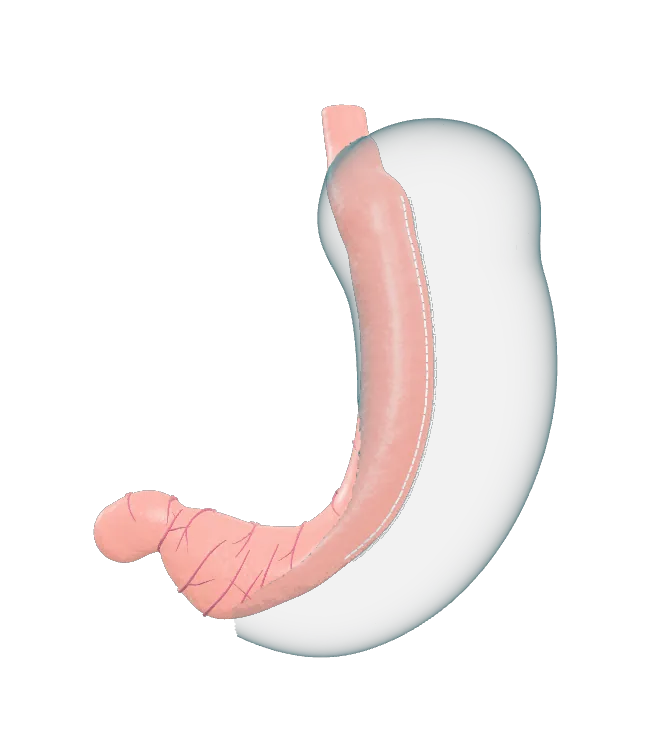 The 3D procedure labFive procedures, step by step. Turn the model, switch on x-ray and follow the path food takes.Open the 3D lab
Tools and guides
Six short videos, about 11 minutes in all: a walk through the clinic, the sleeve step by step and answers to common questions.
Watch the videos Clinic 360 on YouTubeFrom the blog
Surgeons
 Dr. Kashif IrshadBariatric surgeon
 Dr. Ali HazratiBariatric surgeon
 Dr. Gary GammeBariatric and endoscopic surgeon
 Dr. Adam SchofieldUpper GI and bariatric surgeon
Care team
 Yolanda AlbinoSurgical Care Nurse
 Natalie BeanClinical Nutrition Specialist
 Sharmaine LopezPatient Care Coordinator
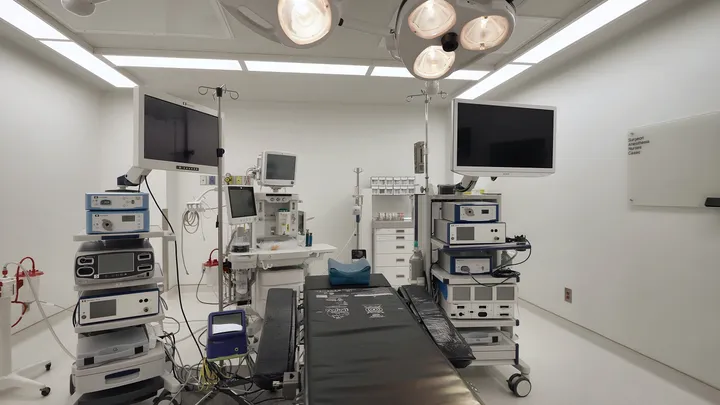 Our surgical facilityTwo operating rooms, 10 recovery beds, 1131A Leslie St #300, Toronto, ON M3C 3L8Take the virtual tour
Why surgeons ask you to stop smoking and vaping nicotine before weight-loss surgery, what studies show about the risks, how long before surgery to quit, and how to get help.
Published August 5, 2026

In short
If you smoke or vape, you have probably heard that you need to stop before weight-loss surgery. It can feel like one more hard thing on a long list. Here is why it matters, what studies show, and how to make quitting a little easier.
Smoke and nicotine affect your body in ways that matter during and after an operation.
Canadian guidelines note that smoking or using nicotine now, or in the recent past, puts people at risk of complications after bariatric surgery.
Canadian guidelines say that stopping smoking before bariatric surgery is required, and that it should last for life. They note that surgical centres recommend at least six weeks, and up to six months, without smoking before surgery. Your team tells you the timeline that applies to you.
Staying smoke-free after surgery matters too. Canadian guidelines note that smoking after bariatric surgery may be linked with ulcers, pneumonia and more complications in later operations, such as body contouring.
Vaping exposes you to much lower levels of harmful chemicals than cigarette smoke, but it is not risk-free. Health Canada notes that vaping nicotine is addictive and can raise your heart rate and blood pressure for a while. Vaping aerosol can contain harmful chemicals and metals that may damage the lungs, and the long-term effects are still being studied.
Canadian guidelines talk about nicotine, not only cigarettes. So tell your team if you vape, use nicotine pouches or gum, or smoke cannabis. Ask before you use any quit-smoking medicine or nicotine replacement, and ask when to stop it before surgery.
Quitting is hard, and it can take more than one try. You do not have to do it alone.
General information, not medical advice. Results and recovery differ from person to person; a surgeon assesses what applies to you at your consultation.
Ask our team at a free consultation, in person in North York or online.
A free consultation, in person in North York or online. Meet the team, ask anything and leave with a clear plan and price.
(416) 360-7360 sleeve@clinic360.com 1131A Leslie St #300, Toronto, ON M3C 3L8
Hi, I am the 360 Sleeve assistant. I answer from the clinic's own information: procedures, prices, financing, recovery, aftercare and visits. What would you like to know?
Automated answers, not medical advice.
1131A Leslie St #300, Toronto, ON M3C 3L8. Monday to Friday, 9 am to 5 pm.
A patient care coordinator will call you to confirm. If it is urgent, call (416) 360-7360.
1131A Leslie St #300, Toronto, ON M3C 3L8. Monday to Friday, 9 am to 5 pm.