Fig. 1
Gastric sleeve
Home the same day, for most
Home the same day, for most
Reflux or type 2 diabetes
Higher BMI or type 2 diabetes
No incisions
TORe price; other revisions are priced after a review
After an earlier procedure
360 Complete Care
Six years of aftercare come with every sleeve.
Eating after surgery
Your 6-year plan
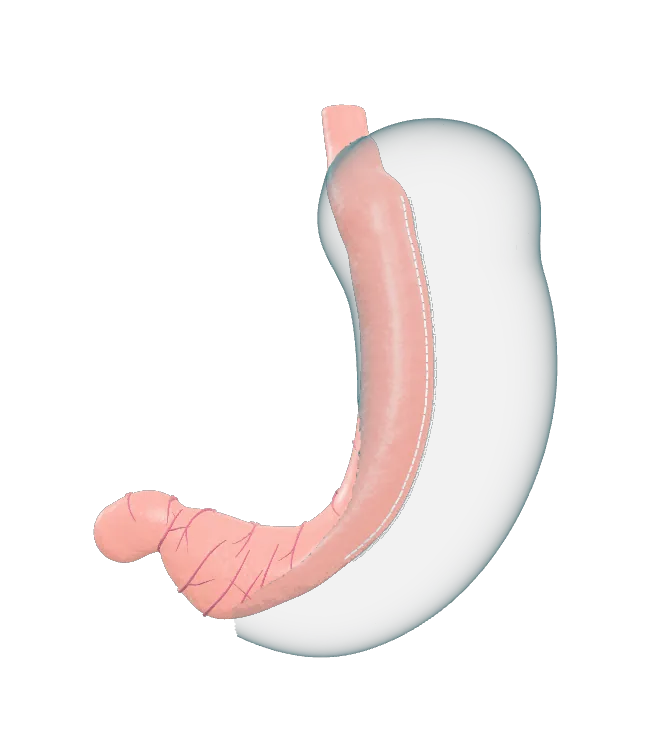 The 3D procedure labFive procedures, step by step. Turn the model, switch on x-ray and follow the path food takes.Open the 3D lab
Tools and guides
Six short videos, about 11 minutes in all: a walk through the clinic, the sleeve step by step and answers to common questions.
Watch the videos Clinic 360 on YouTubePatient journey New
From the blog
Surgeons
 Dr. Kashif IrshadBariatric surgeon
 Dr. Ali HazratiBariatric surgeon
 Dr. Gary GammeBariatric and endoscopic surgeon
 Dr. Adam SchofieldUpper GI and bariatric surgeon
Care team
 Yolanda AlbinoSurgical Care Nurse
 Natalie BeanClinical Nutrition Specialist
 Sharmaine LopezPatient Care Coordinator
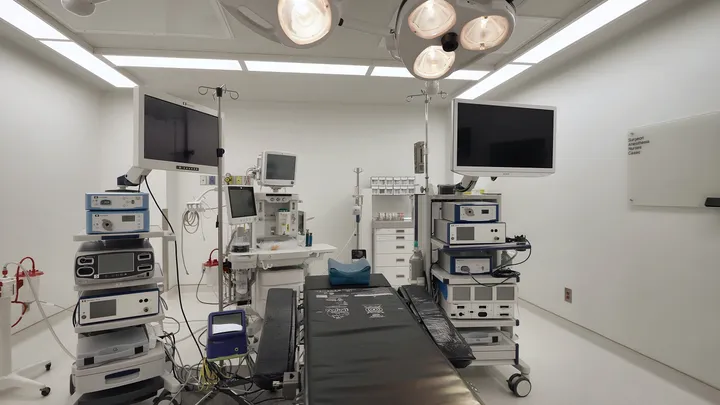 Our surgical facilityTwo operating rooms, 10 recovery beds, 1131A Leslie St #300, Toronto, ON M3C 3L8Take the virtual tour
Who a gastric sleeve may suit, what being ready means beyond your BMI, what surgery can and cannot do, and how a free consultation helps you decide.
Published July 23, 2026

In short
A gastric sleeve can help people who have tried for years to lose weight and keep it off. It is also a big decision, with real changes afterward. Here is how to think about whether it might be right for you.
Guidelines use your body mass index (BMI) together with your health to decide who may benefit from bariatric surgery.
At 360 Sleeve, a private clinic in North York, most people we see have a BMI of 30 or higher, and the sleeve is usually offered to adults aged 18 to 65. Your surgeon also looks at your health history, your medicines, any reflux, earlier operations and your goals.
Some situations mean surgery should wait, or that another approach is safer. Examples are active alcohol or drug misuse, a mental health condition that is not stable yet, or a pregnancy in the coming year or so. If you smoke, Canadian guidelines ask you to stop before surgery and to stay smoke-free for life.
The operation takes one day. The changes that follow last for years. People who do well after a sleeve are usually ready to:
Surgery can also change how you see yourself and how others react to you. Some people notice changes in their relationships, their body image or how they cope with stress. Talking these through before surgery, with your team and the people close to you, helps.
A sleeve removes about 80% of the stomach. Most people feel full sooner and much less hungry, and lose weight steadily in the first one to two years. But obesity is a chronic condition, and a sleeve is a tool for it, not a cure.
In long-term studies, results vary widely from person to person, and some weight regain after the first years is common. The habits you build with your care team make a real difference.
A consultation with a surgeon is where you get a clear answer for your own situation. At 360 Sleeve it is free, in person in North York or online, and there is no obligation. You can ask anything. If a sleeve is not the right fit, your surgeon will tell you and talk through other options, such as SADI-S, ESG or medical treatment.
General information, not medical advice. Results and recovery differ from person to person; a surgeon assesses what applies to you at your consultation.
Ask our team at a free consultation, in person in North York or online.
A free consultation, in person in North York or online. Meet the team, ask anything and leave with a clear plan and price.
(416) 360-7360 sleeve@clinic360.com 1131A Leslie St #300, Toronto, ON M3C 3L8
Hi, I am the 360 Sleeve assistant. I answer from the clinic's own information: procedures, prices, financing, recovery, aftercare and visits. What would you like to know?
Automated answers, not medical advice.
1131A Leslie St #300, Toronto, ON M3C 3L8. Monday to Friday, 9 am to 5 pm.
A patient care coordinator will call you to confirm. If it is urgent, call (416) 360-7360.
1131A Leslie St #300, Toronto, ON M3C 3L8. Monday to Friday, 9 am to 5 pm.