Fig. 1
Gastric sleeve
Home the same day, for most
Reflux or type 2 diabetes
Higher BMI or type 2 diabetes
No incisions
TORe price; other revisions are priced after a review
After an earlier procedure
360 Complete Care
Six years of aftercare come with every sleeve.
Eating after surgery
Your 6-year plan
 The 3D procedure labFive procedures, step by step. Turn the model, switch on x-ray and follow the path food takes.Open the 3D lab
Tools and guides
Six short videos, about 11 minutes in all: a walk through the clinic, the sleeve step by step and answers to common questions.
Watch the videos Clinic 360 on YouTubeFrom the blog
Surgeons
 Dr. Kashif IrshadBariatric surgeon
 Dr. Ali HazratiBariatric surgeon
 Dr. Gary GammeBariatric and endoscopic surgeon
 Dr. Adam SchofieldUpper GI and bariatric surgeon
Care team
 Yolanda AlbinoSurgical Care Nurse
 Natalie BeanClinical Nutrition Specialist
 Melody HajipourRegistered Dietitian
 Fonda ZettlerEmotional Support Specialist
 Sharmaine LopezPatient Care Coordinator
 Courtnie ChaplainClinic Manager
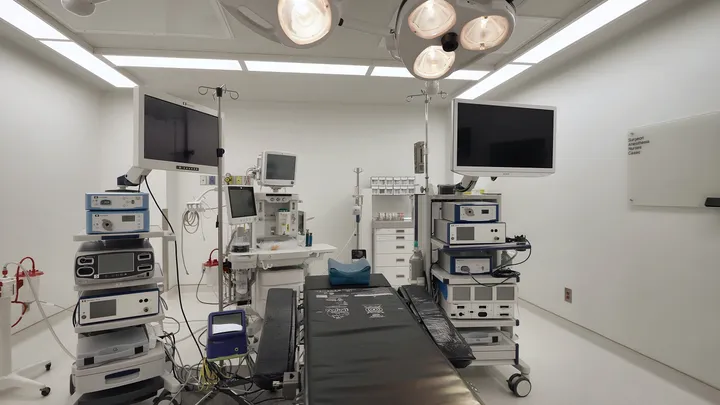 Our surgical facilityTwo operating rooms, 10 recovery beds, 1131A Leslie St #300, Toronto, ON M3C 3L8Take the virtual tour
Patient journey New
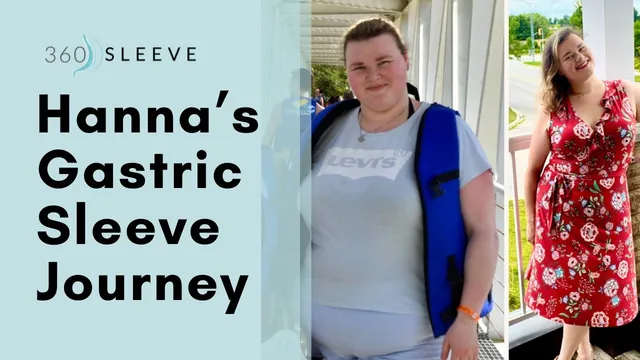
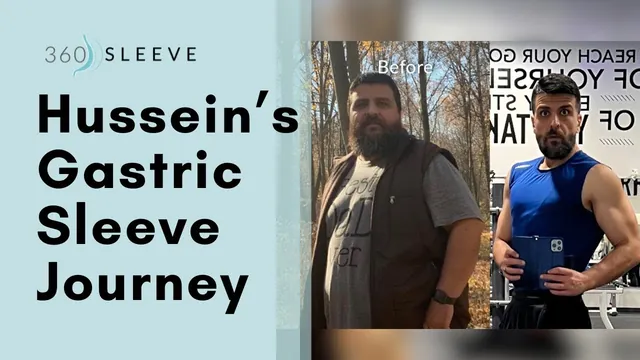
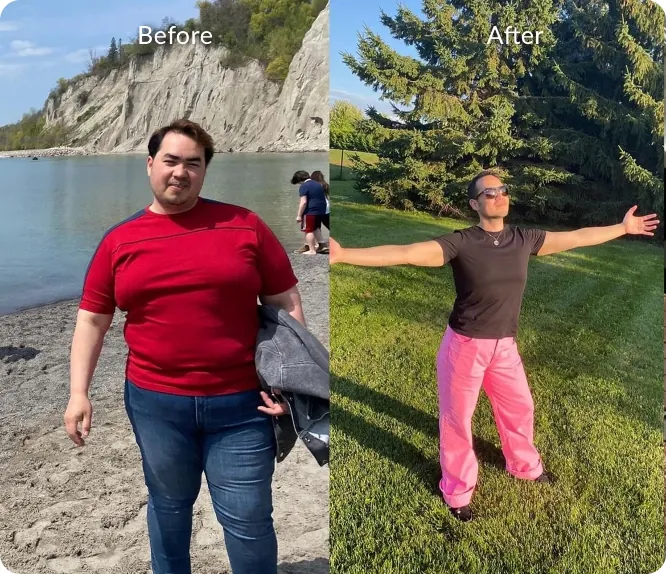
Six patients of 360 Sleeve share their journeys to a gastric sleeve, five of them on video. Watch, read, and find the one closest to yours.
All patient journeys Before and after photosWeekly injections for weight management are now widely used in Canada. Here is what the large trials found, what happens when the medicine is stopped, how that compares with results after a sleeve, and how people decide with their doctor.
Published November 7, 2026

In short
Few questions come up more often at a consultation today than this one: should I try the weight-loss injections first, or go straight to surgery? Both are recognized treatments for obesity in Canadian guidelines. They work in different ways and fit different situations. Here is what the research shows, in plain language.
GLP-1 is a hormone your gut releases after you eat. It tells your brain you are full and slows down how fast your stomach empties. The medicines copy this hormone and last much longer, so most people feel less hungry and get full sooner. Semaglutide acts on the GLP-1 signal. Tirzepatide acts on GLP-1 and a second gut hormone, GIP.
Both are given as a small injection once a week. The dose starts low and goes up step by step over several months. The most common side effects are nausea, diarrhea, constipation and vomiting, especially while the dose is going up. They are usually mild to moderate and often settle over time. Less common but serious problems, such as inflammation of the pancreas and gallbladder problems, have been reported.
Canadian guidelines suggest medicine for adults with a BMI of 30 or more, or 27 or more with a weight-related health problem, together with nutrition, activity and psychological support.
In the STEP 1 trial, 1,961 adults took semaglutide or a placebo for 68 weeks, along with lifestyle counselling. Average weight loss was 14.9% with semaglutide and 2.4% with placebo. About 86% of people on semaglutide lost at least 5% of their weight.
In the SURMOUNT-1 trial, 2,539 adults took tirzepatide or a placebo for 72 weeks. Average weight loss was 15.0%, 19.5% and 20.9% on the three doses, compared with 3.1% on placebo.
These are averages. Some people lost much more, and some much less. In both trials, a small share of people stopped the medicine because of side effects.
These medicines work while you take them. In an extension of the STEP 1 trial, people stopped semaglutide after 68 weeks and were followed for another year. By then, they had regained about two-thirds of the weight they had lost. Improvements in blood pressure and blood sugar also moved back toward where they started.
For this reason, guidelines treat these medicines as long-term treatment, much like medicine for blood pressure. That means a weekly injection, regular follow-up and an ongoing cost. Coverage depends on your drug plan, so check with your insurer or pharmacist before you start.
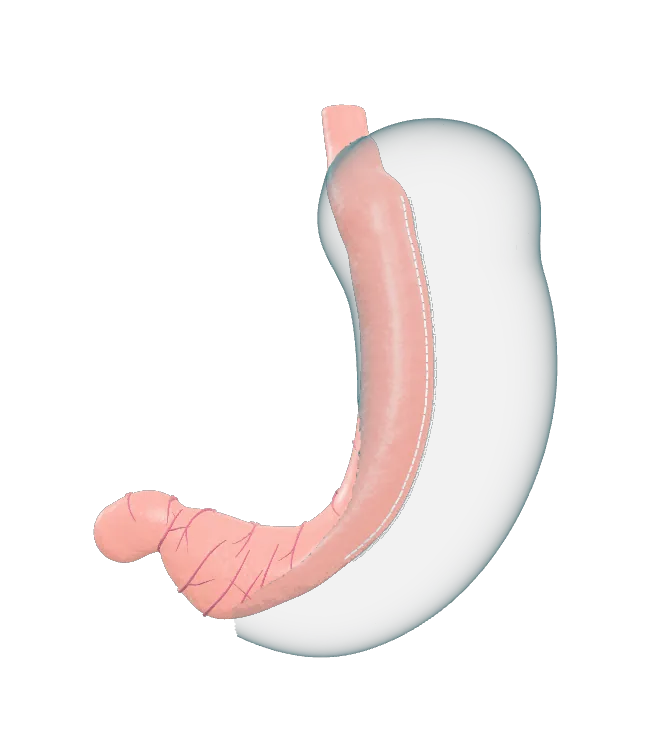
A gastric sleeve removes about 80% of the stomach. You feel full with much less food, and levels of some hunger hormones change. It is one operation, followed by daily vitamins and follow-up for life.
In a large US study of more than 65,000 people, average total weight loss was about 25% of starting weight one year after a sleeve and about 19% at five years. In the Finnish SLEEVEPASS trial, people had kept off about 44% of their excess weight ten years after a sleeve (median). You can read more in How effective is a gastric sleeve?
Surgery has its own risks and a recovery period, which your surgeon explains at a consultation. Long trials that compare these medicines and a sleeve head to head, over many years, are still limited.
Medicines and surgery are not rivals. Depending on your health, your doctor may suggest:
If you take one of these medicines and are planning surgery, tell your surgical team. Because they slow stomach emptying, your team will tell you whether and when to pause the medicine before anesthesia.
General information, not medical advice. Results and recovery differ from person to person; a surgeon assesses what applies to you at your consultation.
Ask our team at a free consultation, in person in North York or online.
A free consultation, in person in North York or online. Meet the team, ask anything and leave with a clear plan and price.
(416) 360-7360 sleeve@clinic360.com 1131A Leslie St #300, Toronto, ON M3C 3L8
Hi, I am the 360 Sleeve assistant. I answer from the clinic's own information: procedures, prices, financing, recovery, aftercare and visits. What would you like to know?
Automated answers, not medical advice.
1131A Leslie St #300, Toronto, ON M3C 3L8. Monday to Friday, 9 am to 5 pm.
A patient care coordinator will call you to confirm. If it is urgent, call (416) 360-7360.
1131A Leslie St #300, Toronto, ON M3C 3L8. Monday to Friday, 9 am to 5 pm.