Fig. 1
Gastric sleeve
Home the same day, for most
Reflux or type 2 diabetes
Higher BMI or type 2 diabetes
No incisions
TORe price; other revisions are priced after a review
After an earlier procedure
360 Complete Care
Six years of aftercare come with every sleeve.
Eating after surgery
Your 6-year plan
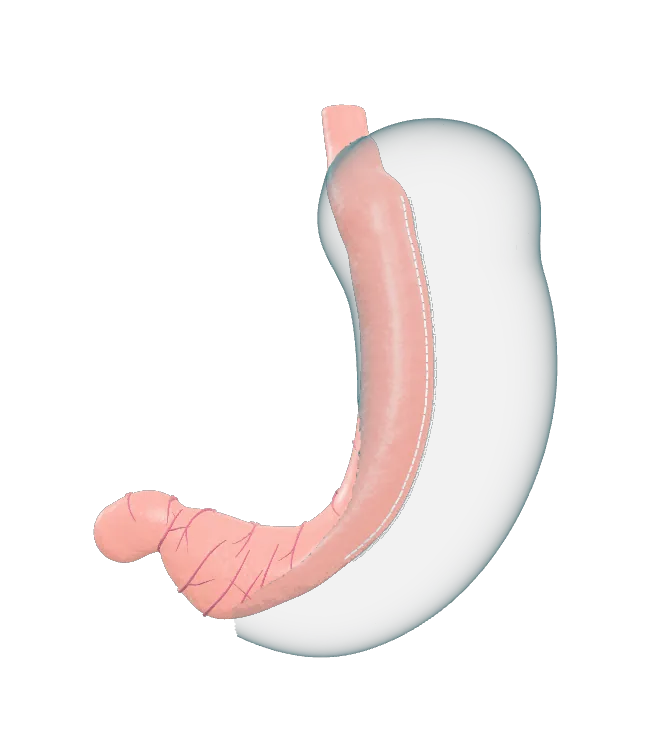 The 3D procedure labFive procedures, step by step. Turn the model, switch on x-ray and follow the path food takes.Open the 3D lab
Tools and guides
Six short videos, about 11 minutes in all: a walk through the clinic, the sleeve step by step and answers to common questions.
Watch the videos Clinic 360 on YouTubeFrom the blog
Surgeons
 Dr. Kashif IrshadBariatric surgeon
 Dr. Ali HazratiBariatric surgeon
 Dr. Gary GammeBariatric and endoscopic surgeon
 Dr. Adam SchofieldUpper GI and bariatric surgeon
Care team
 Yolanda AlbinoSurgical Care Nurse
 Natalie BeanClinical Nutrition Specialist
 Melody HajipourRegistered Dietitian
 Fonda ZettlerEmotional Support Specialist
 Sharmaine LopezPatient Care Coordinator
 Courtnie ChaplainClinic Manager
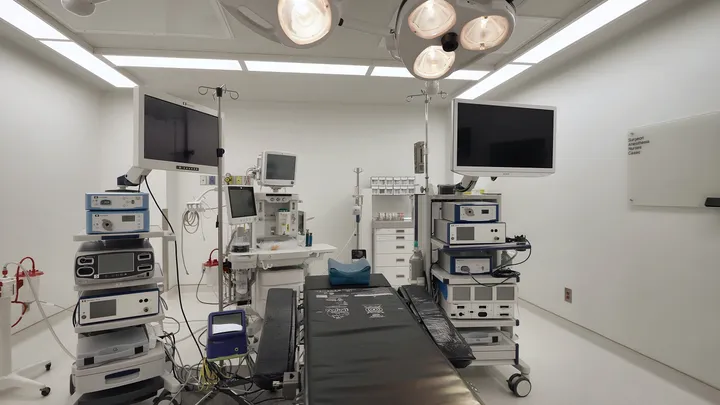 Our surgical facilityTwo operating rooms, 10 recovery beds, 1131A Leslie St #300, Toronto, ON M3C 3L8Take the virtual tour
Patient journey New
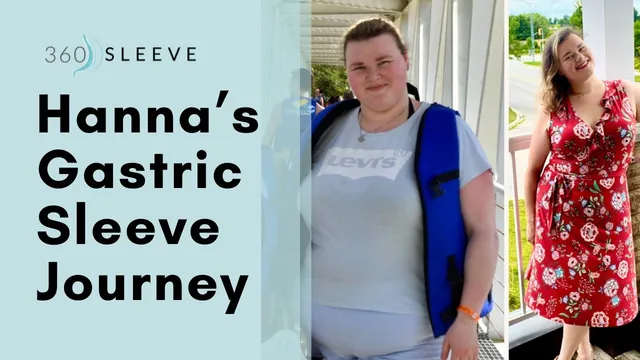
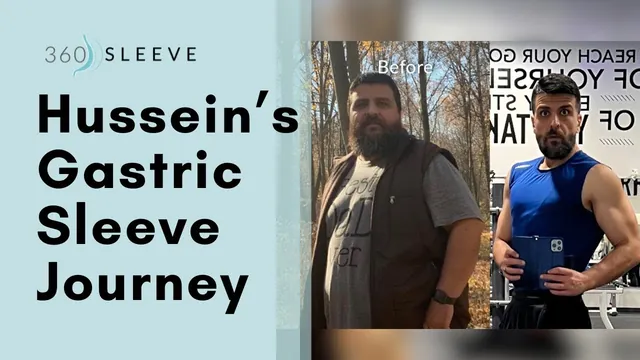
Six patients of 360 Sleeve share their journeys to a gastric sleeve, five of them on video. Watch, read, and find the one closest to yours.
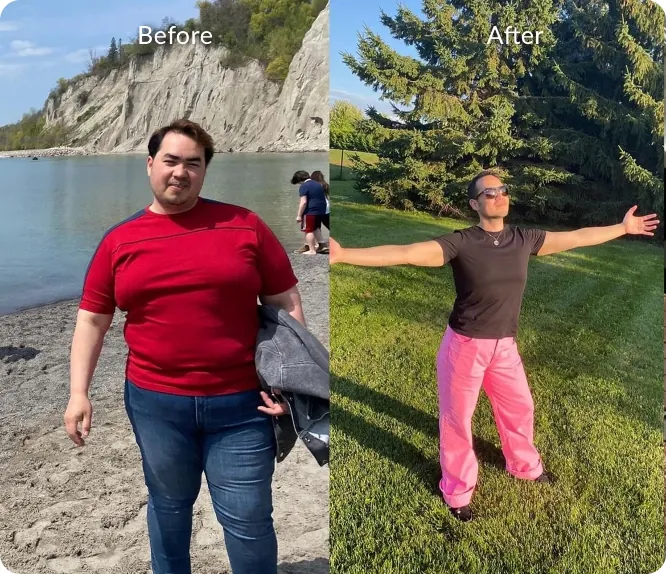
All patient journeys Before and after photosHow BMI is worked out, which BMI ranges Canadian and international guidelines use for weight-loss surgery, what changed in Ontario's public program in 2026, and why BMI is only a starting point.
Published February 13, 2026

In short
BMI is usually the first number anyone looks at when you ask about weight-loss surgery. It is a useful starting point, but only one part of the picture. Here is how BMI is worked out, what the guidelines say, and what else your surgeon considers.
Body mass index (BMI) is your weight in kilograms divided by your height in metres, squared. For example, someone who is 1.70 m tall and weighs 105 kg has a BMI of about 36.3 (105 ÷ 2.89). Someone who is 5 ft 6 in tall and weighs 240 lb has a BMI of about 38.7.
Health Canada uses these categories for adults. The risk of health problems goes up with each step:
Weight-related conditions include type 2 diabetes, high blood pressure, heart disease, sleep apnea and acid reflux, among others.
In Ontario, publicly funded weight-loss surgery goes through the Ontario Bariatric Network, a group of 11 bariatric centres, after a referral from a doctor. Since April 23, 2026, the network's criteria for a surgery referral are:
Surgery at 360 Sleeve is private, so OHIP does not cover it, and you do not need a referral to book a free consultation.
BMI is not a direct measure of body fat. Health Canada notes that it may overestimate or underestimate health risk in some groups, such as very muscular adults, adults over 65, young adults who are still growing and some ethnic groups.
Canadian obesity guidelines describe obesity as a chronic disease in which excess body fat harms health, and say that BMI on its own is not an accurate way to find weight-related health problems. Measuring your waist along with your BMI can add useful information.
At a consultation, your surgeon looks at your BMI together with:
International guidelines also say there is no evidence for an upper age limit: frailty and overall health matter more than age alone. They also found no evidence to support requiring weight loss before surgery just to qualify. This is different from the short liver-shrinking diet many programs use in the weeks right before surgery.
General information, not medical advice. Results and recovery differ from person to person; a surgeon assesses what applies to you at your consultation.
Ask our team at a free consultation, in person in North York or online.
A free consultation, in person in North York or online. Meet the team, ask anything and leave with a clear plan and price.
(416) 360-7360 sleeve@clinic360.com 1131A Leslie St #300, Toronto, ON M3C 3L8
Hi, I am the 360 Sleeve assistant. I answer from the clinic's own information: procedures, prices, financing, recovery, aftercare and visits. What would you like to know?
Automated answers, not medical advice.
1131A Leslie St #300, Toronto, ON M3C 3L8. Monday to Friday, 9 am to 5 pm.
A patient care coordinator will call you to confirm. If it is urgent, call (416) 360-7360.
1131A Leslie St #300, Toronto, ON M3C 3L8. Monday to Friday, 9 am to 5 pm.