Fig. 1
Gastric sleeve
Home the same day, for most
Home the same day, for most
Reflux or type 2 diabetes
Higher BMI or type 2 diabetes
No incisions
TORe price; other revisions are priced after a review
After an earlier procedure
360 Complete Care
Six years of aftercare come with every sleeve.
Eating after surgery
Your 6-year plan
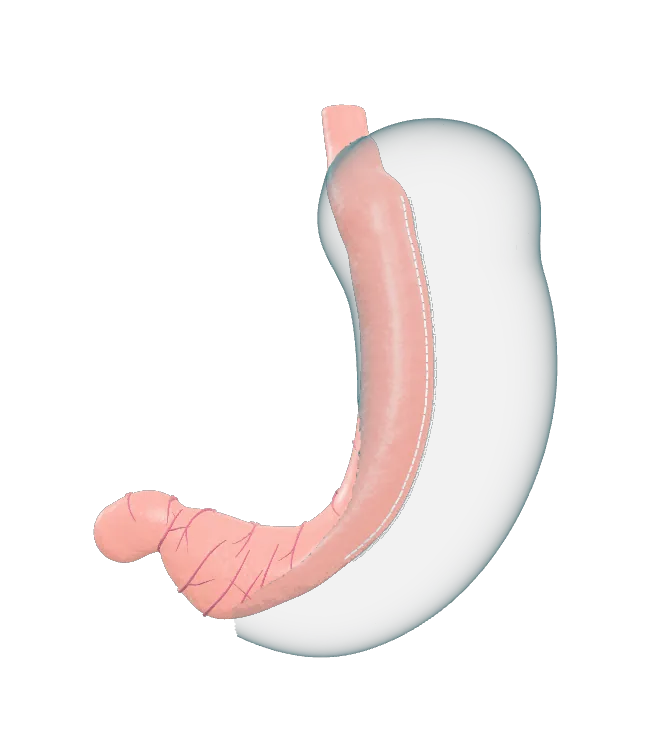 The 3D procedure labFive procedures, step by step. Turn the model, switch on x-ray and follow the path food takes.Open the 3D lab
Tools and guides
Six short videos, about 11 minutes in all: a walk through the clinic, the sleeve step by step and answers to common questions.
Watch the videos Clinic 360 on YouTubeFrom the blog
Surgeons
 Dr. Kashif IrshadBariatric surgeon
 Dr. Ali HazratiBariatric surgeon
 Dr. Gary GammeBariatric and endoscopic surgeon
 Dr. Adam SchofieldUpper GI and bariatric surgeon
Care team
 Yolanda AlbinoSurgical Care Nurse
 Natalie BeanClinical Nutrition Specialist
 Sharmaine LopezPatient Care Coordinator
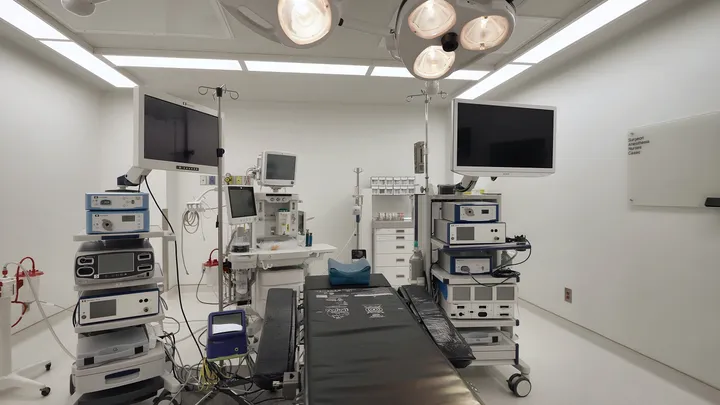 Our surgical facilityTwo operating rooms, 10 recovery beds, 1131A Leslie St #300, Toronto, ON M3C 3L8Take the virtual tour
Why most programs ask for a short, low-calorie diet before a gastric sleeve, what it usually looks like, what studies show about the liver, and how to get through it.
Published February 21, 2026

In short
A few weeks before your gastric sleeve, your care team asks you to change how you eat. It can feel like a test of willpower right before a big day. It is really a medical step, with a clear reason: your liver.
Your liver sits just above and in front of your stomach. Fatty liver disease is common in people living with obesity: fat builds up in the liver, which makes it bigger and heavier. During a sleeve, the surgeon has to lift the liver gently to reach the stomach. A large, heavy liver is harder to move and can make the operation more difficult.
A short diet that is low in calories, sugar and starch makes the liver smaller, often within about two weeks. That gives your surgeon more room to work.
Not every study agrees about complications. The review of nine studies found no clear drop in complications overall. So the main proven benefits are a smaller liver and an operation that is easier to do.
Canadian guidelines describe a liquid-based, low-calorie diet for two to three weeks before surgery, often with protein shakes that add up to about 650 to 900 calories a day. Plans differ between programs and between people. At 360 Sleeve, your dietitian sets your plan with you.
The diet also gives you a head start on habits you will use after surgery: sipping fluids through the day, planning meals and putting protein first.
A sudden drop in calories changes how some medicines work. Canadian guidelines say people with diabetes need to check their blood sugar closely during the diet and get clear instructions on adjusting their diabetes medicines, because the need for some of them, such as insulin, can drop a lot. Blood pressure medicines and water pills may need changes too.
Never stop or change a prescribed medicine on your own. Ask your team for a written plan before the diet starts.
Mild side effects that pass with time can happen on this kind of diet. Tell your dietitian honestly how it is going. If something is not working, your team would rather know, so they can help.
General information, not medical advice. Results and recovery differ from person to person; a surgeon assesses what applies to you at your consultation.
Ask our team at a free consultation, in person in North York or online.
A free consultation, in person in North York or online. Meet the team, ask anything and leave with a clear plan and price.
(416) 360-7360 sleeve@clinic360.com 1131A Leslie St #300, Toronto, ON M3C 3L8
Hi, I am the 360 Sleeve assistant. I answer from the clinic's own information: procedures, prices, financing, recovery, aftercare and visits. What would you like to know?
Automated answers, not medical advice.
1131A Leslie St #300, Toronto, ON M3C 3L8. Monday to Friday, 9 am to 5 pm.
A patient care coordinator will call you to confirm. If it is urgent, call (416) 360-7360.
1131A Leslie St #300, Toronto, ON M3C 3L8. Monday to Friday, 9 am to 5 pm.