Fig. 1
Gastric sleeve
Home the same day, for most
Home the same day, for most
Reflux or type 2 diabetes
Higher BMI or type 2 diabetes
No incisions
TORe price; other revisions are priced after a review
After an earlier procedure
360 Complete Care
Six years of aftercare come with every sleeve.
Eating after surgery
Your 6-year plan
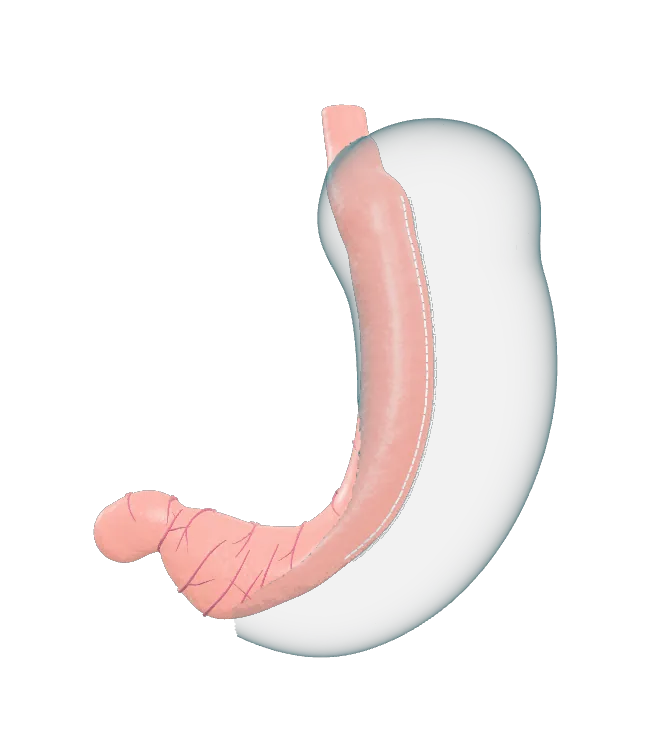 The 3D procedure labFive procedures, step by step. Turn the model, switch on x-ray and follow the path food takes.Open the 3D lab
Tools and guides
Six short videos, about 11 minutes in all: a walk through the clinic, the sleeve step by step and answers to common questions.
Watch the videos Clinic 360 on YouTubePatient journey New
From the blog
Surgeons
 Dr. Kashif IrshadBariatric surgeon
 Dr. Ali HazratiBariatric surgeon
 Dr. Gary GammeBariatric and endoscopic surgeon
 Dr. Adam SchofieldUpper GI and bariatric surgeon
Care team
 Yolanda AlbinoSurgical Care Nurse
 Natalie BeanClinical Nutrition Specialist
 Sharmaine LopezPatient Care Coordinator
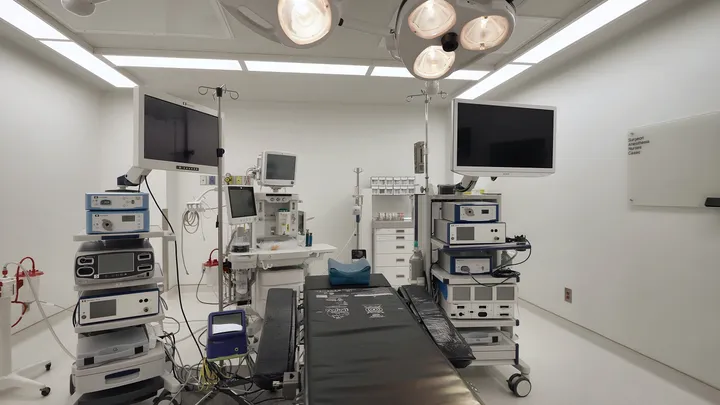 Our surgical facilityTwo operating rooms, 10 recovery beds, 1131A Leslie St #300, Toronto, ON M3C 3L8Take the virtual tour
Loose skin is a normal part of a large weight loss. What strength training can and cannot do for it, how to start safely after surgery, and when to talk about other options.
Published February 17, 2026
In short
Will I have loose skin? How much? Can clothes hide it? Will it change my personal life? These are some of the most common questions people ask before weight-loss surgery, and they are fair ones. For some people, surgery to remove skin is the right answer later on. For many, regular strength training is part of the picture too.
When you lose a lot of weight, skin that was stretched for years does not always shrink back. How much loose skin you have depends on your age, your genes, how much weight you lose and how long you carried it. It is common, and it is nothing to be ashamed of.
Muscle sits under the skin. It can fill out the shape of an area, but it cannot tighten skin that has been stretched a lot, especially on the belly. If loose skin causes rashes, gets in the way of movement or bothers you, surgery is the only way to remove it.
Compound exercises work several muscle groups at once. A squat, for example, works your thighs and buttocks, and also your core, the backs of your legs and your lower back.
Think of building a house. A few workers on the windows finish the windows, but the rest of the house waits. A full crew working on the whole house gets more done. Compound exercises are the full crew.
Seven common compound exercises, each with a gentler way to begin:
Healing comes first, and every plan is personal, so follow what your surgeon and team tell you. As a general guide:
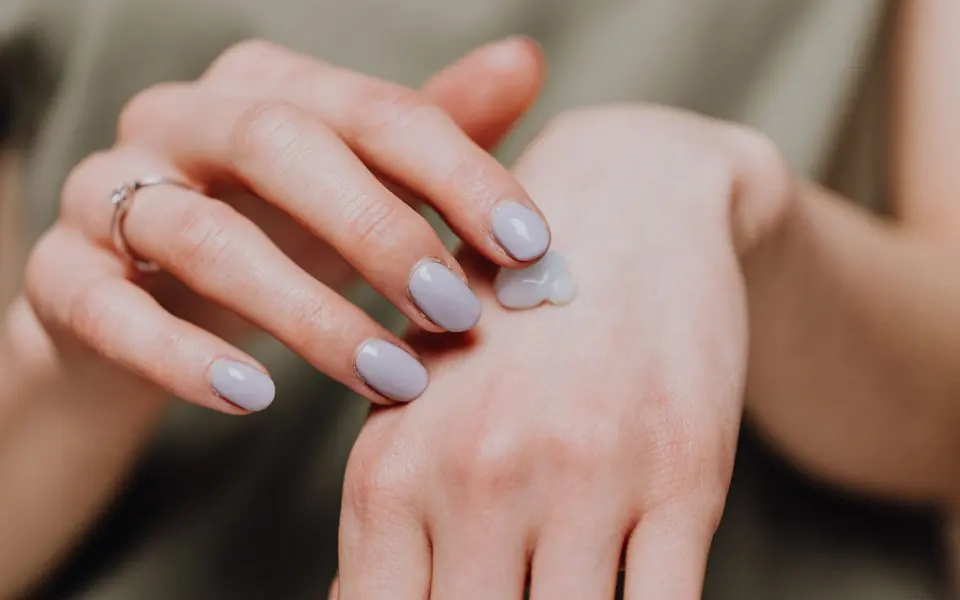
Moisturizer, sunscreen and not smoking can help your skin feel more comfortable and stay healthy. They will not tighten loose skin, but they are worth the habit.
General information, not medical advice. Results and recovery differ from person to person; a surgeon assesses what applies to you at your consultation.
Ask our team at a free consultation, in person in North York or online.
A free consultation, in person in North York or online. Meet the team, ask anything and leave with a clear plan and price.
(416) 360-7360 sleeve@clinic360.com 1131A Leslie St #300, Toronto, ON M3C 3L8
Hi, I am the 360 Sleeve assistant. I answer from the clinic's own information: procedures, prices, financing, recovery, aftercare and visits. What would you like to know?
Automated answers, not medical advice.
1131A Leslie St #300, Toronto, ON M3C 3L8. Monday to Friday, 9 am to 5 pm.
A patient care coordinator will call you to confirm. If it is urgent, call (416) 360-7360.
1131A Leslie St #300, Toronto, ON M3C 3L8. Monday to Friday, 9 am to 5 pm.

