Fig. 1
Gastric sleeve
Home the same day, for most
Home the same day, for most
Reflux or type 2 diabetes
Higher BMI or type 2 diabetes
No incisions
TORe price; other revisions are priced after a review
After an earlier procedure
360 Complete Care
Six years of aftercare come with every sleeve.
Eating after surgery
Your 6-year plan
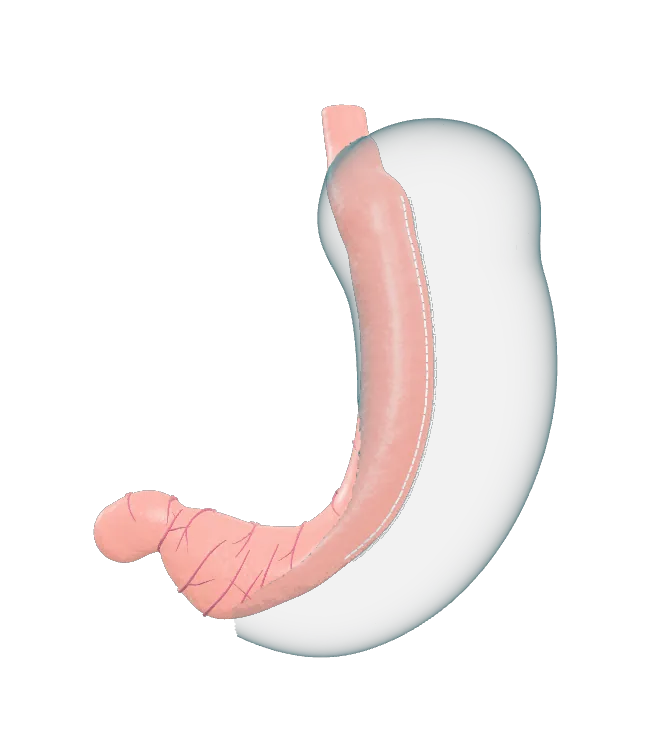 The 3D procedure labFive procedures, step by step. Turn the model, switch on x-ray and follow the path food takes.Open the 3D lab
Tools and guides
Six short videos, about 11 minutes in all: a walk through the clinic, the sleeve step by step and answers to common questions.
Watch the videos Clinic 360 on YouTubeFrom the blog
Surgeons
 Dr. Kashif IrshadBariatric surgeon
 Dr. Ali HazratiBariatric surgeon
 Dr. Gary GammeBariatric and endoscopic surgeon
 Dr. Adam SchofieldUpper GI and bariatric surgeon
Care team
 Yolanda AlbinoSurgical Care Nurse
 Natalie BeanClinical Nutrition Specialist
 Sharmaine LopezPatient Care Coordinator
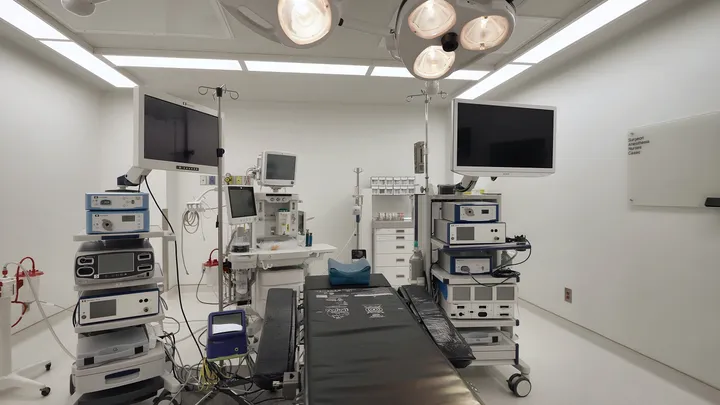 Our surgical facilityTwo operating rooms, 10 recovery beds, 1131A Leslie St #300, Toronto, ON M3C 3L8Take the virtual tour
After a sleeve, how you eat matters as much as what you eat. Simple ways to slow down, notice hunger and fullness, eat with fewer distractions and tell hunger from emotional eating.
Published July 18, 2026

In short
After a gastric sleeve, your stomach holds much less, and fullness can arrive quickly. Eating too fast or too much can bring pressure, pain, nausea or vomiting. Mindful eating is a simple way to work with your new stomach: you slow down and pay attention to what your body tells you, before, during and after a meal.
Mindful eating is not a diet, and no food is forbidden. It means noticing why you are eating, how hungry you are, how the food tastes and smells, and when you have had enough. Guidelines for life after bariatric surgery already include parts of it: eat small meals, take small bites, and chew them thoroughly before you swallow.
A hunger and fullness scale from 1 to 10 can help. On the scale from Alberta Health Services, 1 means extremely hungry, weak or dizzy, and 10 means so full you feel sick. It suggests starting to eat around 3 to 4, when hunger starts, and stopping around 5 to 6, when you feel satisfied and comfortable.
After a sleeve, the signals may feel different from before, and fullness can come on suddenly. Stop at the first sign that you have had enough, even if there is food left. In the first months, appetite is often low, so your team may ask you to eat on a schedule rather than by hunger, to get enough protein and fluids.
Sometimes we eat to manage feelings rather than hunger: stress, boredom, sadness, or even celebration. Some emotional eating is normal. It becomes a problem when you often eat more than you want or need, or feel out of control around food.
Before you eat outside a planned meal or snack, ask yourself: is this hunger, or is something else going on? If it is something else, try a short walk, a call to a friend or writing down what you feel. In a small pilot trial of 18 people one to five years after bariatric surgery, a 10-week mindfulness program reduced emotional eating at six months, though it did not change weight. Larger studies are still needed.
Talk to your care team if you often eat until you are uncomfortably full, vomit after meals, feel guilty or out of control around food, or find that food is still your main way to cope. These are common, and you can work on them with your dietitian, a counsellor or a support group such as 360 Community. Asking early makes a difference.
General information, not medical advice. Results and recovery differ from person to person; a surgeon assesses what applies to you at your consultation.
Ask our team at a free consultation, in person in North York or online.
A free consultation, in person in North York or online. Meet the team, ask anything and leave with a clear plan and price.
(416) 360-7360 sleeve@clinic360.com 1131A Leslie St #300, Toronto, ON M3C 3L8
Hi, I am the 360 Sleeve assistant. I answer from the clinic's own information: procedures, prices, financing, recovery, aftercare and visits. What would you like to know?
Automated answers, not medical advice.
1131A Leslie St #300, Toronto, ON M3C 3L8. Monday to Friday, 9 am to 5 pm.
A patient care coordinator will call you to confirm. If it is urgent, call (416) 360-7360.
1131A Leslie St #300, Toronto, ON M3C 3L8. Monday to Friday, 9 am to 5 pm.