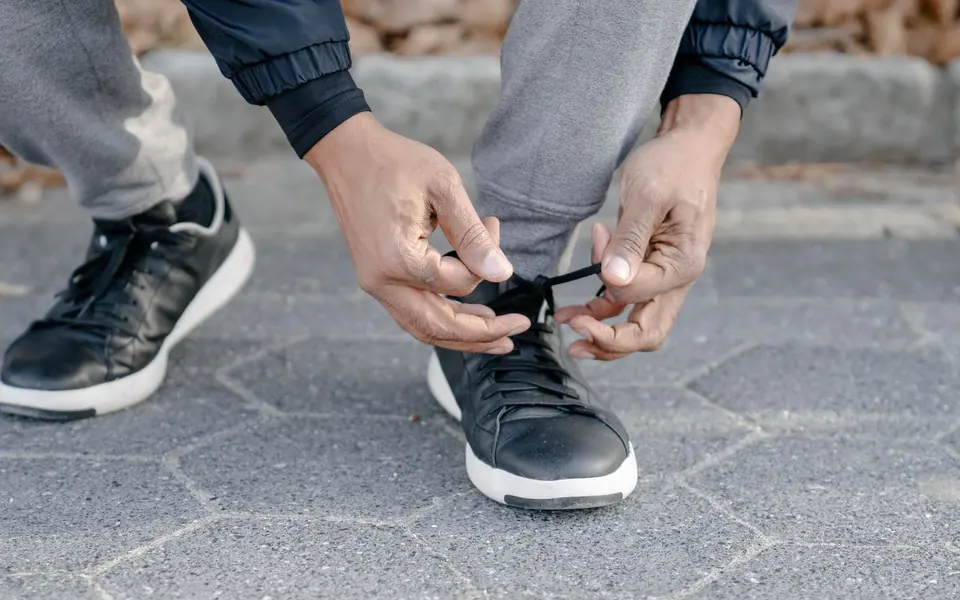
Fig. 1
Gastric sleeve
Home the same day, for most
Home the same day, for most
Reflux or type 2 diabetes
Higher BMI or type 2 diabetes
No incisions
TORe price; other revisions are priced after a review
After an earlier procedure
360 Complete Care
Six years of aftercare come with every sleeve.
Eating after surgery
Your 6-year plan
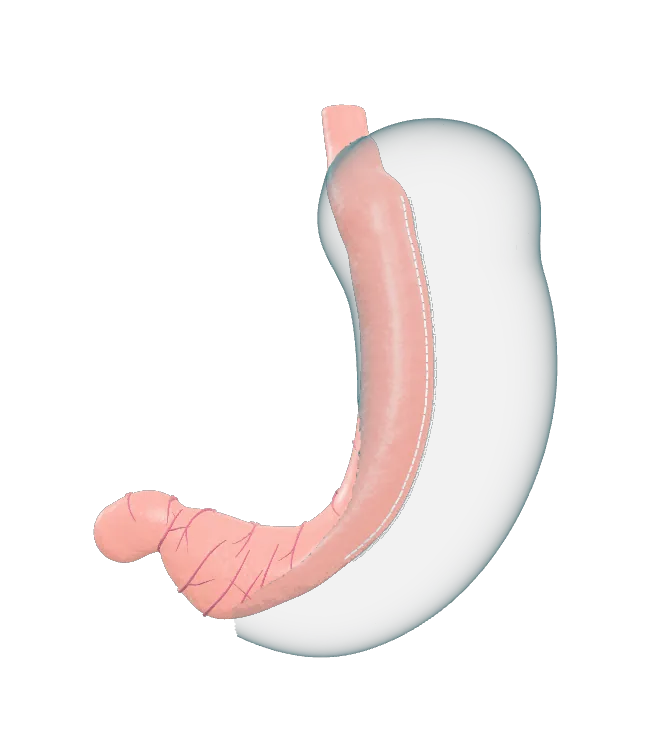 The 3D procedure labFive procedures, step by step. Turn the model, switch on x-ray and follow the path food takes.Open the 3D lab
Tools and guides
Six short videos, about 11 minutes in all: a walk through the clinic, the sleeve step by step and answers to common questions.
Watch the videos Clinic 360 on YouTubeFrom the blog
Surgeons
 Dr. Kashif IrshadBariatric surgeon
 Dr. Ali HazratiBariatric surgeon
 Dr. Gary GammeBariatric and endoscopic surgeon
 Dr. Adam SchofieldUpper GI and bariatric surgeon
Care team
 Yolanda AlbinoSurgical Care Nurse
 Natalie BeanClinical Nutrition Specialist
 Sharmaine LopezPatient Care Coordinator
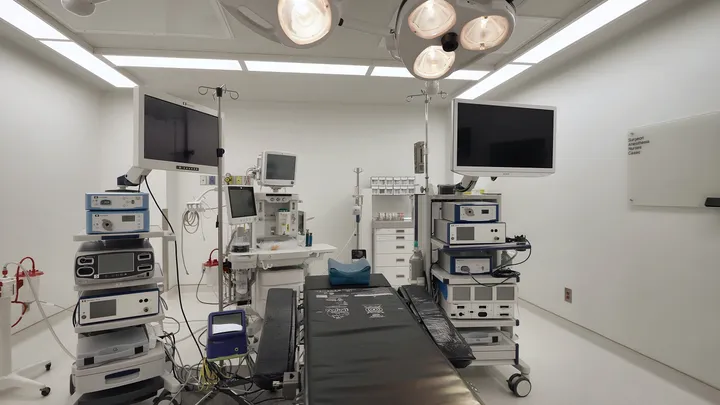 Our surgical facilityTwo operating rooms, 10 recovery beds, 1131A Leslie St #300, Toronto, ON M3C 3L8Take the virtual tour
Why caffeine is usually paused after a sleeve, who decides when it can come back, how much caffeine common drinks contain, and how coffee can affect the iron you absorb from food.
Published June 7, 2026

In short
For many people, the morning coffee is a ritual, not just a drink. So a common question before surgery is whether you can still have coffee after a gastric sleeve. The answer depends on where you are in your recovery and on what your care team advises. Here is what the guidelines say, and why.
Right after surgery, your new stomach is healing, and your main jobs are to sip enough fluid and get your protein in. Canadian guidelines for care after bariatric surgery advise avoiding caffeinated drinks, because caffeine can increase the risk of ulcers. The 2019 American guidelines summarize advice from several expert groups: the first clear fluids after surgery are free of caffeine, carbonation and alcohol, and caffeine is on the list of things to avoid or delay.
Caffeine can also have side effects. Health Canada lists trouble sleeping, irritability, headaches and nervousness. And a large coffee can take up room that your water and protein need.
There is no single date for everyone. Your team looks at your healing, how well you keep up with fluids, symptoms such as heartburn, and your other health conditions. Some people are advised to keep caffeine out for longer, or for good.
Until your team says otherwise, decaf coffee and herbal tea let you keep the ritual. Decaf is not completely free of caffeine, but Health Canada lists about 3 mg in a cup of decaf coffee, compared with about 135 mg in a cup of brewed coffee.
Health Canada's average values for an 8 oz (237 mL) cup:
Café cups are often larger than 8 oz, so one cup can hold much more. Health Canada's limit for healthy adults is 400 mg a day, and 300 mg for people who are pregnant, breastfeeding or planning a pregnancy. These are upper limits for the general population, not a target. After a sleeve, follow what your team advises for you.
Keeping your iron up is part of long-term care after a sleeve. In a classic study in adults who had not had surgery, a cup of coffee with a meal lowered the iron absorbed from that meal by 39%, and tea lowered it by 64%. Coffee taken an hour before the meal had no effect, but coffee an hour after the meal still lowered it.
If coffee or tea becomes part of your day again, ask your dietitian how to time it around your meals, your multivitamin and any iron you take.
General information, not medical advice. Results and recovery differ from person to person; a surgeon assesses what applies to you at your consultation.
Ask our team at a free consultation, in person in North York or online.
A free consultation, in person in North York or online. Meet the team, ask anything and leave with a clear plan and price.
(416) 360-7360 sleeve@clinic360.com 1131A Leslie St #300, Toronto, ON M3C 3L8
Hi, I am the 360 Sleeve assistant. I answer from the clinic's own information: procedures, prices, financing, recovery, aftercare and visits. What would you like to know?
Automated answers, not medical advice.
1131A Leslie St #300, Toronto, ON M3C 3L8. Monday to Friday, 9 am to 5 pm.
A patient care coordinator will call you to confirm. If it is urgent, call (416) 360-7360.
1131A Leslie St #300, Toronto, ON M3C 3L8. Monday to Friday, 9 am to 5 pm.