Fig. 1
Gastric sleeve
Home the same day, for most
Home the same day, for most
Reflux or type 2 diabetes
Higher BMI or type 2 diabetes
No incisions
TORe price; other revisions are priced after a review
After an earlier procedure
360 Complete Care
Six years of aftercare come with every sleeve.
Eating after surgery
Your 6-year plan
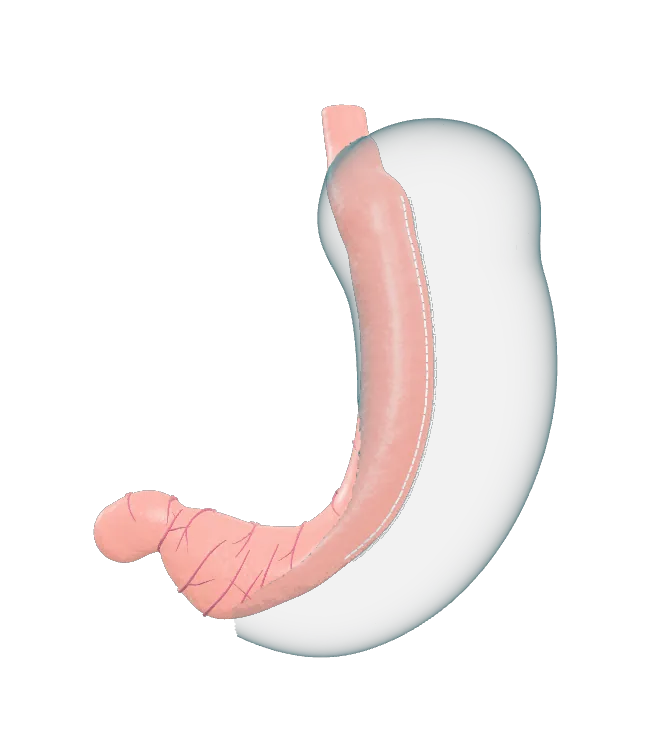 The 3D procedure labFive procedures, step by step. Turn the model, switch on x-ray and follow the path food takes.Open the 3D lab
Tools and guides
Six short videos, about 11 minutes in all: a walk through the clinic, the sleeve step by step and answers to common questions.
Watch the videos Clinic 360 on YouTubeFrom the blog
Surgeons
 Dr. Kashif IrshadBariatric surgeon
 Dr. Ali HazratiBariatric surgeon
 Dr. Gary GammeBariatric and endoscopic surgeon
 Dr. Adam SchofieldUpper GI and bariatric surgeon
Care team
 Yolanda AlbinoSurgical Care Nurse
 Natalie BeanClinical Nutrition Specialist
 Sharmaine LopezPatient Care Coordinator
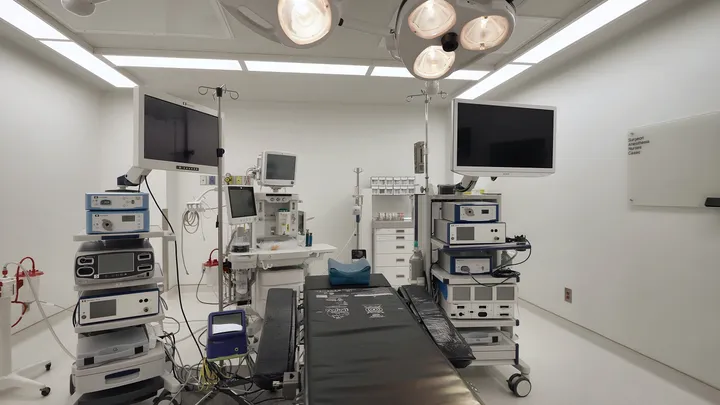 Our surgical facilityTwo operating rooms, 10 recovery beds, 1131A Leslie St #300, Toronto, ON M3C 3L8Take the virtual tour
How activity usually builds after a gastric sleeve, from short walks to cardio and strength training, what Canadian guidelines suggest long term and the signs that mean stop.
Published June 13, 2026
In short
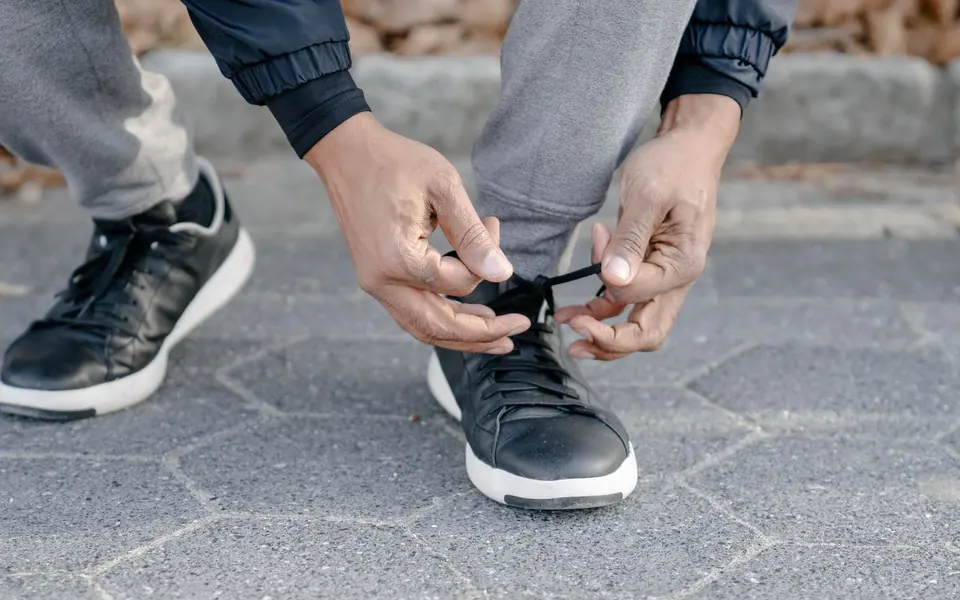
Moving your body is one of the habits that matter a lot after a gastric sleeve. It helps you keep your strength while you lose weight, supports your heart, mood and sleep, and makes everyday life easier. What counts is a gentle start and small steps up. Here is how activity often grows over the first months. Your care team confirms each step for you.
Walk as soon as you are home, and a little more each day. Short walks around your home or outside help prevent blood clots, ease gas pain and lift your energy. Many people build up to about 20 minutes, twice a day, by the end of the first week. Go at a pace where you can still talk easily.
With your team's OK, you can add gentle moves that build strength and flexibility, such as stretching, leg lifts, shoulder rolls or beginner yoga. Keep walking every day, and make your walks a little longer or a little more frequent.
Your surgeon usually checks how you are healing a few weeks after surgery. Once you are cleared, you can start to raise your heart rate with brisk walking, cycling, an elliptical or, once your incisions have healed, swimming. A good goal for this stage is about 30 minutes of moderate cardio, 3 times a week. Moderate means you breathe harder but can still talk.
You are still eating very little, so your energy can run low. Sip fluids before and after activity, keep sessions short at first and stop if you feel dizzy or weak.
Strength training helps you hold on to muscle while you lose weight. Start light, with your own body weight, light hand weights or resistance bands, and build up slowly. Sitting down to a chair and standing up again, lunges, wall push-ups and step-ups are good places to start. Aim for 2 to 3 sessions a week, with a rest day in between.
Learning the right form early helps you avoid injury. A physiotherapist, a kinesiologist or a certified trainer who knows about bariatric surgery can show you how.
Around 3 months after surgery, gentle core and abdominal exercises can usually start. From here, activity becomes part of your everyday life.
What does exercise add? A 2021 review of controlled trials found that exercise training after bariatric surgery improved fitness and muscle strength and led to a small extra weight loss, about 1.8 kg on average. Early evidence suggests it may also help protect bone and help people keep weight off.
Choose activities you enjoy, so you keep doing them: walking with a friend, dancing, cycling, swimming, a class or a sport. A fitness tracker or a simple notebook can help you see your progress.
Stop and call your care team if activity brings on any of these:
For chest pain or trouble breathing, call 911.
General information, not medical advice. Results and recovery differ from person to person; a surgeon assesses what applies to you at your consultation.
Ask our team at a free consultation, in person in North York or online.
A free consultation, in person in North York or online. Meet the team, ask anything and leave with a clear plan and price.
(416) 360-7360 sleeve@clinic360.com 1131A Leslie St #300, Toronto, ON M3C 3L8
Hi, I am the 360 Sleeve assistant. I answer from the clinic's own information: procedures, prices, financing, recovery, aftercare and visits. What would you like to know?
Automated answers, not medical advice.
1131A Leslie St #300, Toronto, ON M3C 3L8. Monday to Friday, 9 am to 5 pm.
A patient care coordinator will call you to confirm. If it is urgent, call (416) 360-7360.
1131A Leslie St #300, Toronto, ON M3C 3L8. Monday to Friday, 9 am to 5 pm.