Fig. 1
Gastric sleeve
Home the same day, for most
Reflux or type 2 diabetes
Higher BMI or type 2 diabetes
No incisions
TORe price; other revisions are priced after a review
After an earlier procedure
360 Complete Care
Six years of aftercare come with every sleeve.
Eating after surgery
Your 6-year plan
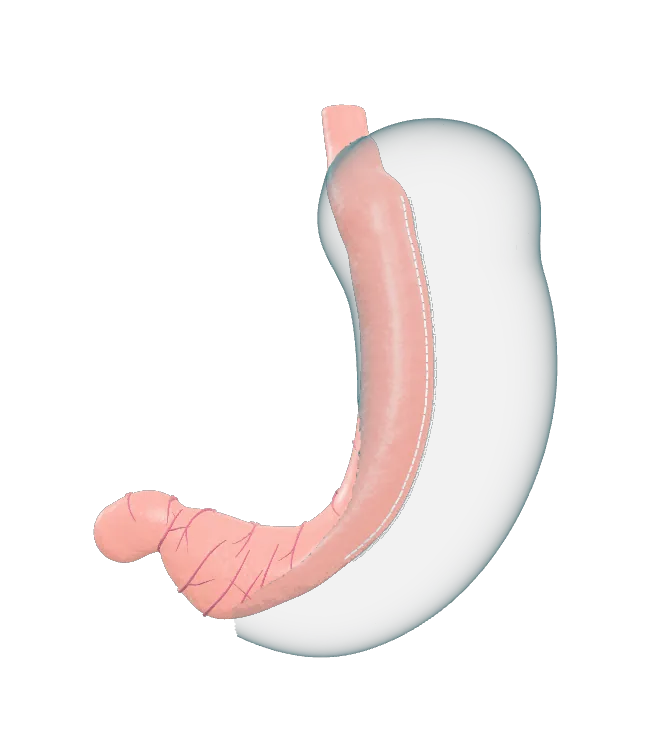 The 3D procedure labFive procedures, step by step. Turn the model, switch on x-ray and follow the path food takes.Open the 3D lab
Tools and guides
Six short videos, about 11 minutes in all: a walk through the clinic, the sleeve step by step and answers to common questions.
Watch the videos Clinic 360 on YouTubeFrom the blog
Surgeons
 Dr. Kashif IrshadBariatric surgeon
 Dr. Ali HazratiBariatric surgeon
 Dr. Gary GammeBariatric and endoscopic surgeon
 Dr. Adam SchofieldUpper GI and bariatric surgeon
Care team
 Yolanda AlbinoSurgical Care Nurse
 Natalie BeanClinical Nutrition Specialist
 Melody HajipourRegistered Dietitian
 Fonda ZettlerEmotional Support Specialist
 Sharmaine LopezPatient Care Coordinator
 Courtnie ChaplainClinic Manager
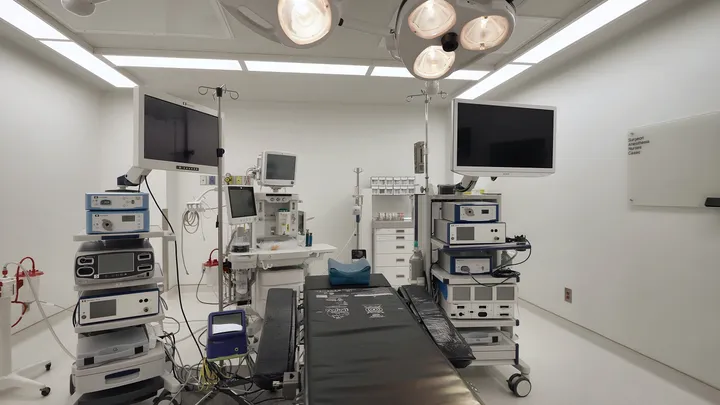 Our surgical facilityTwo operating rooms, 10 recovery beds, 1131A Leslie St #300, Toronto, ON M3C 3L8Take the virtual tour
Patient journey New
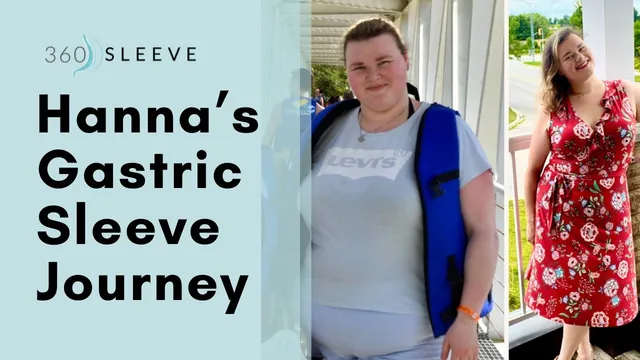
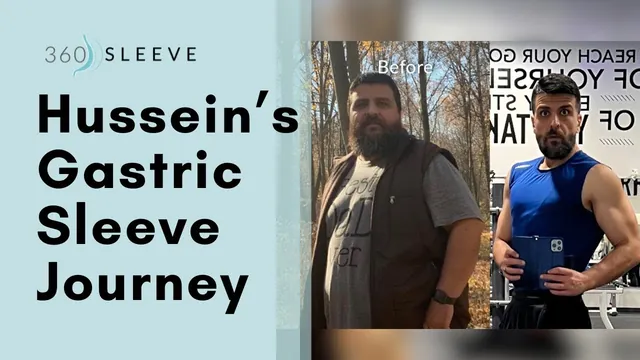
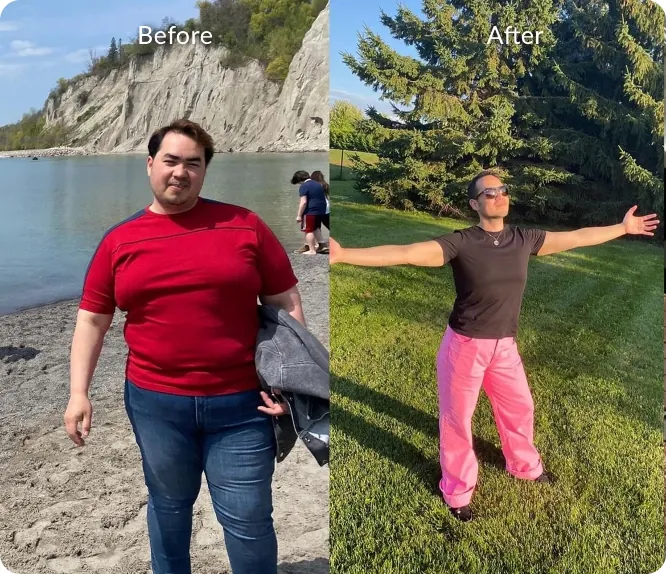
Six patients of 360 Sleeve share their journeys to a gastric sleeve, five of them on video. Watch, read, and find the one closest to yours.
All patient journeys Before and after photosWhy weight loss often stalls for a while after a gastric sleeve, what is normal in the first months and years, what to check first, and when to ask your care team for help.
Published August 19, 2026

In short
Few things are as frustrating as a scale that stops moving while you are doing what you were told. Plateaus are common after a gastric sleeve. Here is why they happen, what is normal and what you can do.
Weight loss after a sleeve does not follow a straight line. It is usually fastest in the first months, then slows down, often with stalls along the way. Researchers describe the same pattern after most kinds of weight-loss treatment: early loss, then a plateau, driven by a mix of biology, habits and surroundings.
Canadian guidelines note that the lowest weight after bariatric surgery is usually reached 1 to 2 years after surgery, often between 12 and 18 months. Weight loss then slows and stops, partly because of changes in the gut, changes in habits and metabolic adaptation. After that, some regain is normal.
A large U.S. study of nearly 30,000 people who had a sleeve found an average loss of about 25% of starting weight at 1 year and about 19% at 5 years. These are averages; your own path may look different.
Short stalls along the way, even in the first months, are common. Looking at your trend over several weeks, rather than day by day, gives a clearer picture.
When the scale stalls, start with the everyday habits your care team asks about:
Writing down what you eat and drink for a few days often shows small changes that are easy to miss.
Tell your care team if the scale has not moved for several weeks even though you follow your plan, if your weight starts to rise quickly, or if the stall is affecting your mood. If weight starts to come back, Canadian guidelines describe a step-by-step approach: first a review of your eating plan, vitamins and bloodwork, often with a dietitian; then support for mood or eating habits if needed; and further tests or other treatments only if your weight still does not change.
General information, not medical advice. Results and recovery differ from person to person; a surgeon assesses what applies to you at your consultation.
Ask our team at a free consultation, in person in North York or online.
A free consultation, in person in North York or online. Meet the team, ask anything and leave with a clear plan and price.
(416) 360-7360 sleeve@clinic360.com 1131A Leslie St #300, Toronto, ON M3C 3L8
Hi, I am the 360 Sleeve assistant. I answer from the clinic's own information: procedures, prices, financing, recovery, aftercare and visits. What would you like to know?
Automated answers, not medical advice.
1131A Leslie St #300, Toronto, ON M3C 3L8. Monday to Friday, 9 am to 5 pm.
A patient care coordinator will call you to confirm. If it is urgent, call (416) 360-7360.
1131A Leslie St #300, Toronto, ON M3C 3L8. Monday to Friday, 9 am to 5 pm.