Fig. 1
Gastric sleeve
Home the same day, for most
Home the same day, for most
Reflux or type 2 diabetes
Higher BMI or type 2 diabetes
No incisions
TORe price; other revisions are priced after a review
After an earlier procedure
360 Complete Care
Six years of aftercare come with every sleeve.
Eating after surgery
Your 6-year plan
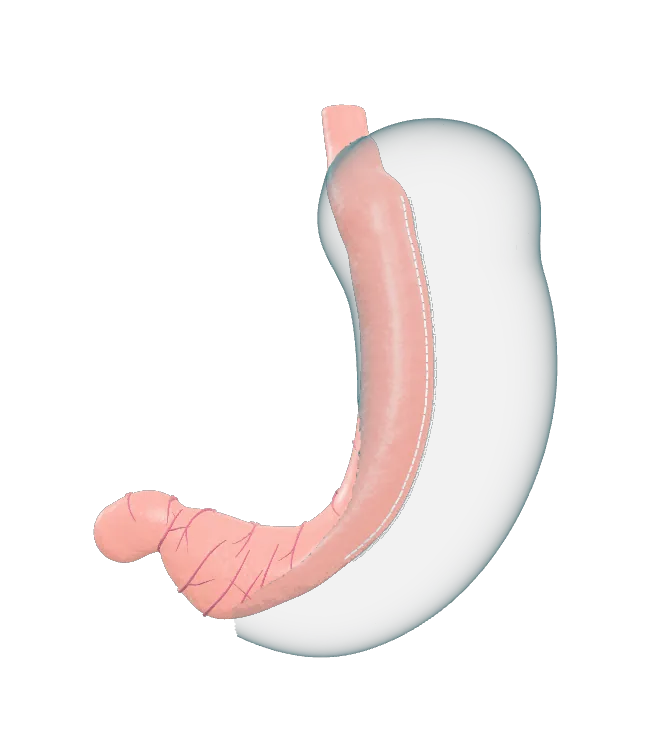 The 3D procedure labFive procedures, step by step. Turn the model, switch on x-ray and follow the path food takes.Open the 3D lab
Tools and guides
Six short videos, about 11 minutes in all: a walk through the clinic, the sleeve step by step and answers to common questions.
Watch the videos Clinic 360 on YouTubeFrom the blog
Surgeons
 Dr. Kashif IrshadBariatric surgeon
 Dr. Ali HazratiBariatric surgeon
 Dr. Gary GammeBariatric and endoscopic surgeon
 Dr. Adam SchofieldUpper GI and bariatric surgeon
Care team
 Yolanda AlbinoSurgical Care Nurse
 Natalie BeanClinical Nutrition Specialist
 Sharmaine LopezPatient Care Coordinator
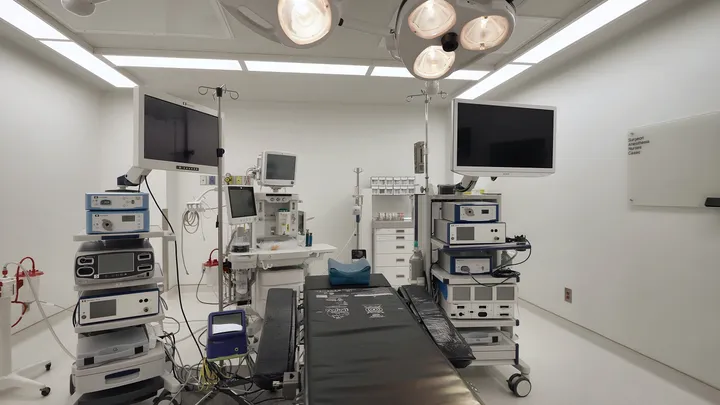 Our surgical facilityTwo operating rooms, 10 recovery beds, 1131A Leslie St #300, Toronto, ON M3C 3L8Take the virtual tour
Several procedures are used for weight loss today. Here is how each one works, who it is often discussed for and what it means for the years after, so you can come to your consultation with good questions.
Published November 7, 2026

In short
Weight-loss surgery, also called bariatric or metabolic surgery, is not one operation. Each procedure changes the stomach, the intestine or both in a different way. Canadian and international guidelines describe several accepted options. Here are the ones you are most likely to hear about.
How it works. About 80% of the stomach is removed through small incisions, leaving a narrow tube. You feel full with much less food. The removed part makes most of the hunger hormone ghrelin, and studies found lower ghrelin levels after a sleeve.
Often discussed for adults with a BMI of 35 or more, or 30 or more with metabolic disease, according to international guidelines.
The years after. In the SLEEVEPASS trial, people had kept off on average about 49% of their excess weight five years after a sleeve. Reflux can start or get worse after a sleeve, so your surgeon asks about it beforehand. Daily vitamins and yearly bloodwork are needed for life. More about the gastric sleeve
How it works. In a Roux-en-Y gastric bypass, the surgeon makes a small pouch at the top of the stomach, about the size of an egg, and joins it to a lower loop of the small intestine. Food skips most of the stomach and the first part of the intestine.
Often discussed for people who already have reflux, people living with type 2 diabetes, or a higher BMI.
The years after. In two long-term trials that compared it with a sleeve, weight loss at five years was similar or somewhat greater after a bypass, and reflux was less common. A bypass calls for lifelong vitamins, and smoking and anti-inflammatory pain medicines need to be avoided. Gastric bypass vs gastric sleeve
How it works. SADI-S starts with a sleeve. The first part of the intestine is then divided just past the stomach and joined to a lower loop of intestine with one single connection. Food and digestive juices meet only for the last stretch.
Often discussed for a higher BMI, type 2 diabetes, or as a second step after a sleeve.
The years after. The American Society for Metabolic and Bariatric Surgery recognizes SADI-S as an appropriate procedure and calls for more long-term data. Absorption of some nutrients, including vitamins A, D, E and K, is reduced, so vitamins and bloodwork are checked more closely. Some people have more frequent or loose bowel movements. More about SADI-S
How it works. A flexible endoscope passes through the mouth into the stomach. Stitches placed from the inside fold the stomach into a narrower shape. There are no incisions and nothing is removed, and most people go home the same day.
Often discussed for people with a BMI of about 30 to 40 who want a less invasive option, or who are not ready for surgery.
The years after. In the MERIT trial, people with a BMI of 30 to 40 lost on average 13.6% of their weight one year after ESG, compared with 0.8% with lifestyle changes alone. Most of those who had a good result at one year kept it at two years. More about ESG
Sometimes an earlier procedure needs support: a gastric band that causes problems, reflux after a sleeve, or weight regain. Common options include:
A revision starts with a review of what was done and how it looks today. Revision and TORe
There is no single right procedure for everyone. At a consultation, your surgeon looks at:
Your surgeon then explains which options may suit you, with the benefits and risks of each, so you can decide together.
General information, not medical advice. Results and recovery differ from person to person; a surgeon assesses what applies to you at your consultation.
Ask our team at a free consultation, in person in North York or online.
A free consultation, in person in North York or online. Meet the team, ask anything and leave with a clear plan and price.
(416) 360-7360 sleeve@clinic360.com 1131A Leslie St #300, Toronto, ON M3C 3L8
Hi, I am the 360 Sleeve assistant. I answer from the clinic's own information: procedures, prices, financing, recovery, aftercare and visits. What would you like to know?
Automated answers, not medical advice.
1131A Leslie St #300, Toronto, ON M3C 3L8. Monday to Friday, 9 am to 5 pm.
A patient care coordinator will call you to confirm. If it is urgent, call (416) 360-7360.
1131A Leslie St #300, Toronto, ON M3C 3L8. Monday to Friday, 9 am to 5 pm.