Fig. 1
Gastric sleeve
Home the same day, for most
Home the same day, for most
Reflux or type 2 diabetes
Higher BMI or type 2 diabetes
No incisions
TORe price; other revisions are priced after a review
After an earlier procedure
360 Complete Care
Six years of aftercare come with every sleeve.
Eating after surgery
Your 6-year plan
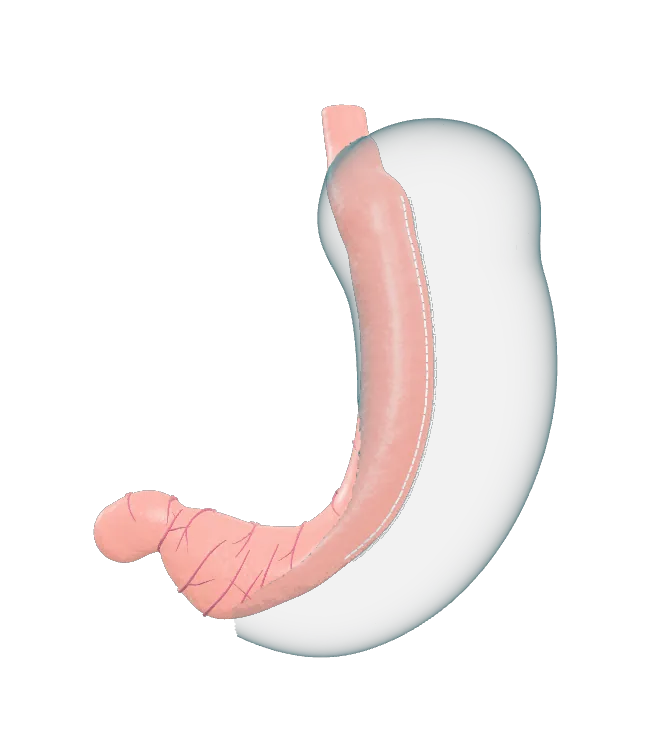 The 3D procedure labFive procedures, step by step. Turn the model, switch on x-ray and follow the path food takes.Open the 3D lab
Tools and guides
Six short videos, about 11 minutes in all: a walk through the clinic, the sleeve step by step and answers to common questions.
Watch the videos Clinic 360 on YouTubeFrom the blog
Surgeons
 Dr. Kashif IrshadBariatric surgeon
 Dr. Ali HazratiBariatric surgeon
 Dr. Gary GammeBariatric and endoscopic surgeon
 Dr. Adam SchofieldUpper GI and bariatric surgeon
Care team
 Yolanda AlbinoSurgical Care Nurse
 Natalie BeanClinical Nutrition Specialist
 Sharmaine LopezPatient Care Coordinator
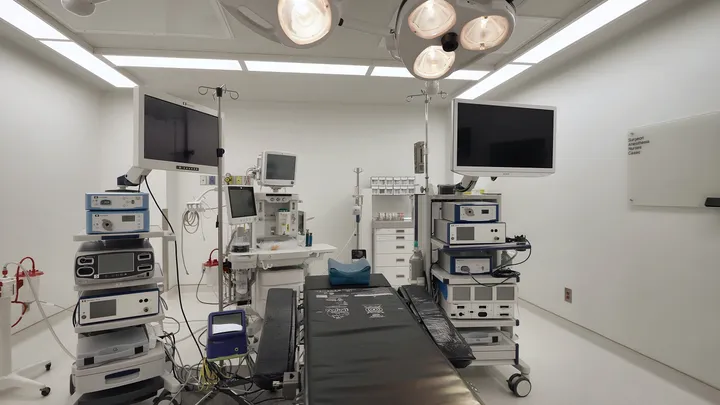 Our surgical facilityTwo operating rooms, 10 recovery beds, 1131A Leslie St #300, Toronto, ON M3C 3L8Take the virtual tour
What long-term trials found about blood sugar after a gastric sleeve, what diabetes remission means, why results vary, and how your diabetes care changes before and after surgery.
Published March 15, 2026

In short
If you live with type 2 diabetes, a gastric sleeve may affect more than your weight. Many people hope it will lower their blood sugar, or let them cut back on medicines. Here is what long-term studies show, in plain language, including what they do not show.
Extra body fat makes it harder for insulin to do its job, so blood sugar rises. Losing a large amount of weight can help insulin work better again. After a sleeve, people eat much less and lose weight, and for many of them, blood sugar improves.
Canadian guidelines say bariatric surgery, together with medical care, can control type 2 diabetes better than medical care alone. They also say surgery should be considered for people with a BMI of 30 to 35 whose type 2 diabetes stays poorly controlled even with good medical treatment.
Surgery also has downsides. In the same 12-year analysis, anemia, bone fractures and digestive problems were more common after surgery.
Remission means your blood sugar stays below the diabetes range without diabetes medicines. It is not the same as a cure. Canadian guidelines note that the effect of surgery on blood sugar tends to fade over time for some people, and that diabetes can come back. That is why blood sugar checks continue for years after surgery.
Studies also suggest that remission is more likely when diabetes has been present for a shorter time and when the starting BMI is higher. Your surgeon can talk through what this may mean for you.
General information, not medical advice. Results and recovery differ from person to person; a surgeon assesses what applies to you at your consultation.
Ask our team at a free consultation, in person in North York or online.
A free consultation, in person in North York or online. Meet the team, ask anything and leave with a clear plan and price.
(416) 360-7360 sleeve@clinic360.com 1131A Leslie St #300, Toronto, ON M3C 3L8
Hi, I am the 360 Sleeve assistant. I answer from the clinic's own information: procedures, prices, financing, recovery, aftercare and visits. What would you like to know?
Automated answers, not medical advice.
1131A Leslie St #300, Toronto, ON M3C 3L8. Monday to Friday, 9 am to 5 pm.
A patient care coordinator will call you to confirm. If it is urgent, call (416) 360-7360.
1131A Leslie St #300, Toronto, ON M3C 3L8. Monday to Friday, 9 am to 5 pm.