Fig. 1
Gastric sleeve
Home the same day, for most
Home the same day, for most
Reflux or type 2 diabetes
Higher BMI or type 2 diabetes
No incisions
TORe price; other revisions are priced after a review
After an earlier procedure
360 Complete Care
Six years of aftercare come with every sleeve.
Eating after surgery
Your 6-year plan
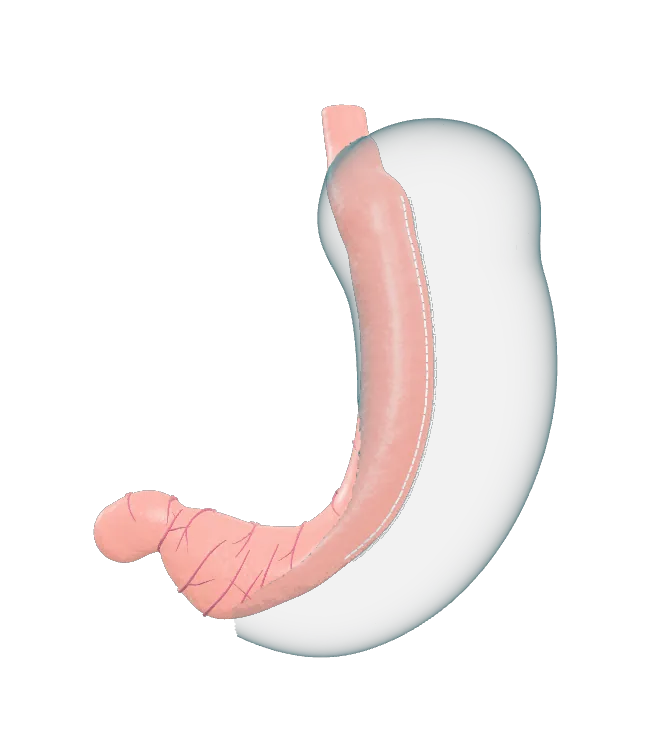 The 3D procedure labFive procedures, step by step. Turn the model, switch on x-ray and follow the path food takes.Open the 3D lab
Tools and guides
Six short videos, about 11 minutes in all: a walk through the clinic, the sleeve step by step and answers to common questions.
Watch the videos Clinic 360 on YouTubePatient journey New
From the blog
Surgeons
 Dr. Kashif IrshadBariatric surgeon
 Dr. Ali HazratiBariatric surgeon
 Dr. Gary GammeBariatric and endoscopic surgeon
 Dr. Adam SchofieldUpper GI and bariatric surgeon
Care team
 Yolanda AlbinoSurgical Care Nurse
 Natalie BeanClinical Nutrition Specialist
 Sharmaine LopezPatient Care Coordinator
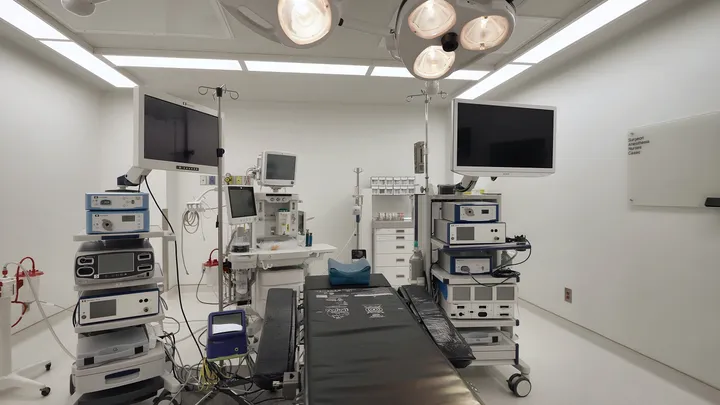 Our surgical facilityTwo operating rooms, 10 recovery beds, 1131A Leslie St #300, Toronto, ON M3C 3L8Take the virtual tour
Yes, in many cases. Why gastric bands often stop working, how a band is converted to a sleeve, what to expect from a revision, and what to bring to your consultation.
Published June 17, 2026

In short
The adjustable gastric band, often called the lap band, was a common weight-loss operation in the 2000s. Many people who had one have since found that it stopped working, or caused problems. If that is you, you may wonder whether another operation is still possible. In many cases, the answer is yes.
A band is a silicone ring placed around the top of the stomach, creating a small pouch above it. A thin tube connects the band to a small port under the skin, so it can be tightened or loosened with fluid. The aim is to make you feel full with less food.
The risk of problems around the time of band surgery is low. Over the years, though, many people have trouble with their band:
In a long-term study from Belgium, about 60% of people needed another operation 12 or more years after their band, and nearly half had the band removed. A large US study found that people had lost on average about 12% of their starting weight five years after a band, compared with about 19% after a sleeve.
Canadian guidelines now suggest that bands not be offered, because of their long-term complications and results. In the US, bands make up well under 1% of bariatric operations today. In line with these guidelines, 360 Sleeve does not recommend a gastric band.
In a conversion, the surgeon removes the band and its port, frees the scar tissue around the stomach, and makes a sleeve. It is usually done laparoscopically, through small incisions.
Often the band comes out and the sleeve is made in the same operation. Sometimes, for example when the stomach wall around the band is inflamed or damaged, the band is removed first and the sleeve is made a few months later. A review of studies found similar safety for the one-step and two-step approaches when each was chosen carefully. Your surgeon explains which suits you.
Removing a band on its own, without another procedure, often leads to weight coming back. That is one reason many people choose a conversion.
A sleeve is not the only choice after a band. Some people are better suited to SADI-S or a gastric bypass, for example if they have significant reflux or type 2 diabetes. Your surgeon goes through the options that fit your history, including the ones we do not offer.
General information, not medical advice. Results and recovery differ from person to person; a surgeon assesses what applies to you at your consultation.
Ask our team at a free consultation, in person in North York or online.
A free consultation, in person in North York or online. Meet the team, ask anything and leave with a clear plan and price.
(416) 360-7360 sleeve@clinic360.com 1131A Leslie St #300, Toronto, ON M3C 3L8
Hi, I am the 360 Sleeve assistant. I answer from the clinic's own information: procedures, prices, financing, recovery, aftercare and visits. What would you like to know?
Automated answers, not medical advice.
1131A Leslie St #300, Toronto, ON M3C 3L8. Monday to Friday, 9 am to 5 pm.
A patient care coordinator will call you to confirm. If it is urgent, call (416) 360-7360.
1131A Leslie St #300, Toronto, ON M3C 3L8. Monday to Friday, 9 am to 5 pm.