Fig. 1
Gastric sleeve
Home the same day, for most
Reflux or type 2 diabetes
Higher BMI or type 2 diabetes
No incisions
TORe price; other revisions are priced after a review
After an earlier procedure
360 Complete Care
Six years of aftercare come with every sleeve.
Eating after surgery
Your 6-year plan
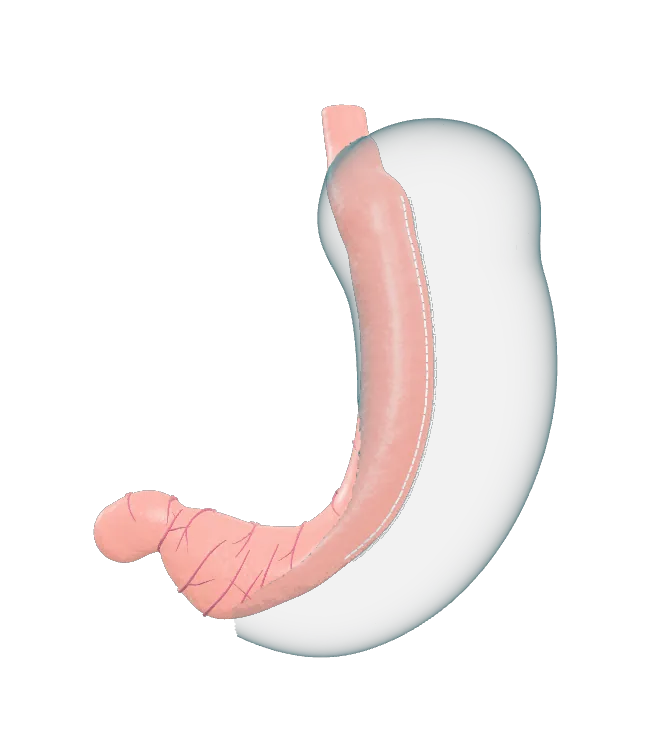 The 3D procedure labFive procedures, step by step. Turn the model, switch on x-ray and follow the path food takes.Open the 3D lab
Tools and guides
Six short videos, about 11 minutes in all: a walk through the clinic, the sleeve step by step and answers to common questions.
Watch the videos Clinic 360 on YouTubeFrom the blog
Surgeons
 Dr. Kashif IrshadBariatric surgeon
 Dr. Ali HazratiBariatric surgeon
 Dr. Gary GammeBariatric and endoscopic surgeon
 Dr. Adam SchofieldUpper GI and bariatric surgeon
Care team
 Yolanda AlbinoSurgical Care Nurse
 Natalie BeanClinical Nutrition Specialist
 Melody HajipourRegistered Dietitian
 Fonda ZettlerEmotional Support Specialist
 Sharmaine LopezPatient Care Coordinator
 Courtnie ChaplainClinic Manager
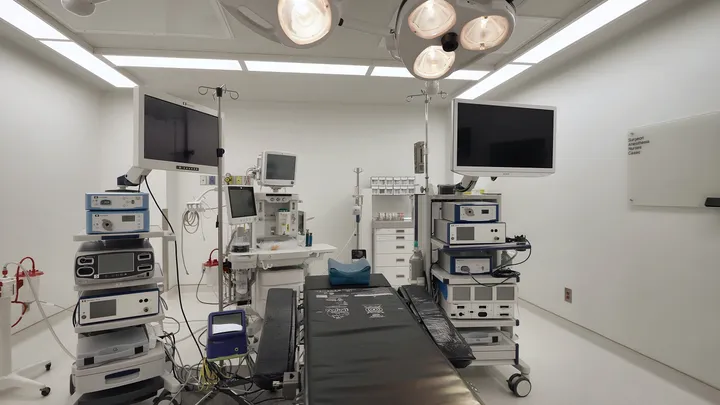 Our surgical facilityTwo operating rooms, 10 recovery beds, 1131A Leslie St #300, Toronto, ON M3C 3L8Take the virtual tour
Patient journey New
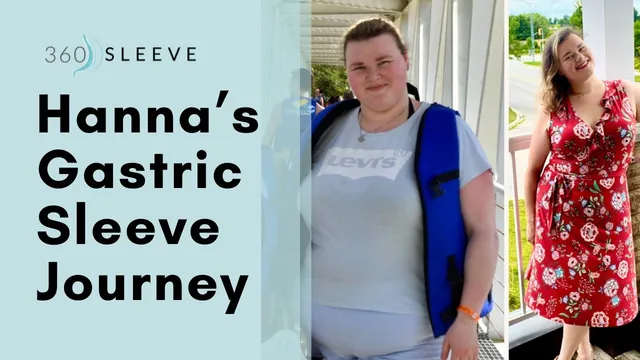
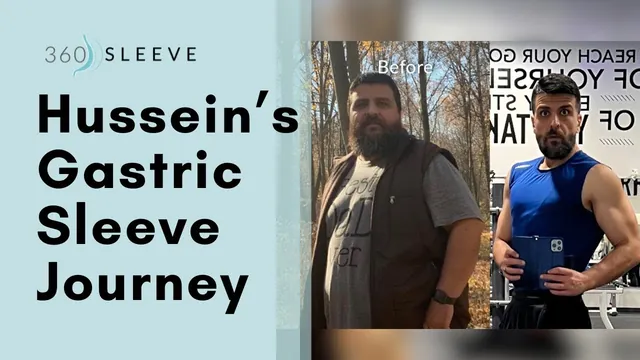
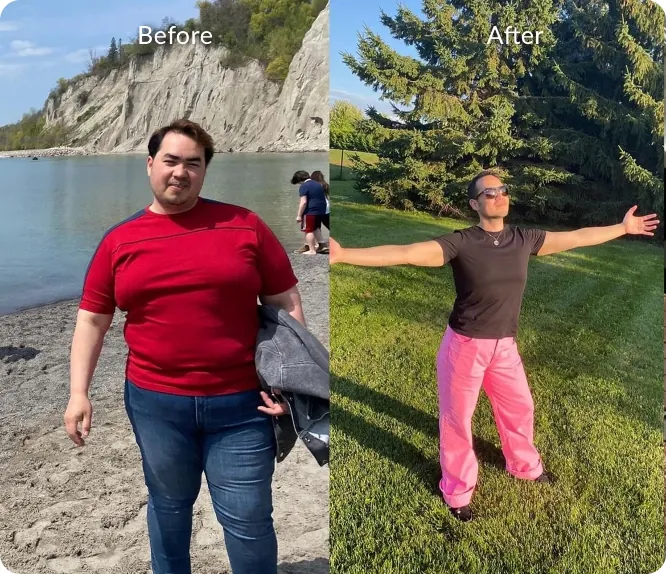
Six patients of 360 Sleeve share their journeys to a gastric sleeve, five of them on video. Watch, read, and find the one closest to yours.
All patient journeys Before and after photosDumping is less common after a sleeve than after a gastric bypass, but it can happen. What it feels like, why it happens, and the eating changes that are the first step.
Published February 10, 2026

In short
Dumping syndrome is often linked with gastric bypass, so many people are surprised to hear it can happen after a sleeve too. Knowing the signs helps you spot it early, and the first steps are changes to how you eat.
Dumping happens when food moves from your stomach into your small intestine too quickly. Your gut releases more hormones than usual, and fluid moves from your bloodstream into your intestine. This can cause a mix of stomach and whole-body symptoms.
Doctors describe two types, early and late. Some people have both.
Early dumping usually starts within the first hour after eating, often within 30 minutes. It can bring:
Late dumping usually comes 1 to 3 hours after eating, often after sugary or starchy food. Your body releases too much insulin, and your blood sugar drops. It can bring sweating, shakiness, hunger, a racing heart, irritability, confusion or fainting.
Yes. After a sleeve, food and drinks can leave the stomach faster than before. In one study, half of a liquid meal left a sleeve stomach in about 14 minutes on average, compared with about 35 minutes in people who had not had surgery.
In small studies where people had a sugary test drink in the months after a sleeve, about a quarter to a third had signs of dumping. A 2023 review found that dumping is more common after a gastric bypass than after a sleeve.
An international expert consensus agrees that changing how you eat is the first step. These habits help:
Milk and other dairy can be a trigger for some people. If dairy seems to bother you, mention it to your dietitian. If changes to eating are not enough, your doctor can look at other options, including medicine.
Some people see early dumping as a warning that helps them avoid sweets. But a 2023 review found no clear link between dumping and how much weight people lose, and late dumping can lead people to eat more overall. Current research does not show that dumping is needed for weight loss after surgery, so it is worth managing.
Your care team looks at what applies to you and helps you adjust your eating plan.
General information, not medical advice. Results and recovery differ from person to person; a surgeon assesses what applies to you at your consultation.
Ask our team at a free consultation, in person in North York or online.
A free consultation, in person in North York or online. Meet the team, ask anything and leave with a clear plan and price.
(416) 360-7360 sleeve@clinic360.com 1131A Leslie St #300, Toronto, ON M3C 3L8
Hi, I am the 360 Sleeve assistant. I answer from the clinic's own information: procedures, prices, financing, recovery, aftercare and visits. What would you like to know?
Automated answers, not medical advice.
1131A Leslie St #300, Toronto, ON M3C 3L8. Monday to Friday, 9 am to 5 pm.
A patient care coordinator will call you to confirm. If it is urgent, call (416) 360-7360.
1131A Leslie St #300, Toronto, ON M3C 3L8. Monday to Friday, 9 am to 5 pm.