Fig. 1
Gastric sleeve
Home the same day, for most
Home the same day, for most
Reflux or type 2 diabetes
Higher BMI or type 2 diabetes
No incisions
TORe price; other revisions are priced after a review
After an earlier procedure
360 Complete Care
Six years of aftercare come with every sleeve.
Eating after surgery
Your 6-year plan
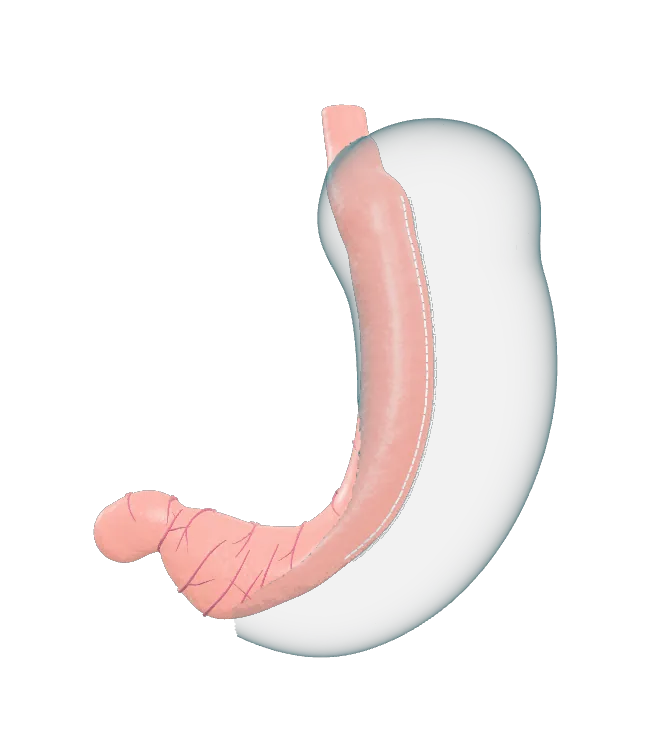 The 3D procedure labFive procedures, step by step. Turn the model, switch on x-ray and follow the path food takes.Open the 3D lab
Tools and guides
Six short videos, about 11 minutes in all: a walk through the clinic, the sleeve step by step and answers to common questions.
Watch the videos Clinic 360 on YouTubePatient journey New
From the blog
Surgeons
 Dr. Kashif IrshadBariatric surgeon
 Dr. Ali HazratiBariatric surgeon
 Dr. Gary GammeBariatric and endoscopic surgeon
 Dr. Adam SchofieldUpper GI and bariatric surgeon
Care team
 Yolanda AlbinoSurgical Care Nurse
 Natalie BeanClinical Nutrition Specialist
 Sharmaine LopezPatient Care Coordinator
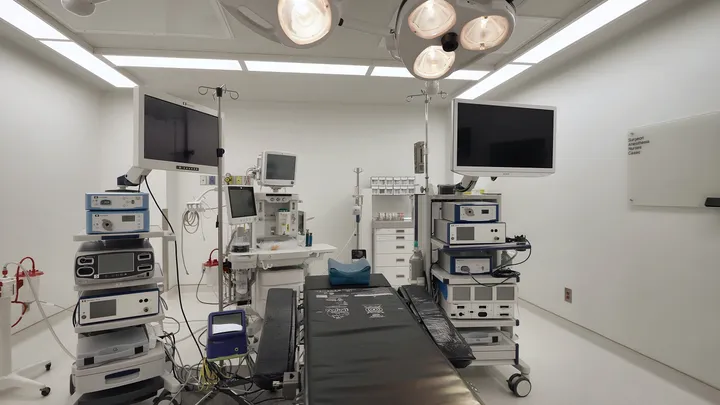 Our surgical facilityTwo operating rooms, 10 recovery beds, 1131A Leslie St #300, Toronto, ON M3C 3L8Take the virtual tour
"My stomach will stretch back." It is one of the most common worries after a sleeve. Three myths, what studies actually show, and five habits that help for the long term.
Published November 5, 2026

In short
About 80% of the stomach is removed in a sleeve, including its stretchy upper part. What is left is a narrow tube that holds much less. Still, many people worry it will simply stretch back. Here is what is true, and what is not.
Not true. Like any stomach, the sleeve is made to expand a little when you eat, and studies that measured it with imaging found that its volume can increase over time, mostly in the first years. In one small study, it held about 110 mL a few days after surgery and about 250 mL two years later. That is still a fraction of a typical adult stomach, which can hold a litre or more.
An occasional larger meal is uncomfortable, and it is a good reason to slow down next time. It does not undo your surgery. What makes a difference is the pattern over months: large portions eaten often, grazing through the day and drinking with meals make it harder to notice fullness and easier to eat more over time.
In the first weeks you eat tiny amounts while your stomach heals. As you move to regular foods, portions grow a little. That is expected. If your portions keep growing, or your weight starts to rise, talk to your dietitian. A check-in can reset portions and routines.
The shape of the sleeve is set in surgery. Surgeons size it along a guide tube, called a bougie, and staple beside it, aiming for a narrow, even sleeve. Reviews of many studies have looked at how bougie size relates to leaks and to weight loss. Your surgeon can explain the approach they use and why.
General information, not medical advice. Results and recovery differ from person to person; a surgeon assesses what applies to you at your consultation.
Ask our team at a free consultation, in person in North York or online.
A free consultation, in person in North York or online. Meet the team, ask anything and leave with a clear plan and price.
(416) 360-7360 sleeve@clinic360.com 1131A Leslie St #300, Toronto, ON M3C 3L8
Hi, I am the 360 Sleeve assistant. I answer from the clinic's own information: procedures, prices, financing, recovery, aftercare and visits. What would you like to know?
Automated answers, not medical advice.
1131A Leslie St #300, Toronto, ON M3C 3L8. Monday to Friday, 9 am to 5 pm.
A patient care coordinator will call you to confirm. If it is urgent, call (416) 360-7360.
1131A Leslie St #300, Toronto, ON M3C 3L8. Monday to Friday, 9 am to 5 pm.

