Fig. 1
Gastric sleeve
Home the same day, for most
Home the same day, for most
Reflux or type 2 diabetes
Higher BMI or type 2 diabetes
No incisions
TORe price; other revisions are priced after a review
After an earlier procedure
360 Complete Care
Six years of aftercare come with every sleeve.
Eating after surgery
Your 6-year plan
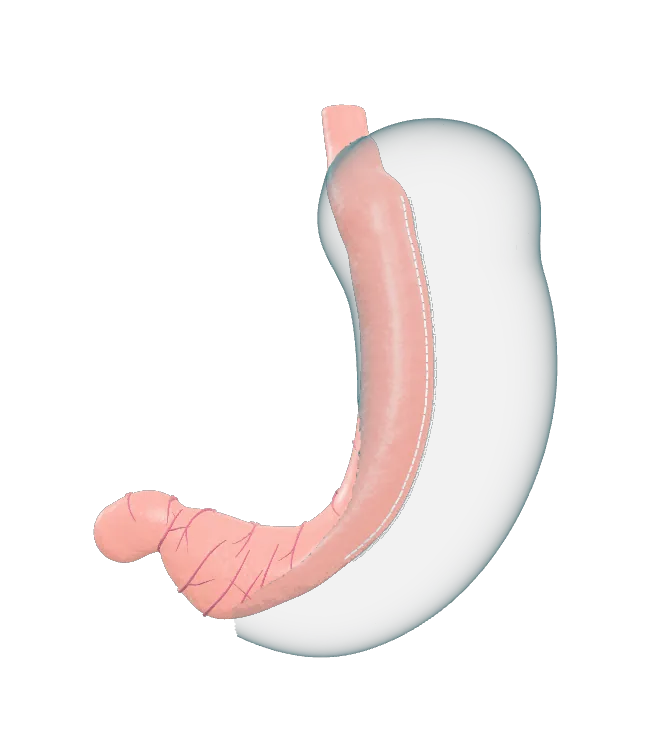 The 3D procedure labFive procedures, step by step. Turn the model, switch on x-ray and follow the path food takes.Open the 3D lab
Tools and guides
Six short videos, about 11 minutes in all: a walk through the clinic, the sleeve step by step and answers to common questions.
Watch the videos Clinic 360 on YouTubeFrom the blog
Surgeons
 Dr. Kashif IrshadBariatric surgeon
 Dr. Ali HazratiBariatric surgeon
 Dr. Gary GammeBariatric and endoscopic surgeon
 Dr. Adam SchofieldUpper GI and bariatric surgeon
Care team
 Yolanda AlbinoSurgical Care Nurse
 Natalie BeanClinical Nutrition Specialist
 Sharmaine LopezPatient Care Coordinator
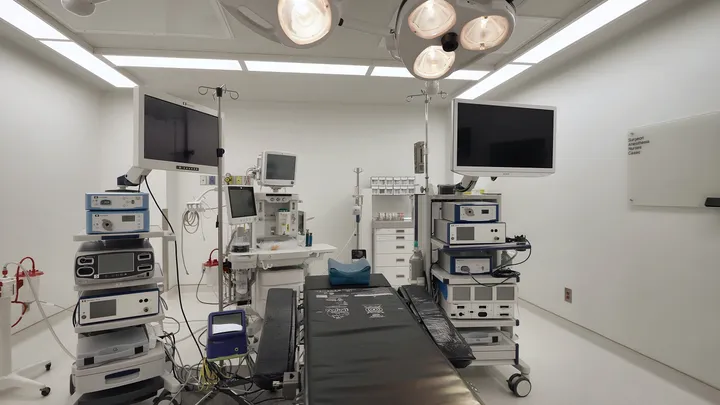 Our surgical facilityTwo operating rooms, 10 recovery beds, 1131A Leslie St #300, Toronto, ON M3C 3L8Take the virtual tour
Why protein matters so much after a sleeve, what guidelines recommend each day, and simple ways to reach your target when your portions are small.
Published April 7, 2026

In short
After a gastric sleeve, your portions are much smaller. Every bite counts, and protein is the part of your plate that needs the most attention. Here is why it matters, how much guidelines recommend, and how to reach your target from day to day.
Your body uses protein to heal after surgery and to build and repair tissue. Protein also helps you keep lean mass, such as muscle, while you lose weight. Lean mass supports your strength, how well you move and how much energy your body uses at rest.
When you do not get enough protein, it can show up as slow healing, hair loss, changes in your nails or feeling tired. Canadian guidelines list low protein among the possible causes of these changes after weight-loss surgery, together with low levels of some vitamins and minerals.
Guidelines give a range rather than one number for everyone:
In practice, that means some protein at every meal and at most snacks, every day.
Reaching your target takes planning, especially in the first months. Your stomach holds much less, your appetite may be low, and some foods may not sit well for a while. A 2021 review noted that close to half of people who have weight-loss surgery find it hard to follow protein recommendations.
This is common. Planning ahead helps, and your dietitian helps you adjust along the way.
Your dietitian tells you when to move from one stage to the next.
Your dietitian sets the target that is right for you and reviews it at your follow-ups. Six years of 360 Complete Care come with every sleeve, so you have support with this long after surgery.
General information, not medical advice. Results and recovery differ from person to person; a surgeon assesses what applies to you at your consultation.
Ask our team at a free consultation, in person in North York or online.
A free consultation, in person in North York or online. Meet the team, ask anything and leave with a clear plan and price.
(416) 360-7360 sleeve@clinic360.com 1131A Leslie St #300, Toronto, ON M3C 3L8
Hi, I am the 360 Sleeve assistant. I answer from the clinic's own information: procedures, prices, financing, recovery, aftercare and visits. What would you like to know?
Automated answers, not medical advice.
1131A Leslie St #300, Toronto, ON M3C 3L8. Monday to Friday, 9 am to 5 pm.
A patient care coordinator will call you to confirm. If it is urgent, call (416) 360-7360.
1131A Leslie St #300, Toronto, ON M3C 3L8. Monday to Friday, 9 am to 5 pm.