Fig. 1
Gastric sleeve
Home the same day, for most
Reflux or type 2 diabetes
Higher BMI or type 2 diabetes
No incisions
TORe price; other revisions are priced after a review
After an earlier procedure
360 Complete Care
Six years of aftercare come with every sleeve.
Eating after surgery
Your 6-year plan
 The 3D procedure labFive procedures, step by step. Turn the model, switch on x-ray and follow the path food takes.Open the 3D lab
Tools and guides
Six short videos, about 11 minutes in all: a walk through the clinic, the sleeve step by step and answers to common questions.
Watch the videos Clinic 360 on YouTubeFrom the blog
Surgeons
 Dr. Kashif IrshadBariatric surgeon
 Dr. Ali HazratiBariatric surgeon
 Dr. Gary GammeBariatric and endoscopic surgeon
 Dr. Adam SchofieldUpper GI and bariatric surgeon
Care team
 Yolanda AlbinoSurgical Care Nurse
 Natalie BeanClinical Nutrition Specialist
 Melody HajipourRegistered Dietitian
 Fonda ZettlerEmotional Support Specialist
 Sharmaine LopezPatient Care Coordinator
 Courtnie ChaplainClinic Manager
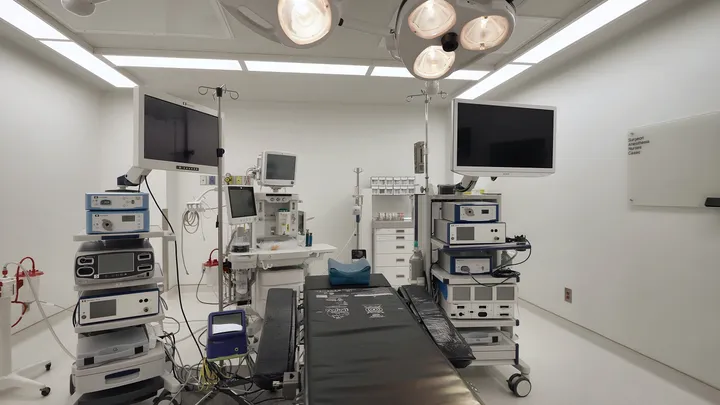 Our surgical facilityTwo operating rooms, 10 recovery beds, 1131A Leslie St #300, Toronto, ON M3C 3L8Take the virtual tour
Patient journey New
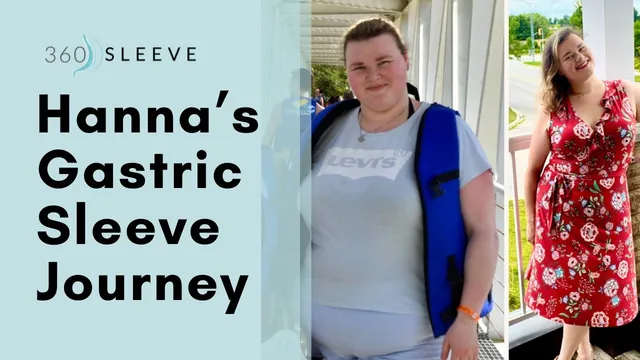
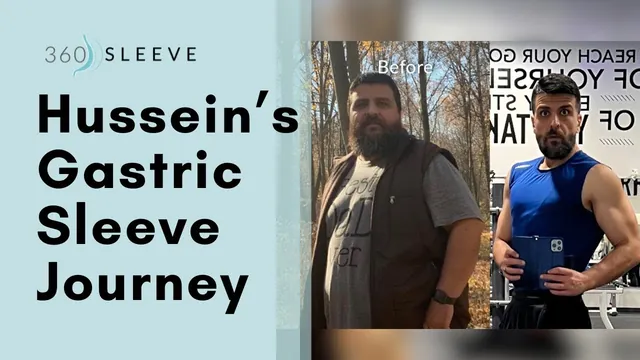
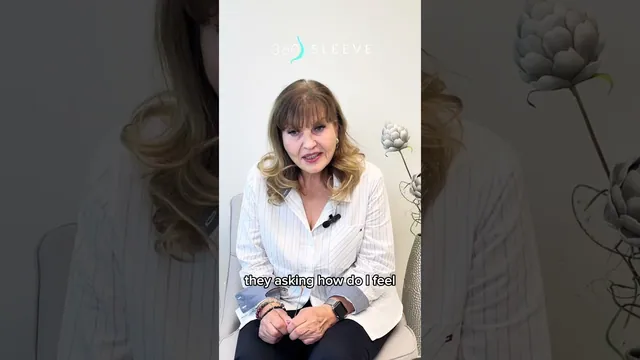
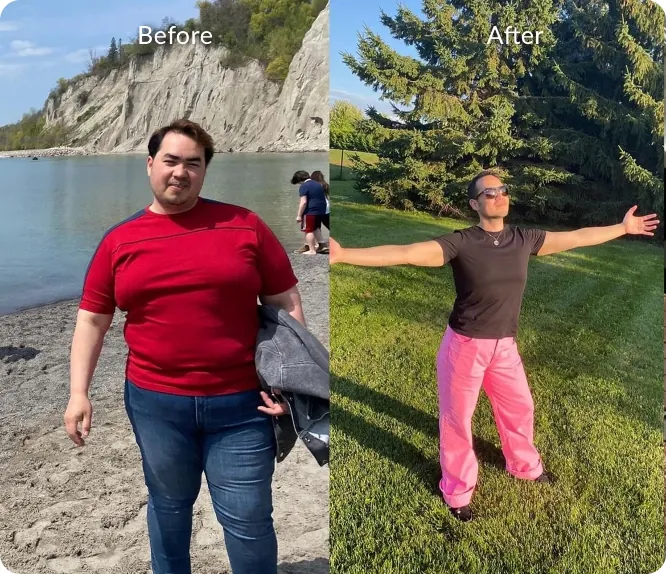
Six patients of 360 Sleeve share their journeys to a gastric sleeve, five of them on video. Watch, read, and find the one closest to yours.
All patient journeys Before and after photosHow patient financing works in general, the terms to understand before you sign, and how the interest rate and the length of a loan change what you pay in total.
Published January 7, 2026

In short
If you choose surgery at a private clinic, you pay for it yourself, and many people look at financing to spread the cost over time. A loan can make the cost easier to manage, as long as you understand what you are agreeing to. Here are the basics, in plain language. This is general information, not financial advice.
Patient financing is a personal loan for a medical cost. At 360 Sleeve, financing is offered on approved credit through outside lenders. The lender, not the clinic, reviews your application, decides whether to approve it and sets your rate. You then repay the lender in monthly payments over an agreed time. You can finance part or all of the price, or combine financing with paying directly.
Most lenders check your credit when you apply. Your credit report, your credit score and your other debts can affect which loans and rates you qualify for. Some lenders also report your payments to credit bureaus, which can affect your score.
A longer term means smaller monthly payments, but you pay interest for longer, so the total goes up. The Financial Consumer Agency of Canada gives this example for a $2,000 loan at 19.99% interest:
The same idea applies to any amount and any rate. Before you choose a term, look at the total you will pay, and pick a monthly payment that fits your budget with room to spare. You can try different terms with the example calculator on our price and financing page.
Federally regulated lenders, such as banks, must give you key information about a personal loan. Whoever your lender is, look for these points in writing, and ask about anything that is unclear:
Take the time to read and understand the terms and conditions before you sign.
A loan payment is one line in your budget. Other costs come later, such as daily vitamins, protein shakes in the first weeks, time off work, and travel if you live out of town. The Financial Consumer Agency of Canada suggests making a budget and building an emergency fund, which can help you avoid getting caught in a cycle of debt.
Other ways to lower your cost may include a workplace health spending account, if your plan offers one, and the federal medical expense tax credit. Check what your plan covers, keep your receipts and ask a tax professional.
At your free consultation, your coordinator walks you through the price and the ways to pay, so you can decide what works for you.
General information, not medical advice. Results and recovery differ from person to person; a surgeon assesses what applies to you at your consultation.
Ask our team at a free consultation, in person in North York or online.
A free consultation, in person in North York or online. Meet the team, ask anything and leave with a clear plan and price.
(416) 360-7360 sleeve@clinic360.com 1131A Leslie St #300, Toronto, ON M3C 3L8
Hi, I am the 360 Sleeve assistant. I answer from the clinic's own information: procedures, prices, financing, recovery, aftercare and visits. What would you like to know?
Automated answers, not medical advice.
1131A Leslie St #300, Toronto, ON M3C 3L8. Monday to Friday, 9 am to 5 pm.
A patient care coordinator will call you to confirm. If it is urgent, call (416) 360-7360.
1131A Leslie St #300, Toronto, ON M3C 3L8. Monday to Friday, 9 am to 5 pm.