Fig. 1
Gastric sleeve
Home the same day, for most
Home the same day, for most
Reflux or type 2 diabetes
Higher BMI or type 2 diabetes
No incisions
TORe price; other revisions are priced after a review
After an earlier procedure
360 Complete Care
Six years of aftercare come with every sleeve.
Eating after surgery
Your 6-year plan
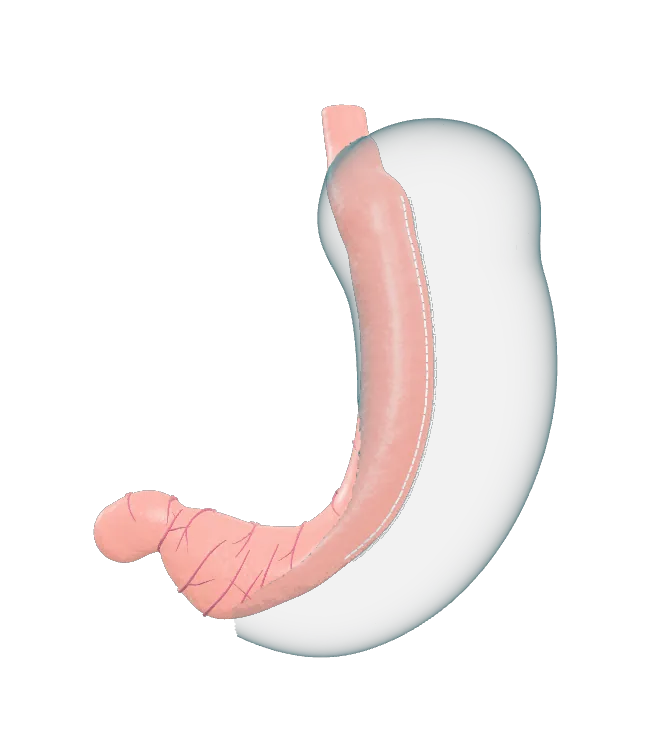 The 3D procedure labFive procedures, step by step. Turn the model, switch on x-ray and follow the path food takes.Open the 3D lab
Tools and guides
Six short videos, about 11 minutes in all: a walk through the clinic, the sleeve step by step and answers to common questions.
Watch the videos Clinic 360 on YouTubeFrom the blog
Surgeons
 Dr. Kashif IrshadBariatric surgeon
 Dr. Ali HazratiBariatric surgeon
 Dr. Gary GammeBariatric and endoscopic surgeon
 Dr. Adam SchofieldUpper GI and bariatric surgeon
Care team
 Yolanda AlbinoSurgical Care Nurse
 Natalie BeanClinical Nutrition Specialist
 Sharmaine LopezPatient Care Coordinator
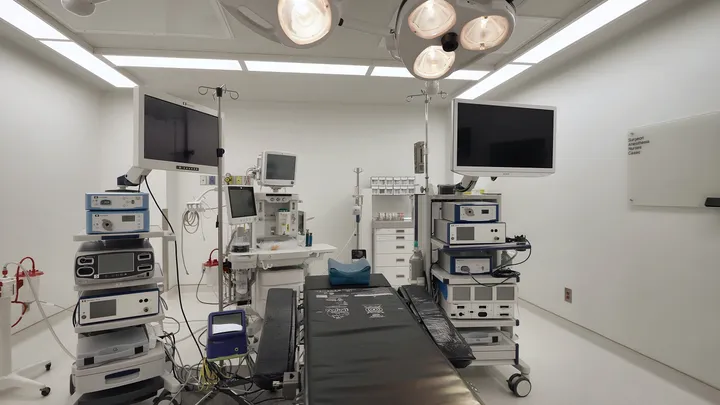 Our surgical facilityTwo operating rooms, 10 recovery beds, 1131A Leslie St #300, Toronto, ON M3C 3L8Take the virtual tour
How the Canada Revenue Agency's medical expense tax credit works, what generally qualifies and what does not, and why you should keep every receipt. General information, not tax advice.
Published September 14, 2026

In short
If you pay for surgery yourself, it is fair to ask whether any of it comes back at tax time. In Canada, eligible medical expenses can be claimed for a tax credit. This article explains the general rules from the Canada Revenue Agency (CRA). It is general information, not tax advice. Rules change and every situation is different, so check with the CRA or a tax professional.
The medical expense tax credit is a non-refundable tax credit. You can use it to reduce the tax you paid or may have to pay. You claim it on lines 33099 and 33199 of your return. Ontario and the other provinces and territories have a matching credit on your provincial or territorial form.
You do not claim everything you spent. For 2025, you claim your eligible expenses minus the lower of two amounts: 3% of your net income, or $2,834. The dollar amount can change from year to year, so check the current figure.
You can claim expenses paid in any 12-month period that ends in the tax year, as long as they were not claimed the year before. You can also claim for your spouse or common-law partner and your children under 18, and in some cases for other dependants. The CRA's guide shows that it can be worth comparing which partner should claim, because the 3% is based on the net income of the person who claims.
Working people with low incomes and high medical expenses may also qualify for the refundable medical expense supplement.
The CRA's list of common medical expenses does not name weight-loss surgery as its own item. It does list medical services from medical practitioners, such as doctors and specialists, and hospital services as eligible. Procedures done only for appearance are not eligible, unless they are needed for a medical or reconstructive purpose.
Weight-loss surgery is a medical treatment, done for health reasons, so its fees may count as medical services. Whether your own costs qualify, and how much they lower your tax, depends on your situation. Check with the CRA or a tax professional before you count on it.
These are examples from the CRA list. Some need a prescription or other proof.
You do not send receipts with your return, but you need to keep them in case the CRA asks to see them later. A receipt must show who was paid, and should also show what it was for, the date of payment and the patient's name. The CRA may also ask for proof of payment, such as a bank or credit card statement.
A simple folder for each year, on paper or on your computer, makes this easier: invoices, receipts, prescriptions and a note of any travel dates and distances. If you pay over time, the rules look at when amounts are paid, so ask a tax professional how this applies to you.
General information, not medical advice. Results and recovery differ from person to person; a surgeon assesses what applies to you at your consultation.
Ask our team at a free consultation, in person in North York or online.
A free consultation, in person in North York or online. Meet the team, ask anything and leave with a clear plan and price.
(416) 360-7360 sleeve@clinic360.com 1131A Leslie St #300, Toronto, ON M3C 3L8
Hi, I am the 360 Sleeve assistant. I answer from the clinic's own information: procedures, prices, financing, recovery, aftercare and visits. What would you like to know?
Automated answers, not medical advice.
1131A Leslie St #300, Toronto, ON M3C 3L8. Monday to Friday, 9 am to 5 pm.
A patient care coordinator will call you to confirm. If it is urgent, call (416) 360-7360.
1131A Leslie St #300, Toronto, ON M3C 3L8. Monday to Friday, 9 am to 5 pm.