Fig. 1
Gastric sleeve
Home the same day, for most
Reflux or type 2 diabetes
Higher BMI or type 2 diabetes
No incisions
TORe price; other revisions are priced after a review
After an earlier procedure
360 Complete Care
Six years of aftercare come with every sleeve.
Eating after surgery
Your 6-year plan
 The 3D procedure labFive procedures, step by step. Turn the model, switch on x-ray and follow the path food takes.Open the 3D lab
Tools and guides
Six short videos, about 11 minutes in all: a walk through the clinic, the sleeve step by step and answers to common questions.
Watch the videos Clinic 360 on YouTubeFrom the blog
Surgeons
 Dr. Kashif IrshadBariatric surgeon
 Dr. Ali HazratiBariatric surgeon
 Dr. Gary GammeBariatric and endoscopic surgeon
 Dr. Adam SchofieldUpper GI and bariatric surgeon
Care team
 Yolanda AlbinoSurgical Care Nurse
 Natalie BeanClinical Nutrition Specialist
 Melody HajipourRegistered Dietitian
 Fonda ZettlerEmotional Support Specialist
 Sharmaine LopezPatient Care Coordinator
 Courtnie ChaplainClinic Manager
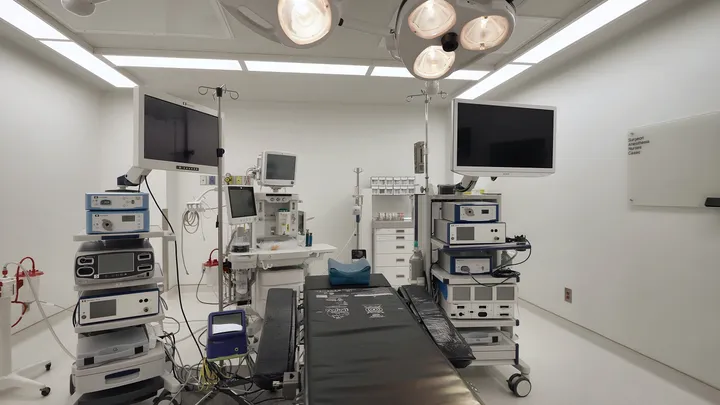 Our surgical facilityTwo operating rooms, 10 recovery beds, 1131A Leslie St #300, Toronto, ON M3C 3L8Take the virtual tour
Patient journey New
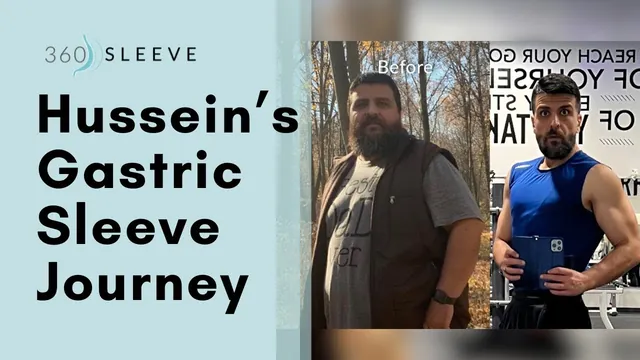
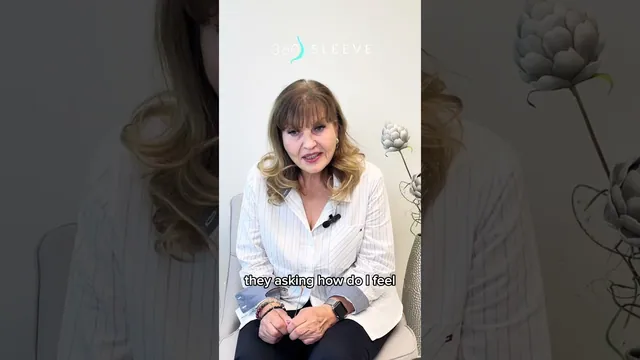
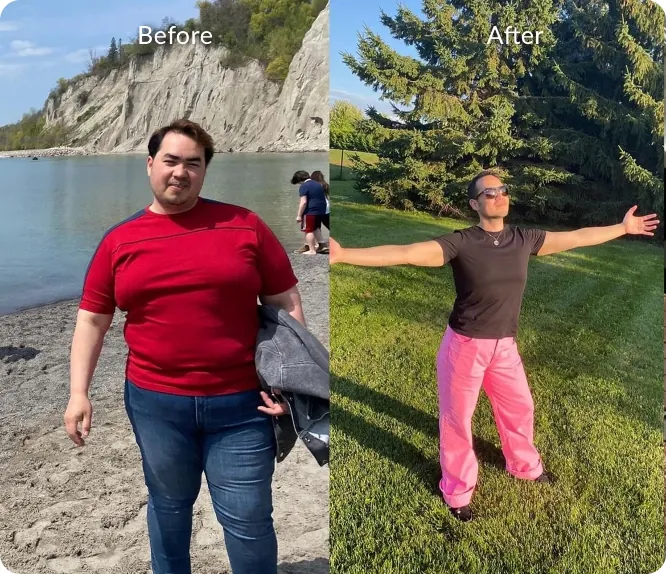
Six patients of 360 Sleeve share their journeys to a gastric sleeve, five of them on video. Watch, read, and find the one closest to yours.
All patient journeys Before and after photosIt depends on your plan. How group and individual plans work, which parts of your care a plan might help with, what to ask your insurer, and which documents to request and keep.
Published June 26, 2026

In short
If you have health insurance through work, or a plan you bought yourself, it is natural to ask whether it can help with the cost of a gastric sleeve. The honest answer is that it depends on your plan. This article explains the general picture in Canada, the questions to ask and the papers to collect. It is general information, not insurance, legal or tax advice.
Your provincial plan, such as OHIP in Ontario, pays for medically necessary hospital and doctor services. Private health insurance, often called extended or supplementary health coverage, pays for care outside of what the provincial plan covers. Surgery at a private clinic such as 360 Sleeve is not covered by OHIP.
Do not assume that a private plan pays for the surgery itself. Plans differ a lot. Some cover parts of your care, some may exclude it, and the only way to know is to ask.
Even if a plan does not pay for the surgery, it may help with parts of your care. Treat this as a list of things to ask about, not a promise:
Ontario's insurance regulator suggests reviewing the deductibles, co-insurance, maximums and premiums, so you know how much you would pay yourself, not only whether something is covered.
Call or write to your insurer. If your plan comes through work, ask your human resources team right away about anything that is unclear. Ask for the answers in writing.
If your insurer says no and you disagree, use its internal complaint process and ask for a letter with its final decision. After that, a free, independent ombudservice for life and health insurance can review your complaint, and you can also contact your provincial insurance regulator.
Medical expenses may qualify for the federal medical expense tax credit. You can claim only the part of an expense that was not paid back to you or to someone else, and premiums you pay for a private health plan can count too. Procedures done purely for cosmetic reasons do not qualify. Keep your receipts and ask your tax advisor what applies to you.
General information, not medical advice. Results and recovery differ from person to person; a surgeon assesses what applies to you at your consultation.
Ask our team at a free consultation, in person in North York or online.
A free consultation, in person in North York or online. Meet the team, ask anything and leave with a clear plan and price.
(416) 360-7360 sleeve@clinic360.com 1131A Leslie St #300, Toronto, ON M3C 3L8
Hi, I am the 360 Sleeve assistant. I answer from the clinic's own information: procedures, prices, financing, recovery, aftercare and visits. What would you like to know?
Automated answers, not medical advice.
1131A Leslie St #300, Toronto, ON M3C 3L8. Monday to Friday, 9 am to 5 pm.
A patient care coordinator will call you to confirm. If it is urgent, call (416) 360-7360.
1131A Leslie St #300, Toronto, ON M3C 3L8. Monday to Friday, 9 am to 5 pm.