Fig. 1
Gastric sleeve
Home the same day, for most
Home the same day, for most
Reflux or type 2 diabetes
Higher BMI or type 2 diabetes
No incisions
TORe price; other revisions are priced after a review
After an earlier procedure
360 Complete Care
Six years of aftercare come with every sleeve.
Eating after surgery
Your 6-year plan
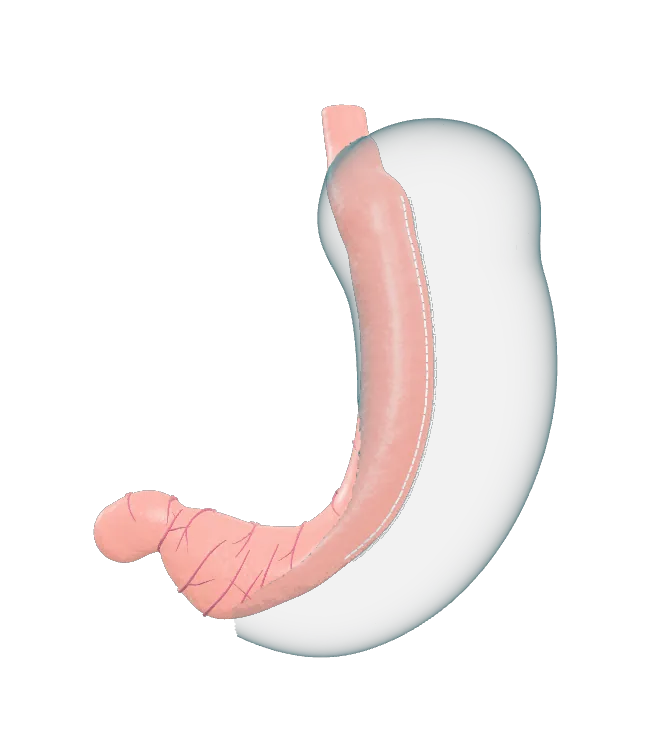 The 3D procedure labFive procedures, step by step. Turn the model, switch on x-ray and follow the path food takes.Open the 3D lab
Tools and guides
Six short videos, about 11 minutes in all: a walk through the clinic, the sleeve step by step and answers to common questions.
Watch the videos Clinic 360 on YouTubePatient journey New
From the blog
Surgeons
 Dr. Kashif IrshadBariatric surgeon
 Dr. Ali HazratiBariatric surgeon
 Dr. Gary GammeBariatric and endoscopic surgeon
 Dr. Adam SchofieldUpper GI and bariatric surgeon
Care team
 Yolanda AlbinoSurgical Care Nurse
 Natalie BeanClinical Nutrition Specialist
 Sharmaine LopezPatient Care Coordinator
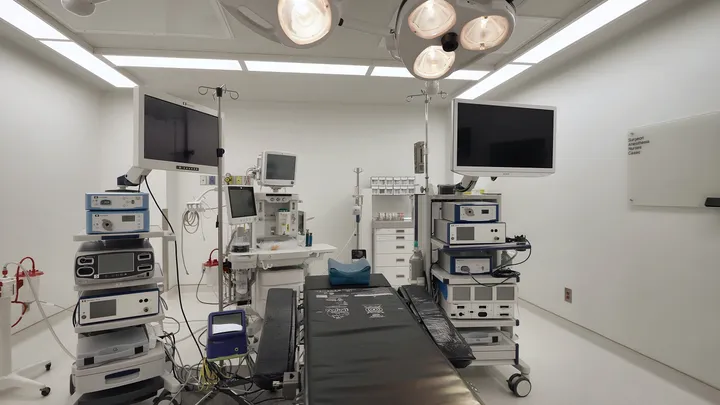 Our surgical facilityTwo operating rooms, 10 recovery beds, 1131A Leslie St #300, Toronto, ON M3C 3L8Take the virtual tour
How a gastric sleeve and a swallowable gastric balloon differ: how each works, how long it lasts, weight loss in studies, risks, follow-up and cost.
Published February 3, 2026

In short
If you are looking into weight-loss procedures, you may be comparing very different options. Two you may come across are the gastric sleeve, which is surgery, and a swallowable gastric balloon, a temporary device. Here is how they differ, so you can ask the right questions.
In a sleeve gastrectomy, a surgeon removes about 80% of the stomach through a few small incisions. The part that makes most of the hunger hormone ghrelin is removed, so many people feel full sooner and hungry less often. The change is permanent and cannot be reversed.
The balloon is folded inside a capsule attached to a thin tube. You swallow the capsule, and once an X-ray shows it is in the stomach, the balloon is filled with fluid through the tube, which is then removed. Placing it does not need surgery, endoscopy or anesthesia.
The balloon takes up space, so you feel full sooner. After about four months, a valve opens, the balloon empties and it passes out of the body naturally.
Swallowable balloons are licensed medical devices in Canada. They are meant for short-term weight loss in adults with a BMI of about 30 to 40, with a lifestyle program.
These numbers come from different studies and different people, so they are a guide, not a promise. With either option, the habits you build matter for keeping weight off.
Both work best with support. The balloon comes with a nutrition and coaching program, usually through an app and visits with the clinic that places it.
At 360 Sleeve, every sleeve comes with six years of 360 Complete Care: follow-ups with your surgeon, nurse and dietitian, bloodwork at 6 months and then every year, the 360 SmartTrack scale and app, and a place in 360 Community.
A gastric sleeve at 360 Sleeve is $13,900, with taxes included, and financing is available over 6 months to 6 years. Clinics that offer the balloon set their own prices, so ask what is included, such as follow-up, and what a second balloon would cost if you wanted one later. OHIP does not cover either at a private clinic.
It depends on your BMI, your health, your goals and how you feel about surgery. A balloon may suit someone who wants a short-term option without surgery. A sleeve is a permanent change for people who meet the criteria for surgery.
360 Sleeve does not offer gastric balloons. We offer the gastric sleeve, SADI-S, ESG and revision surgery. If you would rather avoid incisions, ESG makes the stomach smaller from the inside, with stitches placed through the mouth. At a free consultation, a surgeon can talk through which options fit your situation.
General information, not medical advice. Results and recovery differ from person to person; a surgeon assesses what applies to you at your consultation.
Ask our team at a free consultation, in person in North York or online.
A free consultation, in person in North York or online. Meet the team, ask anything and leave with a clear plan and price.
(416) 360-7360 sleeve@clinic360.com 1131A Leslie St #300, Toronto, ON M3C 3L8
Hi, I am the 360 Sleeve assistant. I answer from the clinic's own information: procedures, prices, financing, recovery, aftercare and visits. What would you like to know?
Automated answers, not medical advice.
1131A Leslie St #300, Toronto, ON M3C 3L8. Monday to Friday, 9 am to 5 pm.
A patient care coordinator will call you to confirm. If it is urgent, call (416) 360-7360.
1131A Leslie St #300, Toronto, ON M3C 3L8. Monday to Friday, 9 am to 5 pm.