Fig. 1
Gastric sleeve
Home the same day, for most
Home the same day, for most
Reflux or type 2 diabetes
Higher BMI or type 2 diabetes
No incisions
TORe price; other revisions are priced after a review
After an earlier procedure
360 Complete Care
Six years of aftercare come with every sleeve.
Eating after surgery
Your 6-year plan
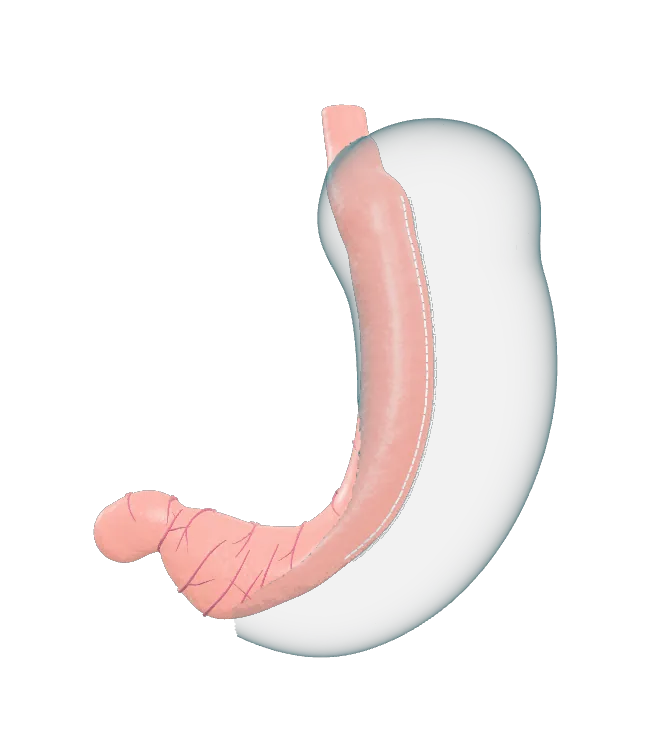 The 3D procedure labFive procedures, step by step. Turn the model, switch on x-ray and follow the path food takes.Open the 3D lab
Tools and guides
Six short videos, about 11 minutes in all: a walk through the clinic, the sleeve step by step and answers to common questions.
Watch the videos Clinic 360 on YouTubePatient journey New
From the blog
Surgeons
 Dr. Kashif IrshadBariatric surgeon
 Dr. Ali HazratiBariatric surgeon
 Dr. Gary GammeBariatric and endoscopic surgeon
 Dr. Adam SchofieldUpper GI and bariatric surgeon
Care team
 Yolanda AlbinoSurgical Care Nurse
 Natalie BeanClinical Nutrition Specialist
 Sharmaine LopezPatient Care Coordinator
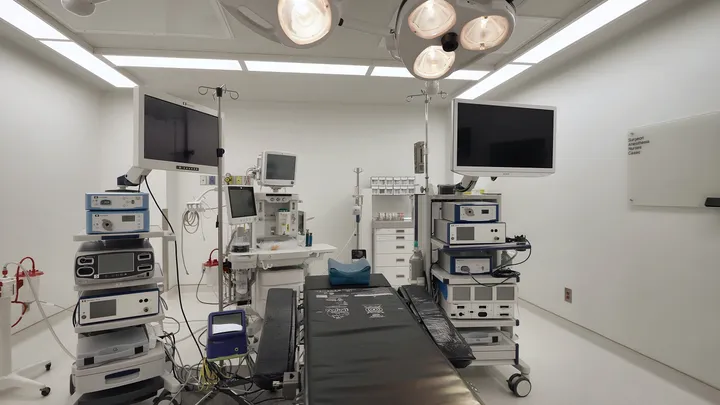 Our surgical facilityTwo operating rooms, 10 recovery beds, 1131A Leslie St #300, Toronto, ON M3C 3L8Take the virtual tour
What a staple-line leak is, how often it happens in large studies, the warning signs in the weeks after surgery, and what your surgical team does before, during and after.
Published September 4, 2026

In short
It is a worry many people have before a sleeve, and an honest answer helps more than a reassuring one. Yes, a gastric sleeve can leak. It is one of the most serious complications of the surgery, and it is uncommon. Here is what a leak is, how often it happens, what to watch for and what happens if one is suspected.
During a sleeve, the surgeon divides the stomach with a stapler that places rows of small titanium staples, and removes the outer part. A leak happens when the staple line does not heal fully and a small opening forms. Stomach fluid then escapes into the belly, which can cause an infection that needs treatment quickly.
Leaks are more common after a revision operation than after a first sleeve, and some health factors, such as a very high BMI, can raise the risk. Your surgeon talks with you about your own risk at your consultation.
Most leaks show up within the first few weeks after surgery, while the staple line heals, and often after you are already home. Less often, a leak appears later. Following the fluid and food stages closely gives the sleeve time to heal before it has to handle solid food.
This is a common fear. It is very unlikely that a healed sleeve splits open from eating. If you eat too much, you are more likely to feel pain, pressure or nausea, or to vomit. These are signals to stop, and to tell your team if they keep happening. A leak, when it happens, is usually a small opening during healing, not a sudden tear.
Call right away if you notice any of these in the weeks after surgery:
Your heart rate, temperature and blood tests are checked, and you usually have a CT scan. Treatment depends on the size of the leak and how you are doing.
Most leaks heal with treatment, although healing can take several weeks to a few months.
These steps are meant to lower the risk, but no technique removes it completely. Research has not shown that any single step, including staple-line reinforcement, prevents leaks on its own. That is why knowing the signs and calling early matter.
General information, not medical advice. Results and recovery differ from person to person; a surgeon assesses what applies to you at your consultation.
Ask our team at a free consultation, in person in North York or online.
A free consultation, in person in North York or online. Meet the team, ask anything and leave with a clear plan and price.
(416) 360-7360 sleeve@clinic360.com 1131A Leslie St #300, Toronto, ON M3C 3L8
Hi, I am the 360 Sleeve assistant. I answer from the clinic's own information: procedures, prices, financing, recovery, aftercare and visits. What would you like to know?
Automated answers, not medical advice.
1131A Leslie St #300, Toronto, ON M3C 3L8. Monday to Friday, 9 am to 5 pm.
A patient care coordinator will call you to confirm. If it is urgent, call (416) 360-7360.
1131A Leslie St #300, Toronto, ON M3C 3L8. Monday to Friday, 9 am to 5 pm.