Fig. 1
Gastric sleeve
Home the same day, for most
Home the same day, for most
Reflux or type 2 diabetes
Higher BMI or type 2 diabetes
No incisions
TORe price; other revisions are priced after a review
After an earlier procedure
360 Complete Care
Six years of aftercare come with every sleeve.
Eating after surgery
Your 6-year plan
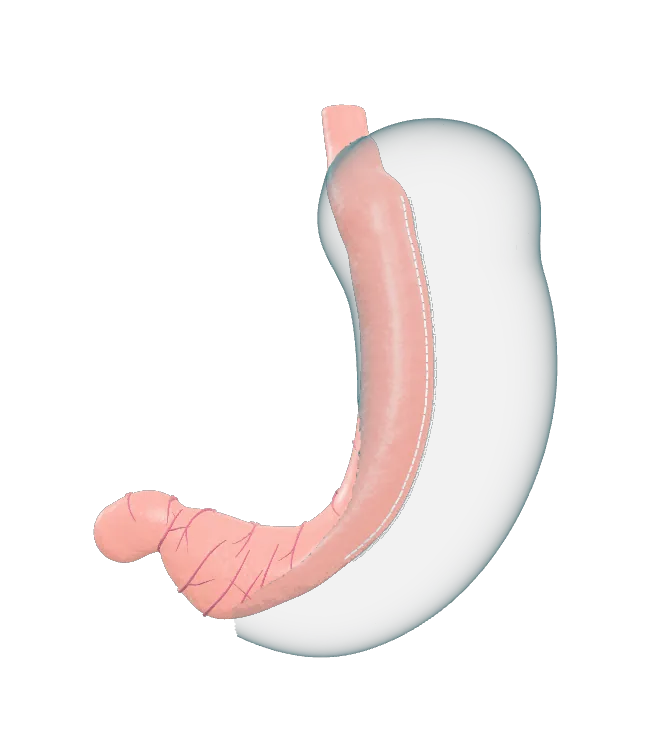 The 3D procedure labFive procedures, step by step. Turn the model, switch on x-ray and follow the path food takes.Open the 3D lab
Tools and guides
Six short videos, about 11 minutes in all: a walk through the clinic, the sleeve step by step and answers to common questions.
Watch the videos Clinic 360 on YouTubePatient journey New
From the blog
Surgeons
 Dr. Kashif IrshadBariatric surgeon
 Dr. Ali HazratiBariatric surgeon
 Dr. Gary GammeBariatric and endoscopic surgeon
 Dr. Adam SchofieldUpper GI and bariatric surgeon
Care team
 Yolanda AlbinoSurgical Care Nurse
 Natalie BeanClinical Nutrition Specialist
 Sharmaine LopezPatient Care Coordinator
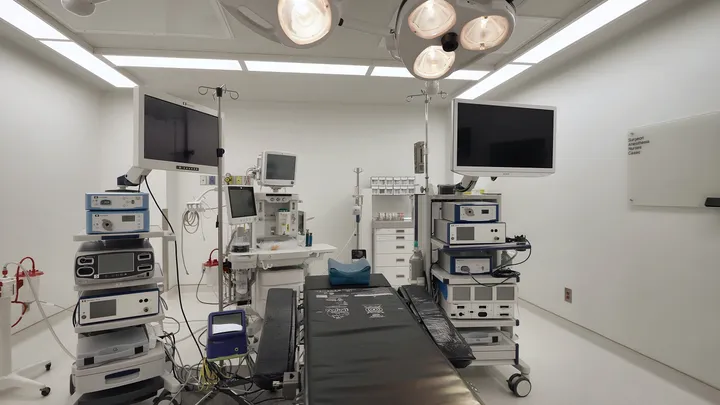 Our surgical facilityTwo operating rooms, 10 recovery beds, 1131A Leslie St #300, Toronto, ON M3C 3L8Take the virtual tour
Six simple ways to keep moving through a Canadian winter after a gastric sleeve, indoors and out, and how to stay warm, hydrated and safe while you do.
Published January 14, 2026

In short
Short days and cold weather make it easy to stay on the couch. After a gastric sleeve, though, regular movement is one of the habits that matters most, together with how you eat. It helps you keep muscle while you lose weight, lifts your mood and energy, and supports your heart and blood sugar.
The good news: winter gives you plenty of ways to move, indoors and out.
In the first weeks after surgery, walking is your main activity, and your care team tells you when to add more. Over time, Canadian guidelines suggest that adults build up to at least 150 minutes a week of moderate activity, such as brisk walking, plus muscle-strengthening activities at least twice a week.
Canadian guidelines for people after bariatric surgery suggest 150 to 300 minutes of activity a week in the long term. Every minute counts, and more can come later.
If you go outside, dress in layers: a base layer that pulls sweat away from your skin, a warm middle layer, and an outer layer that blocks wind and water. Take a layer off before you start to sweat, and put it back on when you stop. A hat, gloves, warm socks and a scarf over your nose make a big difference.
Many people feel colder in the months after a sleeve, so you may need one more layer than you used to. If your clothes get wet, change into dry ones as soon as you can.
It is easy to forget to drink in cold weather, because you may not feel thirsty. Bring a water bottle, or a thermos of warm herbal tea, and sip through your walk. Your daily goal is about 8 cups of fluids, or the amount your dietitian sets, in small sips between meals.
Winter is a good time to try an activity that feels more like play than a workout. Skating, snowshoeing, cross-country skiing or a walk on a trail after fresh snow all count. Many cities, Toronto among them, have outdoor rinks and winter trails. Start gently and pick easy routes until you know how your body feels.
On icy or very cold days, move your workout inside.
Some malls open their doors early for walkers, and many community centres have indoor tracks. It is warm, dry, flat and well lit. Bring a friend and it becomes a social hour too. Ask your local mall or city recreation centre what they offer.
Stairs are free exercise in every season. Take them instead of the elevator when you can, or climb a few flights during a break at work or at home. A few minutes at a time adds up over the day.
It is easier to keep going with company. 360 Community holds a Community Walk on the first Sunday of every month, and all paces are welcome. A friend, a walking group or a class can do the same for you.
General information, not medical advice. Results and recovery differ from person to person; a surgeon assesses what applies to you at your consultation.
Ask our team at a free consultation, in person in North York or online.
A free consultation, in person in North York or online. Meet the team, ask anything and leave with a clear plan and price.
(416) 360-7360 sleeve@clinic360.com 1131A Leslie St #300, Toronto, ON M3C 3L8
Hi, I am the 360 Sleeve assistant. I answer from the clinic's own information: procedures, prices, financing, recovery, aftercare and visits. What would you like to know?
Automated answers, not medical advice.
1131A Leslie St #300, Toronto, ON M3C 3L8. Monday to Friday, 9 am to 5 pm.
A patient care coordinator will call you to confirm. If it is urgent, call (416) 360-7360.
1131A Leslie St #300, Toronto, ON M3C 3L8. Monday to Friday, 9 am to 5 pm.